Choose a cutting board that fits your worktop, stays stable and can be cleaned with the method you will actually use. Material matters, but so do weight, size, drying space and the ability to separate raw animal foods from foods eaten without further cooking.
A large premium board can be a poor choice if you cannot carry it safely to the sink. A compact dishwasher-safe board can also be inconvenient if it is too small for routine chopping. Compare the entire workflow rather than selecting on appearance alone.
This guide explains how to make that choice. It does not claim that one board material automatically removes the need for cleaning or prevents all cross-contamination.
Start with your normal tasks
List what you cut most often: bread, vegetables, raw meat, large fruit or occasional cooked roasts. Note whether you need a juice groove, a lightweight board or a surface that stays in one place.
Think about who uses the kitchen. A heavy board may be difficult for someone with limited grip strength. A thin flexible mat may be easy to lift but require more attention to stability.
Do not buy a large set until you know which sizes and roles you need. Two clearly assigned boards can be easier to manage than six similar boards with no system.
Measure the working and washing space
Measure the clear counter section where you chop. Allow room for a knife, ingredients and safe hand movement around the board.
Measure the sink and dishwasher space if you plan to use them. Check the board’s care label rather than assuming a material is always dishwasher-safe.
Identify a drying location. A board that fits the counter but has to dry flat in a puddle is not a well-matched purchase.
Compare material choices
Wood can offer a substantial work surface and a pleasant cutting feel, but its construction and maintenance requirements vary. A laminated wooden board may have different dishwasher restrictions from a particular solid-wood product.
Plastic boards can be convenient for washing and separation, especially when the manufacturer approves dishwasher use. Their condition still matters: deep, hard-to-clean grooves are a reason to replace a board.
Bamboo and composite boards have their own properties and care instructions. Check knife-maker guidance if edge wear is an important concern.
Hard decorative surfaces such as glass or stone may be washable, but they can be a poor match for knife edges and control. Do not select a cutting surface solely because it looks easy to wipe.
Step-by-step selection method
1. Choose a useful everyday size
Picture your most common task on the board. A small onion or sandwich needs less space than a large cabbage or roast.
A board should provide enough room that food does not continually fall toward the counter edge. But increasing size beyond what you can handle safely is not an improvement.
If you need both compact and large work areas, choose two purposeful sizes instead of trying to make one board cover every possible task.
2. Check stability
Look for a board that sits flat on a suitable counter. Feet, a nonslip backing or an appropriate support arrangement can help, depending on the product.
A board that rocks is a problem even if it is made from an expensive material. Check whether feet are removable, cleanable and likely to fit your storage method.
Do not rely on pressing harder with the knife to stabilize the board. Safe control begins with a stable work surface.
3. Match cleaning to your habits
Read the care instructions before buying. If hand washing and drying are required, decide whether you have the time and space to do them consistently.
If dishwasher use is essential, choose a product explicitly approved for it and confirm it fits your machine without blocking the spray system.
Avoid buying a hand-wash-only board with the intention of trying the dishwasher later. A care requirement is part of the product choice, not an optional inconvenience.
4. Plan food separation
USDA recommends using a separate board for raw meat, poultry and seafood from the one used for produce and bread. Build an obvious household system around that principle.
Color, shape or a clear label can distinguish boards. Make the distinction understandable to everyone using the kitchen.
A second board does not eliminate the need to wash hands, knives and nearby surfaces. Separation is one part of food handling, not a substitute for the rest.
5. Evaluate weight and grip
Pick up the board safely if you can inspect it in person. Consider lifting it when wet, carrying food on it and washing both sides.
A handle or finger groove can help, but it should not create a hard-to-clean feature or make the board too narrow for normal cutting.
For a heavy board, plan to move chopped food with a suitable container or scraper instead of carrying the entire board every time.
6. Decide whether a juice groove helps
A groove can collect liquid during certain carving tasks, but it reduces some of the flat cutting area and needs cleaning.
For everyday vegetable preparation, an uninterrupted surface may be more convenient. For a board used with juicy foods, a suitable groove may be useful.
Do not treat the groove as leak-proof containment. Position the board and handle food so spills do not reach ready-to-eat ingredients.
7. Check storage fit
Measure the cabinet slot or drawer before purchasing. Include the board’s feet, handle and thickness.
Store boards so they can dry properly and do not trap moisture against another surface. A vertical arrangement needs stable support.
Avoid a place where the board rubs against dirty waste bins or cleaning tools. Kitchen storage location is part of maintaining a clean board.
8. Compare maintenance cost
Some wooden boards require periodic food-safe conditioning according to their makers. Others have different care instructions.
Include any required maintenance product and your time in the decision. A low purchase price is not the only cost, and an expensive board is not automatically easier to maintain.
Choose a board whose routine you can sustain. Consistent appropriate care matters more than an ideal routine you will rarely follow.
A practical two-board setup
One manageable board can serve bread, fruit and vegetables, while a clearly different board is assigned to raw animal foods. Each should fit its intended washing method.
Keep the boards visually distinct and store them dry. Make sure household members understand the assignments and know that both still require cleaning.
If your kitchen is very small, smaller well-chosen boards may be easier to clean and store than one oversized showpiece. Match the system to your actual space.
Inspect before the first use
Read the care label again and carry out the initial cleaning or conditioning the maker requires. Check for shipping damage, cracks, loose feet and sharp unfinished edges.
Test the board’s stability on your counter before bringing out a knife. If it moves, use the product’s approved stabilization method or choose a better-fitting board.
Keep packaging information until you are satisfied with fit and condition. It is easier to resolve a product issue before the label disappears into recycling.
Know when replacement is appropriate
All boards wear with use. Deep grooves that are difficult to clean, cracks, severe warping and unstable construction can make replacement necessary.
Do not hide damage beneath oil or a decorative mat and continue as though cleaning has solved it. Follow the maker’s repair or replacement guidance.
Evaluate condition rather than using a single replacement date for every household. A rarely used board and a heavily used one will not necessarily wear at the same rate.
Compare two candidates with the same checklist
For each board, record its dimensions, weight, cleaning method, storage position and intended food role. Then compare those practical facts rather than relying on a material label.
If one board wins on appearance but fails the washing-space check, look for a smaller size or another construction. If both work, choose the one whose handling and maintenance are more comfortable.
Keep the checklist brief enough to use in a shop. The purpose is to prevent an obvious mismatch, not to turn a basic kitchen purchase into a technical research project. A suitable everyday board should make routine preparation easier.
Frequently asked questions
Is wood or plastic always safer?
Neither removes the need for proper cleaning, separation and attention to condition. Choose a board you can care for correctly.
Can any wooden board go in the dishwasher?
No. Construction and manufacturer guidance matter. Many wooden boards require hand washing.
Is a larger board always better?
Only if it fits your work area, washing space, handling ability and storage.
Should I buy color-coded boards?
They can help if everyone understands the system. Labels or clearly different shapes can also work.
What matters most before buying?
Check size, stability, cleaning requirements and storage together. A board needs to work through the whole preparation-and-cleanup cycle.
Related guides
Sources
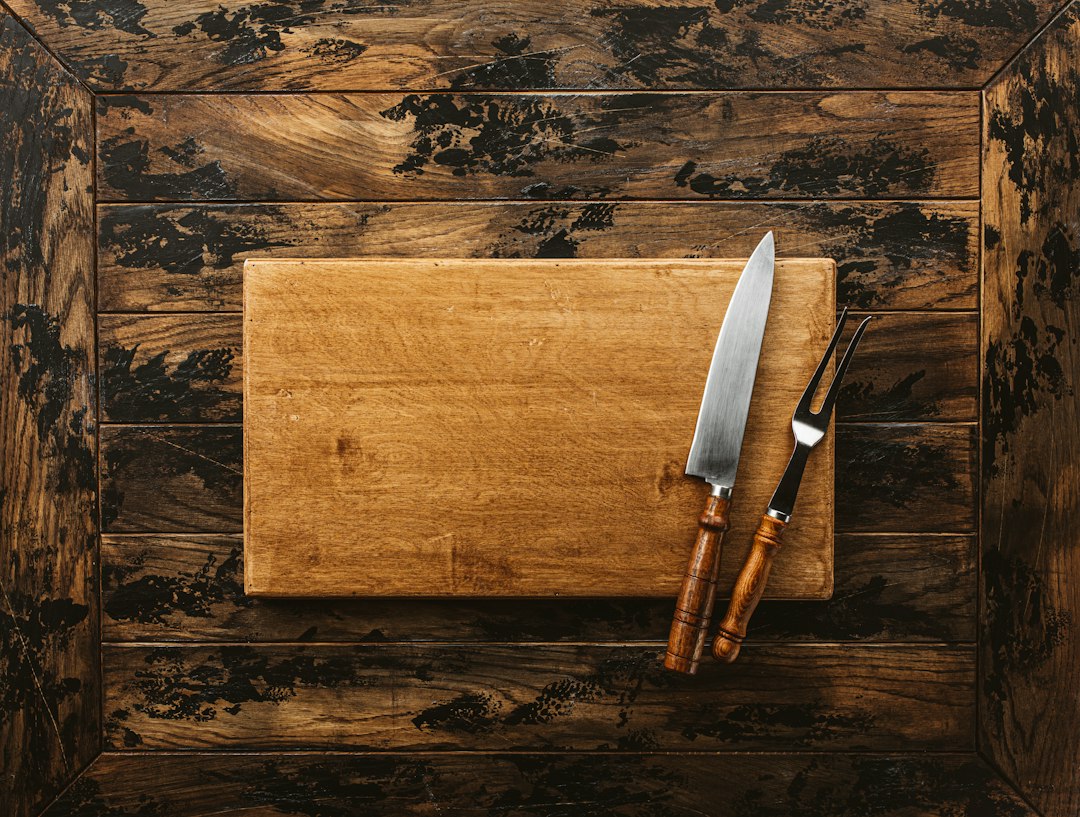
Illustrative photo: Sergey Kotenev / Unsplash. The photograph illustrates the topic; it is not a step-by-step demonstration.
Editorial note
Kitchen products and manufacturer instructions vary. When a product manual conflicts with general guidance, follow the instructions for your exact model.