Wash reusable grocery bags using the method on each bag’s care label, then let them dry completely before storing them. Keep bags used for raw meat, poultry and seafood separate from bags for produce or other ready-to-eat foods. Clean spills promptly rather than folding a dirty bag away.
Reusable bags include cotton totes, synthetic fabric bags, coated woven bags and insulated designs. They do not all tolerate the same water temperature, washing machine or dryer setting. A routine that respects the material is more reliable than treating every bag like a cotton towel.
This guide focuses on ordinary reusable shopping bags. If a bag cannot be cleaned adequately after a leak, is moldy or has damaged lining that traps contamination, replacement may be more appropriate than continued washing.
Sort bags before washing
Empty every pocket and remove receipts, crumbs and detachable inserts. Open the bag fully so you can inspect the inside, corners and handles.
Separate bags by material and care instructions. Keep bags used for raw animal products apart while you decide how to clean them.
Look for a label inside a seam or on the bottom. If it is missing, check the brand’s current instructions or use appropriate extension guidance for the material rather than guessing a hot machine cycle.
Gather supplies
Use the detergent or mild soap appropriate for the permitted method, clean water, a soft brush or cloth, and a drying area. Keep a tray for removable rigid bases.
Do not mix household cleaning chemicals. If a disinfectant is needed and compatible, follow its label, including any food-contact considerations and rinsing directions.
Prepare the workspace so a dirty bag does not sit on a clean food-preparation surface. Clean any surface that contacts leakage from raw food.
Step-by-step washing routine
1. Inspect for leaks and damage
Look into the corners and along the base. A bag can appear clean outside while retaining liquid underneath a removable insert.
Check seams, lining and handles. A torn seam may make the bag unreliable for carrying groceries even if it can still be washed.
If there is a significant raw-food leak, handle the bag separately and follow material-compatible cleaning guidance. Do not shake contaminated debris around the kitchen.
2. Remove loose debris carefully
Empty crumbs and packaging into the appropriate waste container. Turn out pockets if the design allows it.
For a clean dry fabric bag, gentle shaking over a suitable area may remove loose crumbs. For a bag with wet contamination, use controlled cleaning instead of dispersing droplets.
Do not use a kitchen food brush that will later return to vegetable preparation. Keep bag-cleaning equipment separate or clean it appropriately afterward.
3. Clean removable bases separately
Remove a stiff base insert if it is designed to come out. Identify its material before washing.
Some inserts may be plastic or fabric-covered; others can be damaged by soaking. Use the maker’s method and dry the insert fully before returning it.
Check the area beneath the insert. This is where a small leak can remain hidden even after the bag’s main interior has been wiped.
4. Machine-wash suitable fabric bags
For a bag labeled machine-washable, use the permitted cycle, detergent and temperature. Follow any instructions about turning it inside out or protecting handles.
Do not assume printed designs, reinforcement and attached insulation tolerate the same treatment as plain cotton. Read the whole label.
Keep the washing process consistent with the bag’s contamination and the applicable care guidance. A quick cosmetic refresh is different from cleaning a bag after a raw-food spill.
5. Hand-wash bags that require it
Use the appropriate mild soapy water and clean the inside, outside, seams and handles with controlled pressure. Pay attention to folds where food residue collects.
Rinse according to the material and product instructions. Do not leave a film of detergent inside a bag used to carry food.
Avoid soaking a bag with unknown stiffeners or glued layers. If the instructions are unclear, seek the maker’s advice or replace the bag with one that has a maintainable care routine.
6. Clean insulated bags according to their label
Open the lining and pockets as far as the design allows. Wipe or wash using the permitted method, taking care around seams and any electrical features if present.
Do not put an insulated bag in the washing machine or dryer unless its label allows it. Layers can trap moisture or be damaged by heat.
Inspect for cracks or peeling lining that prevents effective cleaning. An insulated bag also needs a suitable temperature-control plan during shopping; washing does not replace keeping perishable food cold.
7. Dry completely
Use the label-approved air-drying or dryer method. Open bags so air reaches the corners and base.
Check the handles, seams and pockets rather than judging only the broad outer surface. Those thicker areas can stay damp longer.
Do not stack or fold bags while they are still wet. Keep removable inserts out until both the insert and the bag are dry.
8. Restore the bag system
Return dry inserts, fold bags appropriately and sort them by role. Make the raw-food bag visibly distinct with a clear label or color choice.
Store them in a clean dry place. Extension guidance advises against leaving reusable grocery bags in a hot vehicle trunk as a routine storage solution.
Set aside any bag that still has contamination, a strong unexplained odor or damage preventing cleaning. Do not return it to the ready-to-shop pile simply to finish the task.
Plan separation during shopping
Use a dedicated bag for raw meat, poultry and seafood, with packages contained to reduce leaks. Keep produce and ready-to-eat foods in separate bags.
Do not use the same grocery bag for muddy shoes, gym clothes or rubbish and then return it to food shopping without appropriate cleaning.
Pack cleaning chemicals separately from food. Bag organization is useful only if the contents remain appropriately separated during transport and unloading.
At home, place bags where they will not contaminate a clean prep surface. Unload perishables promptly, then inspect the bags before putting them away.
A practical after-shopping sequence
Put perishable food into proper storage first. Next inspect bags for moisture and spills, remove inserts and sort anything needing cleaning.
Clean the affected bags using their permitted methods and leave them open to dry. Fold only the bags that are already clean and dry.
Keep a small label or storage divider for bags awaiting washing. That prevents someone from grabbing a dirty bag simply because it was folded beside the clean ones.
This routine is easier than discovering an old spill on the next shopping trip, when you are already leaving the house.
Choose bags that are easy to maintain
When replacing bags, read the care instructions before buying. Consider whether you can wash and dry the material with your household setup.
A washable bag with simple seams may be easier to maintain than a complex bag with inaccessible lining. Strength and comfortable handles matter too.
You do not need a large collection. A manageable set with clear roles is easier to inspect and clean than a cupboard full of unknown bags.
Troubleshooting common problems
If a bag remains damp, open it more fully and check thick seams. If odor remains after approved cleaning, inspect beneath inserts and inside pockets.
If a lining peels or traps liquid, replacement may be necessary. Do not cover the damage with another loose liner and assume the original bag is clean.
If the raw-food bag is repeatedly confused with another, simplify the label or choose a visibly different style. A system that relies on remembering a tiny mark is fragile.
Build the routine into the next shopping trip
Before leaving, choose enough clean dry bags for the categories on your shopping list. Include a clearly assigned bag for raw animal foods when buying them.
After unloading, return only inspected bags to the ready set. Put bags needing cleaning in a separate, obvious place so another person does not mistake them for clean stock.
If you often forget the bags, store the clean set near your shopping list or keys rather than in a damp utility area. Accessibility can support the habit without compromising the requirement to keep the bags clean and dry.
Frequently asked questions
Can every reusable bag go in the washing machine?
No. Follow the individual label, especially for coated or insulated designs.
Should I wash after a spill?
Clean spills promptly using a method appropriate to the material and contamination. Do not fold the bag away dirty.
Can I store bags in the car?
A clean dry indoor storage place is preferable to routine storage in a hot trunk. Keep the ready-to-shop set accessible.
Is a meat bag enough to prevent contamination?
It helps with separation, but you still need sound packaging, appropriate cleaning and safe food handling.
When should I replace a bag?
Replace it if damage, inaccessible contamination or a compromised lining prevents reliable cleaning or safe carrying.
Related guides
Sources
- Virginia Cooperative Extension: reusable grocery bag practices
- University of New Hampshire Extension: bag care
- Iowa State Extension: reusable bag care
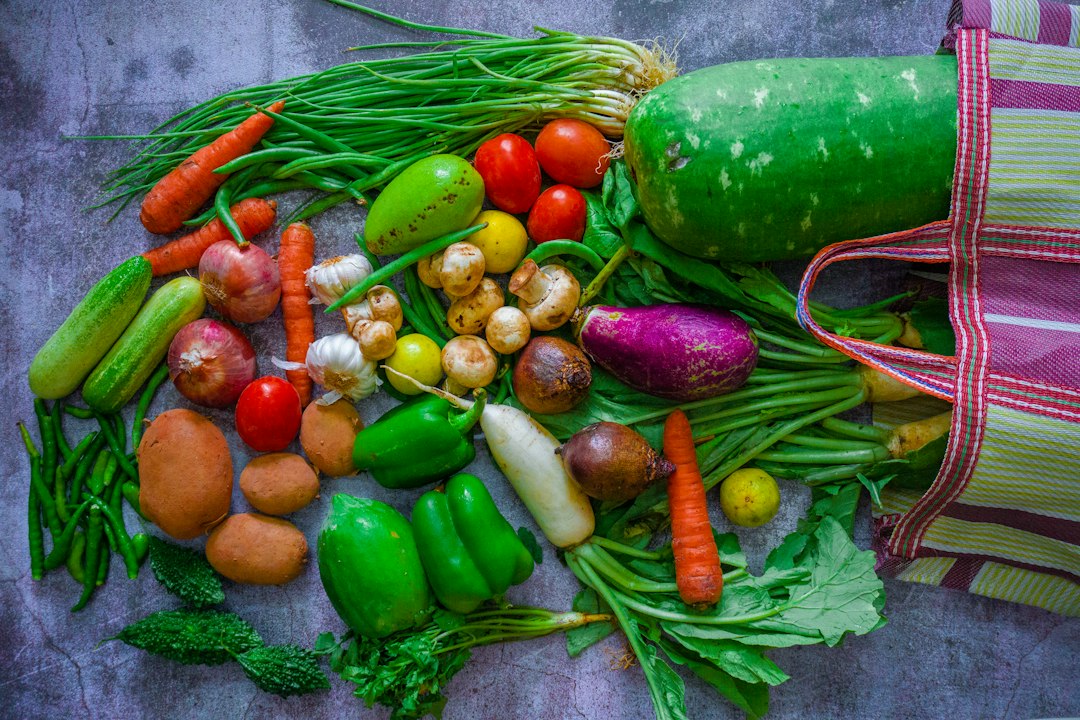
Illustrative photo: Ratul Ghosh / Unsplash. The photograph illustrates the topic; it is not a step-by-step demonstration.
Editorial note
Kitchen products and manufacturer instructions vary. When a product manual conflicts with general guidance, follow the instructions for your exact model.