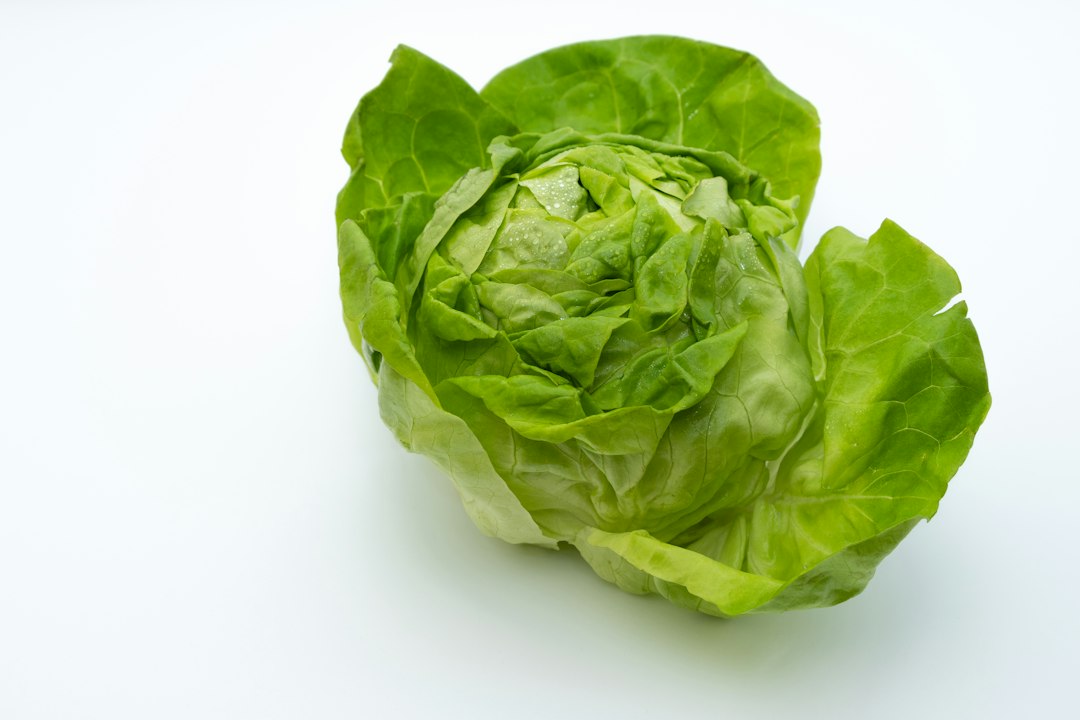
Wash unwashed lettuce and leafy greens under clean running water, separating leaves so water reaches folds and stems. Dry them with clean towels or a clean salad spinner. Do not use soap or household disinfectants. Greens labeled prewashed or ready-to-eat can be used without another wash, following their package instructions.
Read the package before choosing a washing routine
Whole heads and loose unwashed leaves need a different starting point from a sealed ready-to-eat salad bag. Read the label rather than assuming every bag is washed or every leafy green needs another rinse. Look for preparation and storage instructions as well as the use-by information.
The FDA’s produce guidance says appropriately labeled prewashed or ready-to-eat produce can be used without further washing. If you choose to wash it again, clean handling matters: another rinse can introduce contamination from dirty equipment.
Do not use washing as a way to rescue recalled produce, visibly rotten leaves or food with an unsafe storage history. Consult the recall notice or package instructions. A clean appearance after rinsing does not prove that a previously unsafe item is now safe.
Set up separate dirty and clean areas
Before taking out the greens, make space beside the sink. Put the unwashed produce on one side, and place a clean colander, spinner bowl or towel on the other. This simple layout helps keep washed leaves from returning to the surface that held the unwashed bunch.
Remove raw meat, poultry and seafood from the work area. Clean the equipment and surfaces appropriately before preparing ready-to-eat vegetables. Do not rinse lettuce beneath a board, packet or utensil that is still dripping from a raw-food task.
Wash your hands before handling the greens. Keep a clean towel available for hands so you are not reaching for a cloth that wiped the counter. Our guide to separating raw food in the refrigerator can help maintain that separation before the washing step.
Step 1: Sort the leaves and remove unsuitable parts
Inspect a whole head before taking it apart. Remove damaged outer leaves and discard anything rotten. Separate the remaining leaves carefully so dirt hidden near the base becomes accessible. Work over a clear surface so a trimmed stalk or damaged piece does not fall into the clean-leaf bowl.
For loose greens, sort small handfuls instead of burying the colander under a full bag. Large clumps are harder to inspect. Keep the package nearby until you are finished so you can check its instructions rather than relying on memory.
Use a clean knife if one is needed to separate the head. Keep its blade and the cutting board away from the dirty discard pile. Do not combine newly purchased leaves with an old batch simply to avoid another container; keep their condition and labeling clear.
Step 2: Rinse under running water
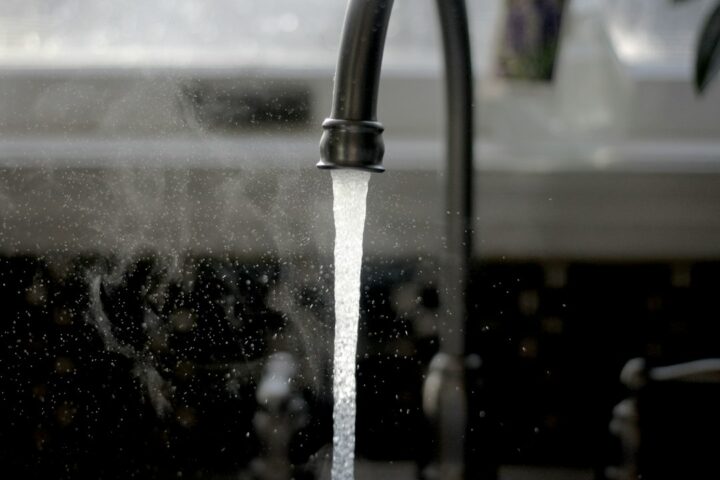
Hold individual larger leaves under clean running water so you can direct it into folds. Turn each leaf gently. For small loose leaves, use a clean colander or the basket of a suitable salad spinner and gently move the leaves so water reaches the different surfaces.
The Academy of Nutrition and Dietetics’ leafy-greens guidance recommends running water and cautions against washing produce in a filled sink. A clean bowl may be useful for handling equipment, but the sink itself should not become the wash basin for your salad.
Use a controlled flow rather than a forceful spray that scatters water across the kitchen. If grit remains visible, rinse that area again. There is no universal rinse duration that guarantees pathogen removal, so do not turn the process into a promise that a set number of seconds makes raw greens sterile.
Do not add soap, bleach or a homemade disinfecting bath
Products designed to clean dishes or counters are not salad ingredients. Do not put dish soap, laundry products or household disinfectants on lettuce. Washing food is a different task from washing the equipment that touches it.
FDA advises against soap, detergent and commercial produce washes for fruits and vegetables. Washing can reduce contamination but cannot eliminate it. A vinegar or salt bath should not be described as a validated method for making recalled or unsafe greens safe.
If cleaning chemicals accidentally contact the leaves, do not assume that a longer rinse solves the problem. Follow the chemical’s safety guidance and seek appropriate advice when needed. Keep sprays away from the preparation area while food is exposed.
Step 3: Dry with clean equipment
Transfer washed leaves to the clean side of the setup. For a spinner, avoid overfilling the basket and follow its operating instructions. Empty the collected water rather than letting the bottom of the basket sit in it. Use manageable batches so leaves can move without being crushed.
Without a spinner, place the leaves on a clean cloth or paper towels and pat gently. Use a towel that has not already dried hands, wiped a counter or held unwashed produce. Replace wet paper or use another clean towel when needed.
Drying also makes the next preparation step easier: wet leaves are harder to hold and spread water across the board. Check folds near the stem for trapped droplets rather than assuming the visible upper surface tells you the whole leaf is dry.
Step 4: Cut and serve, or refrigerate promptly
Cut or tear the washed, dried leaves using clean equipment. Prepare the amount you plan to use rather than automatically processing a large supply days ahead. Leave the rest in appropriate storage following its label.
If you wash ahead, put the dried greens in a clean suitable container and refrigerate promptly. Do not leave a bowl on the counter while you finish unrelated chores. The container should protect the leaves without making it difficult to notice excess moisture or deteriorating pieces.
FDA recommends keeping perishable produce such as lettuce in a refrigerator at 40°F or below. Check the appliance with a thermometer rather than relying only on its dial setting. Use the package guidance and the actual condition of the greens; drying does not create a universal additional storage life.
Clean the spinner, colander and work area afterward
Rinse out the loose debris, then wash the tools using the method permitted for each one. A spinner lid may contain detachable sections, but dismantle only what the manufacturer intended. Do not force open a mechanism to reach an area that needs a model-specific cleaning method.
Let washed components dry before stacking them. Check holes, lid channels and the bottom of a basket where leaf fragments can remain. Put clean equipment away from the sink splash zone until the next use.
Take the discard pile to the appropriate waste container and clean the work area. Keep the knife safely visible until it has been washed. Our guide to caring for kitchen knives covers safe handling after food preparation.
Troubleshoot a few common situations
| Situation | What to do |
|---|---|
| Grit remains near stems | Separate leaves and rinse the folds individually. |
| Greens are labeled ready-to-eat | Follow the label; a further wash is not required solely because they are bagged. |
| The clean bowl was touched by raw-food equipment | Stop and replace or properly clean the contaminated equipment before proceeding. |
| The package is recalled | Follow the recall directions; do not try to fix it by washing. |
| Leaves look rotten or smell abnormal | Discard unsuitable produce rather than adding it to the fresh batch. |
For future shopping, buy a quantity that fits your actual use. Store the bag where it is visible and separated from raw-food drips. A washing routine works better when it begins with produce that has been purchased, transported and refrigerated appropriately.
Frequently asked questions
Do organic greens need washing?
Unwashed organic leaves still need appropriate preparation. Organic is not a substitute for reading the package and handling produce cleanly.
Can washing remove every germ?
No. It helps remove dirt and can reduce bacteria, but it does not guarantee that raw leaves are free of pathogens.
Can I use a kitchen towel to dry lettuce?
Use a freshly clean towel reserved for this task. A towel that has already wiped hands or surfaces can reintroduce contamination.
Sources
Illustrative photo: Gabriel Mihalcea on Unsplash.
Editorial note
Kitchen products and manufacturer instructions vary. When a product manual conflicts with general guidance, follow the instructions for your exact model.