Keep nuts tightly sealed and choose a storage temperature that suits how quickly you will use them. A small working portion may suit the pantry, while refrigeration or freezing can protect the quality of a larger supply. Follow the package instructions, especially for flavored products or nut meals.
Identify the nuts and the form you bought
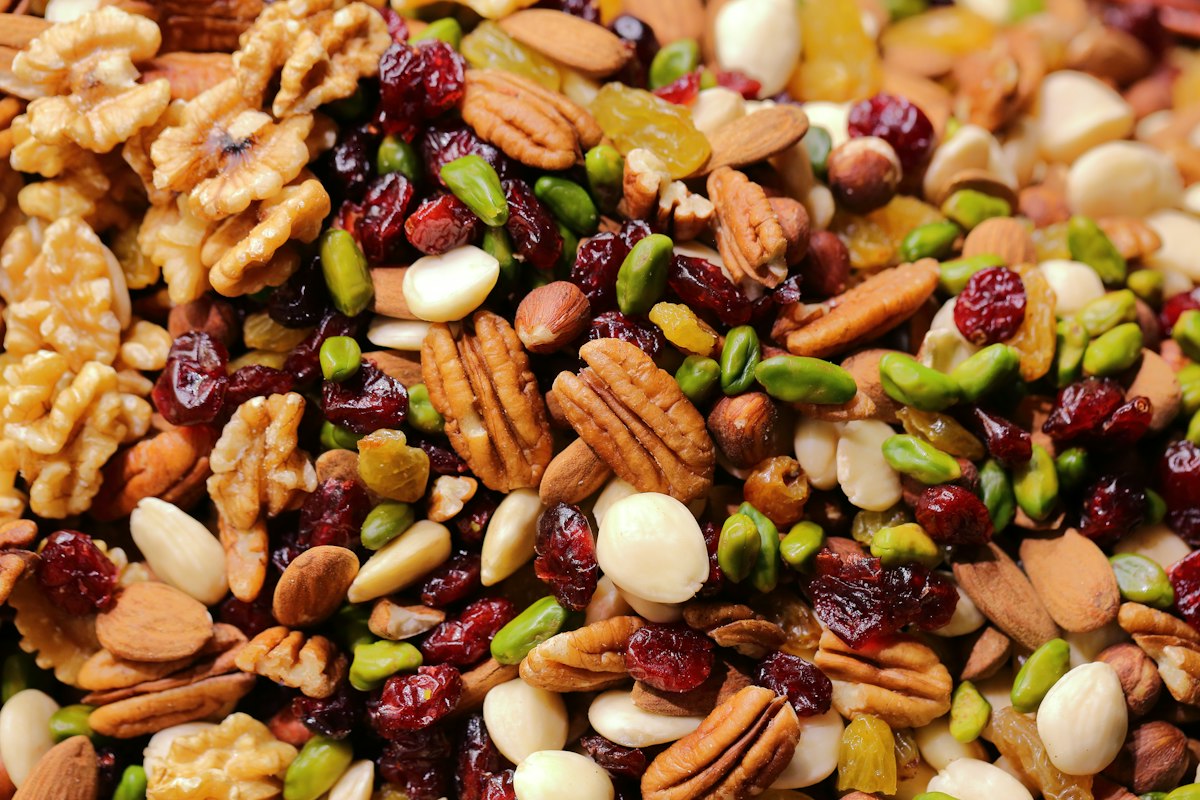
Separate whole nuts, chopped nuts, nut flour, roasted mixes and flavored snacks. Their packaging and recommended storage can differ. A bag of plain walnuts is not the same product as a sweetened trail mix with dried fruit, chocolate and several added ingredients.
Read the label before transferring anything. Note whether the nuts are raw or roasted, salted or unsalted, shelled or in-shell. Preserve allergen statements and any warning about shared equipment. Storage containers should make identification easier, especially in a household managing food allergies.
Inspect the package for damage and check the purchase date. Do not mix a new bag with an older unidentified supply. If nuts have an unusual smell, visible mold or evidence of pests, keep them out of the working collection while you decide on disposal. A new container cannot restore their condition.
Choose a location based on your rate of use
Estimate how much you will use soon. The University of California, Davis advises refrigerated or frozen storage in a sealed container when nuts will not be used within a few weeks. Treat that as a quality-management principle rather than a promise that every nut product lasts the same time.
A small pantry portion should be kept away from sunlight, steam and a warm cooker. The cupboard’s conditions matter: a shelf that becomes hot each afternoon is less suitable than a cool interior cupboard. Follow any stronger refrigeration requirement on the package.
Use cold storage for the reserve when practical. Choose a place where the container will stay protected from odors and physical damage. A loosely folded bag beside strongly scented food is not the same as a well-sealed container, even if both are in the refrigerator.
Package the reserve in useful portions
Divide a large purchase into amounts you are likely to use for a recipe or a short period of snacking. Use suitable food-storage containers or freezer packaging for the chosen location. Close the package securely and avoid leaving a large amount of air in a partly empty flexible bag when it can be gently pressed out.
Use clean, completely dry equipment when portioning. Do not rinse nuts and return them to dry storage. Keep the food away from the preparation of raw meat or other contamination sources while it is spread out for packing.
Choose packaging that makes the contents easy to retrieve. Several small labeled bags can be more practical than repeatedly opening one large frozen container. Avoid overfilling a rigid box so the lid cannot close properly. Check its suitability for freezer use before storing it at low temperature.
Label type, batch and storage date
Write the nut type, purchase or opening date and the original best-before information on each portion. Add whether it is raw, roasted, salted or flavored. These details help with recipes and prevent confusion between similar chopped products.
Keep the original lot and allergen information accessible, particularly if you have repacked several brands into matching containers. A photograph of the package can preserve details without filling the freezer with empty bags. Do not assume a short handwritten name replaces the complete label when someone else needs the ingredient information.
Put older portions at the front or top of the storage zone. Use them first before opening a newer batch. A short inventory can help when you buy nuts occasionally for baking and forget which varieties are already available behind other frozen food.
Handle cold portions without repeatedly introducing moisture
Take out only the portion you need and return the reserve promptly to its storage location. If a package must warm before opening, let it do so while still sealed to reduce moisture collecting directly on the cold contents. Avoid repeatedly moving the entire supply between a warm kitchen and the freezer.
Keep the portioning tool dry and clean. Do not scoop with a spoon that has just stirred a wet batter. If you are cooking or baking, place the measured amount in a separate bowl rather than handling the reserve package beside steam from a pan.
Check the recipe before use. Whole frozen nuts may need different handling from finely ground nuts, and flavored products may have additional storage instructions. Do not treat the freezer as a way to ignore the manufacturer’s directions or an already damaged package.
Distinguish quality changes from contamination
Rancidity concerns deterioration of the oils and can produce an unpleasant stale, paint-like or otherwise abnormal odor. Do not try to rescue a clearly rancid supply by adding seasoning or roasting it. If you notice an abnormal smell, stop and replace the affected product.
Visible mold, dampness and insect contamination are separate reasons for concern. Do not pick a few moldy nuts out of a questionable container and assume the remainder is acceptable. Avoid tasting suspect nuts as a safety test. A normal smell alone cannot establish that an uncertain product is safe.
If several packages are affected, inspect the storage area and nearby dry foods. Clean the shelf or container and let it dry before adding a fresh supply. Seek an appropriate pantry-pest recommendation if insects recur rather than repeatedly buying new nuts for the same contaminated cupboard.
Make an everyday working-and-reserve system
Keep a modest working portion where you prepare snacks or baking ingredients, with the bulk reserve in its suitable cold location. Refill the working container from an identifiable batch. Do not keep topping it up indefinitely without emptying, cleaning and drying it when needed.
Choose a quantity that matches your household. For example, a recipe-sized portion of walnuts in the freezer may be easier to use than a large open tub that takes months to finish. If you rarely use one variety, buying a smaller amount may reduce waste more effectively than a complicated storage system.
Review the setup when the seasons change or your kitchen becomes warmer. Storage quality depends on the product and conditions, not just the calendar. Keep the package’s guidance as the starting point and use labels and portions to make that guidance practical.
Frequently asked questions
Should nuts always go in the freezer?
Not necessarily. Choose based on the product label, kitchen conditions and how soon you will use them. Refrigeration or freezing is useful for a reserve that will not be used soon.
Can I freeze an already rancid bag?
Freezing does not restore rancid nuts. Replace a supply with a clearly abnormal odor or other signs of deterioration.
Should I wash nuts before storage?
Do not introduce water into a dry storage supply. Follow any preparation instructions for the portion you will use.
Does this also apply to nut flour?
Nut flour can have different label instructions and quality limits. Keep it identifiable and follow its own package guidance rather than assuming whole-nut advice is identical.
Related KitchenVeyra guides
Sources and further reading
The manufacturer references below apply to the products or models they describe. The organization examples and checklists in this guide are practical suggestions.
Illustrative photograph: Maksim Shutov on Unsplash.
Editorial note
Kitchen products and manufacturer instructions vary. When a product manual conflicts with general guidance, follow the instructions for your exact model.