Many common cooked leftovers—including meat, poultry, soups, stews, and pizza—have a refrigerator storage guideline of 3 to 4 days at 40°F (4°C) or below. This assumes proper handling and prompt refrigeration. It is not permission to keep food that was left out too long.
FoodSafety.gov lists storage times by food type. Use the entry that matches the food, rather than treating all leftovers as identical.
Common refrigerator storage limits
| Food | Refrigerator guidance |
|---|---|
| Cooked meat or poultry | 3 to 4 days |
| Soups and stews | 3 to 4 days |
| Pizza | 3 to 4 days |
| Egg, chicken, ham, tuna, or macaroni salad | 3 to 4 days |
| Hard-cooked eggs | 1 week |
These are FoodSafety.gov’s home refrigerator guidelines, not a guarantee for any individual container. The distinction matters when a meal spent time on a buffet, in a car, or on the counter before refrigeration.
Cooling and temperature come before the calendar
FoodSafety.gov recommends refrigerating perishable foods within 2 hours, or within 1 hour when they are exposed to temperatures above 90°F (32°C). Divide leftovers into shallow containers and refrigerate promptly so they can cool quickly. Check the refrigerator with an appliance thermometer.
Do not use the storage table to justify an unknown handling history. Before deciding what to keep, establish when the food was prepared and how it reached the refrigerator. If an essential part of that history is missing, a date written on the lid cannot resolve it.
A labeling routine that is easy to follow
- Identify the contents. Write a name that another household member will understand.
- Record the preparation date. Do this when putting the food away, not several days later from memory.
- Plan the next use. Decide which meal will use the leftovers instead of letting the container disappear behind new groceries.
- Keep batches distinct. Do not mix a new batch into an older container and then give everything the newer date.
For example, label a container “chicken stew — cooked Monday,” then decide whether it belongs in an upcoming lunch plan. This turns storage into a deliberate decision. It also lets someone else understand the label without asking the person who cooked.
What if you will not eat it in time?
Consider freezing suitable leftovers while they are still within their refrigerated storage window and have been handled safely. FoodSafety.gov distinguishes freezer quality recommendations from refrigerator safety limits: food held continuously at 0°F (-18°C) or below can remain safe indefinitely, although quality can decline.
Freezing is not a way to undo unsafe handling. For an unusual food or a specific ingredient combination, consult the detailed government chart rather than extending the general 3-to-4-day guidance yourself.
Keep the storage system visible
Use a small, accessible area for meals you plan to eat next. See our pantry organization guide for a related approach to making older items easier to find in cupboard storage.
Step 1: Establish the food’s handling history
Before counting refrigerator days, ask when the food was cooked, when it was put away, and whether it was kept at an appropriate temperature in between. Use the original preparation date, not the date you moved the leftovers into a cleaner container. If someone else prepared the meal, ask them rather than making a confident guess.
Consider a simple example: a covered meal refrigerated promptly on Monday has a different history from a Monday meal left on a table during an extended gathering. The date matches, but the handling does not. A storage-time chart cannot make those histories equivalent.
Include time during transport and serving when reviewing what happened. Do not reset your assessment merely because the food briefly went into a refrigerator between two periods on the counter. If you cannot establish safe handling, seek appropriate guidance instead of relying on an optimistic date label.
Step 2: Portion and refrigerate promptly
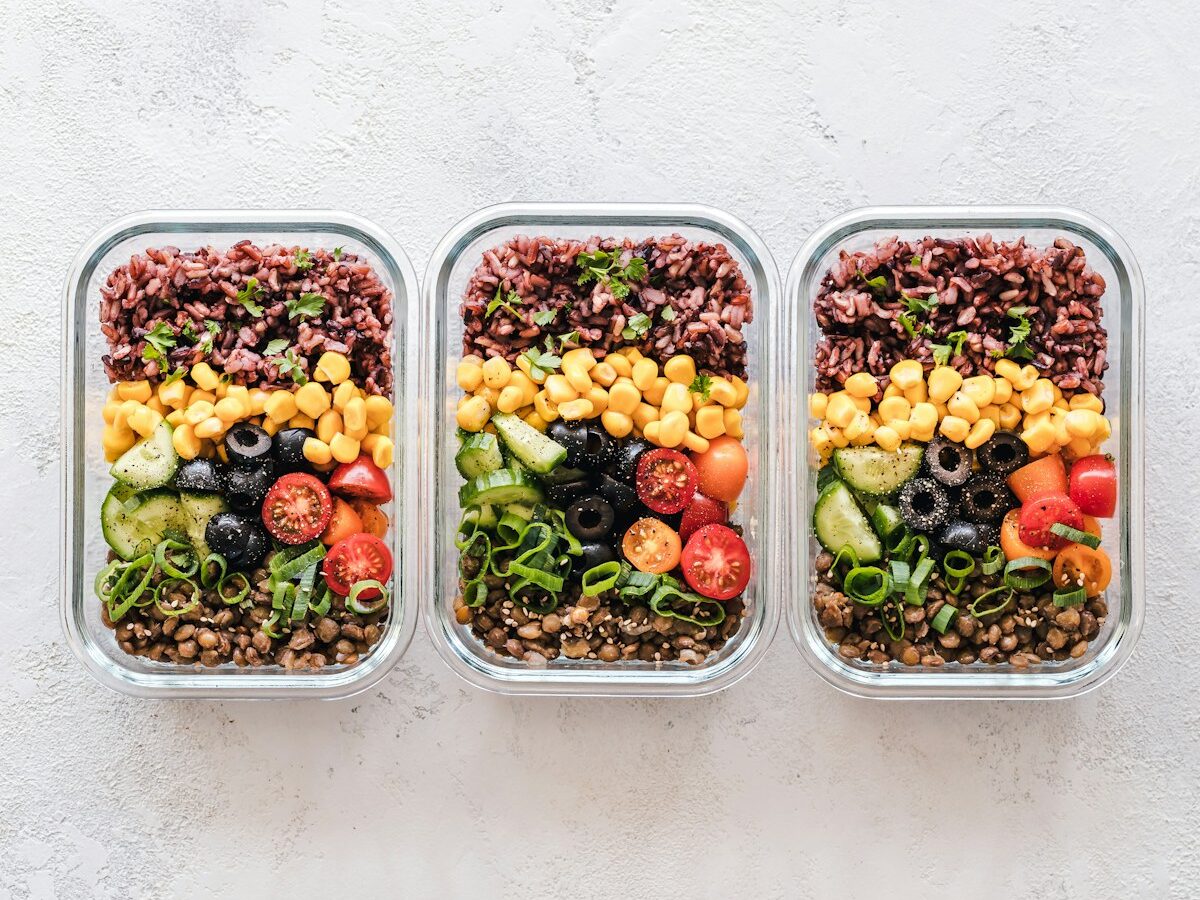
Get suitable food-storage containers ready while finishing the meal. This makes prompt storage easier than searching for matching lids after the table is cleared. Choose portions that fit your next meal plans, and use shallow containers for rapid cooling as the government guidance recommends.
The FDA explains that hot food can be placed in the refrigerator and recommends dividing it into smaller containers to help it cool faster. You do not need to wait for a large pot to reach room temperature on the counter. At the same time, “put it in the fridge” is not an instruction to disregard portion size or overcrowd the appliance.
Keep food contained and protected from raw-food juices. Use a clean container suitable for the food and the intended storage conditions. If a container will later go in the microwave or freezer, check that suitability separately; being useful for cold storage does not automatically establish every other use.
Step 3: Make a refrigerator-or-freezer decision
Plan how the leftovers will be used rather than storing a large batch without a decision. If suitable food will not be eaten within its refrigerated window, freezing it while properly handled and still within that window is an option. Record the food name, original preparation date, and freezing date clearly.
Freezer storage guidance has a different purpose from refrigerator limits. FoodSafety.gov’s chart explains that continuously frozen food held at 0°F (-18°C) or below can remain safe indefinitely, while listed freezer durations concern quality. That assumes the food was safe when frozen and remained appropriately frozen.
Do not treat freezing as a rescue procedure for an unsafe meal. Moving a container to a colder place does not rewrite its earlier handling history. If the meal was already held unsafely, use the appropriate discard guidance rather than giving it a new future deadline.
Step 4: Thaw with a plan for reheating
The FDA identifies refrigerator, cold-water, and microwave methods for safe thawing. Refrigerator thawing is a useful default when you can plan ahead. Keep the food contained while it thaws and follow guidance for the actual food and package.
For cold-water thawing, the FDA advises changing the water every half hour and cooking immediately after thawing. Microwave-thawed food should also be cooked immediately. These methods require active attention; they are not permission to leave a container on the counter until convenient.
Choose the thawing method before you need lunch. If you know you will be away from the kitchen, a method requiring repeated attention is a poor fit. Keep the food label with the container through thawing so its original history remains visible.
Step 5: Reheat the portion you intend to serve
FoodSafety.gov advises reheating leftovers to an internal temperature of 165°F (74°C). Use a food thermometer rather than relying only on a hot container or steam at the edges. In the microwave, cover and rotate the food for even heating, use a microwave-safe dish and covering, and follow instructions for standing time.
The government guidance notes that microwaves can create cold spots, so check the food’s temperature in several places. The FDA also advises bringing reheated sauces, soups, and gravy to a boil. Follow the relevant procedure for the food instead of assuming one fixed microwave time works for every portion.
A meal that reheats thoroughly still needs a safe earlier handling history. Reheating is a cooking step, not a replacement for proper storage. For repeated reheating questions or unusual foods, consult the appropriate official guidance rather than inventing a universal allowance.
Use a clear decision process
| Question | What to do with the answer |
|---|---|
| Can I establish when and how it was stored? | If not, do not make a safety claim from appearance alone. |
| Was it refrigerated promptly and kept cold? | If not, follow the relevant unsafe-handling guidance. |
| What kind of food is it? | Use the matching official storage-chart entry. |
| Will it be eaten within the recommended window? | Plan a meal or timely freezer storage for suitable food. |
| How will it be thawed and reheated? | Choose a method you can complete safely. |
This process is more useful than memorizing one number for every container. It also keeps separate decisions separate: a label establishes a date, a thermometer measures temperature, and the food’s history informs whether keeping it is appropriate.
Common mistakes to avoid
- Using smell as proof of safety. The FDA notes that food can cause illness even when it does not look, smell, or taste spoiled. Do not taste a questionable meal to test it.
- Waiting too long to freeze. Make the freezer decision while the food is still appropriately stored, not after its refrigerator window has passed.
- Giving a transferred container a new cooking date. Retain the original preparation information.
- Heating only the outside. Follow the thermometer and even-heating guidance rather than judging by the dish’s temperature.
- Using one storage limit for every food. Check the relevant entry and any specific handling instructions.
Frequently asked questions
Are leftovers always safe on the fourth day?
No. The listed window assumes suitable handling and refrigeration. Earlier temperature abuse or an uncertain history is not repaired by still being within a calendar limit.
Do leftovers need to cool fully before refrigeration?
The FDA recommends small portions and prompt refrigeration; it states that putting hot food in the refrigerator does not harm the appliance. Do not leave a large meal on the counter simply to wait for room temperature.
Can I judge safety by the smell?
No. A bad smell can tell you something is wrong, but the absence of a bad smell cannot establish that the food is safe. Review handling, storage time, and temperature.
What if the refrigerator lost power?
Use official power-outage guidance based on time and measured temperatures. The normal leftovers chart is not a power-outage decision chart. Record what happened and consult the FDA or FoodSafety.gov’s dedicated advice before keeping perishables.
Sources
- FDA: Rapid cooling, thawing, and temperature monitoring
- FoodSafety.gov: Reheating and microwave checks
- FDA: Why smell and appearance cannot establish safety
- FoodSafety.gov: Cold food storage chart
- FoodSafety.gov: Safe chilling and handling
Editorial note
Kitchen products and manufacturer instructions vary. When a product manual conflicts with general guidance, follow the instructions for your exact model.