Care for nonstick pans by following the pan’s heat limits, using suitable utensils, letting it cool before washing, cleaning it with a soft sponge and protecting the coating during storage. If food begins sticking, check for residue and cooking problems before assuming the coating needs replacing. Peeling or visibly failing coating is a different issue.
A nonstick pan does not need the same treatment as bare cast iron or stainless steel. Aggressive scrubbing, empty high-heat preheating and unprotected stacking can undermine an otherwise careful routine. This guide explains what to do before, during and after cooking, with separate checks for stubborn residue and physical damage.
Identify the pan before choosing a care method
Find the brand, product line and care instructions. The outer material may be aluminum or stainless steel while the cooking surface is a nonstick coating. A metal-looking exterior does not mean the interior tolerates the cleaners used on bare metal.
Check the instructions for four separate permissions: cooktop compatibility, oven temperature, broiler use and dishwasher use. A pan described as oven-safe can still have restrictions involving the lid or handle. Do not infer the maximum temperature from another pan by the same brand.
If you do not know the product line, take photos of the base and handle and contact support. Until you have its instructions, use conservative daily care: gentle washing, appropriate soft utensils and no experimental restoration treatments.
Set up a simple care kit
- Mild dish detergent.
- A soft sponge or cloth intended for nonstick surfaces.
- A clean drying towel.
- Silicone or wooden utensils suitable for the cooking temperature.
- A dry pan protector or clean soft separator for stacking.
- The manufacturer’s care page or booklet.
Keep abrasive pads away from the sponge you use for the coating. It is easy for someone washing dishes quickly to choose the wrong side of a sponge. A clearly separate soft cloth makes the intended method easier to follow.
Inspect utensils too. A silicone spatula with a torn edge, exposed metal core or loose handle should not remain in the rotation. The purpose is a smooth working edge that will not gouge the pan, not simply a particular utensil color or label.
Use the pan carefully during cooking
1. Start with a clean, dry pan
Before heating, inspect the cooking surface and base. Remove old food and oil residue instead of allowing it to cook again. Check that the base is dry and that the pan sits securely on the burner.
Plan the utensil and serving dish before cooking begins. This small step reduces the temptation to use a fork, knife or sharp-edged tool because it happens to be nearest. If cutting is needed, move the food to a cutting board.
2. Match the burner and heat to the job
Follow the manufacturer’s recommendations rather than using the strongest setting by habit. Tefal recommends medium-temperature cooking for its nonstick cookware and warns against overheating. Keep a gas flame beneath the base rather than allowing it to climb the sides or handle.
Avoid leaving an empty pan heating while you chop ingredients or answer a call. Prepare the ingredients first. If your specific product has a preheating instruction or heat indicator, use that guidance rather than applying a universal number of minutes.
3. Choose the right cooking task
Give nonstick pans jobs that suit their instructions and your cooking method. Delicate foods and moderate-heat cooking are different tasks from aggressive searing. If a recipe requires very high heat or broiling, select cookware explicitly approved for that use.
Our frying pan selection guide can help you assign different pans to different jobs. Owning several materials is most useful when each has a purpose, rather than expecting one pan to tolerate every technique.
4. Use suitable utensils and fats
Use the utensils recommended for your pan. Even where a product permits some metal utensils, a smooth wooden or suitable silicone utensil is a cautious daily choice. Do not cut food in the pan or scrape its surface with a fork.
Check the instructions for cooking sprays and oils. Calphalon warns that cooking sprays can leave sticky residue on some cookware. Avoid assuming that a coating advertised as nonstick means every food can be cooked with no fat, at any temperature, in any condition.
5. Move the pan safely after cooking
Switch off the heat and place the pan on an appropriate heat-resistant surface. Turn the handle away from the edge where it could be knocked. Serve with the same suitable utensils used for cooking.
If food has burned, do not carry a smoking hot pan straight to a sink and flood it with cold water. Let it cool safely. If oil ignites, follow fire-safety guidance rather than treating it as a cleaning problem; do not pour water onto burning oil.
Clean the nonstick pan step by step
1. Let it cool before washing
Wait until the cookware is cool enough for the cleaning method specified by the maker. Tefal and Calphalon both warn about thermal shock from a hot pan contacting cold water. A cooling period also makes handles, oil and washing water easier to manage safely.
Use that time to clear the sink. A pan dropped into a pile of metal cutlery may be scratched before washing begins. Keep knives and abrasive tools out of its resting place.
2. Remove loose food and excess grease
Move loose food into the appropriate waste container. Deal with excess cooking grease using your local disposal guidance instead of pouring it down the drain. Do not use a metal scraper to chase a thin film around the coating.
Check the rim and area near the handle. Food can remain there while the center looks clean. The outside base may need attention too, but its material and finish can require different treatment from the interior.
3. Wash gently with mild soapy water
Use a soft sponge and mild detergent, moving across the cooking surface with light pressure. Rinse the sponge when it collects grease. Clean the sides and rim, then wash the handle as its construction permits.
Do not assume that the amount of force determines cleaning quality. If food resists gentle washing, soften it using the maker’s approved soaking procedure. Check whether the handle or other parts should remain out of standing water.
4. Rinse and inspect in good light
Rinse away detergent and examine the surface. A slick feel may be grease or soap rather than damaged coating. Repeat a gentle wash when residue remains, using fresh water and a clean sponge.
Do not use your fingernail or a sharp point to test a suspicious mark. Photograph it and compare it with the manufacturer’s examples or contact support. A stain, a residue layer and missing coating are different findings.
5. Dry before storage
Dry the interior, underside and handle. Make sure no water collects around joints or under an attached lid. Place the pan where it can finish drying before returning it to a crowded cupboard.
Handwashing is a useful conservative routine, even when a particular line permits dishwashing. If you choose the dishwasher, follow that line’s care instructions and arrange it to avoid contact with other items. A dishwasher-safe claim is specific to the product.
What to do when food starts sticking
Begin with a short diagnostic record: which food sticks, what heat setting you used, whether the pan was clean and whether the sticking affects one area or the whole surface. This prevents changing five things at once and losing track of what helped.
First complete the normal wash and inspect again. If the maker provides a residue-removal procedure, use that exact method. Tefal describes additional cleaning options for some of its cookware, but a treatment approved for one coating should not be copied automatically to another.
Next review the cooking method. Food crowded into a small pan, unsuitable heat or an unapproved spray can complicate the result. Adjust one relevant factor at a time while staying within the pan’s instructions. Do not try to repair worn coating by burning on oil like cast iron.
The routine for washing and maintaining cast iron belongs to a different surface. Similarly, the stronger approaches used for burnt food on stainless steel should not be transferred to nonstick cookware.
Store pans without scraping the coating
A dedicated shelf position or rack can prevent another pan’s base from resting on the cooking surface. If stacking is necessary, use a clean dry protector or soft separator, and lift each pan instead of sliding it across the one underneath.
Keep loose lids and tools out of the pan interior. Check the handle position so it does not snag when the cupboard opens. If the stack is so tight that removing one item scrapes the others, move an infrequently used pan to another location.
Recognize when care is no longer enough
| Finding | Practical response |
|---|---|
| Sticky residue without visible damage | Use the approved cleaning method and review cooking technique. |
| Peeling or flaking coating | Stop using the pan and seek replacement or manufacturer advice. |
| Warped base or unstable seating | Stop using it on the cooktop and ask about replacement. |
| Loose or damaged handle | Follow the maker’s repair instructions or remove it from service. |
| Unclear scratch or discoloration | Send a clear photograph to support rather than scraping to investigate. |
There is no universal replacement birthday for all nonstick pans. Condition, construction and use matter. Keep the purchase details and product line if you may need warranty support. Calphalon identifies overheating, unapproved cleaners and other misuse as possible warranty issues, so an improvised restoration attempt can make resolution harder.
Frequently asked questions
Should I season nonstick like cast iron?
Do not build a baked-on oil layer unless your manufacturer specifically instructs it. A maker’s light oil-conditioning step is different from cast-iron seasoning.
Can I put every nonstick pan in the oven?
No. Check the exact product’s temperature limit and restrictions for the handle, lid and broiler. The coating name alone does not establish permission.
Can I use steel wool on a stubborn patch?
Avoid it. Use a soft tool and an approved residue-removal method. Stop if the surface appears damaged.
What is the simplest routine to remember?
Cook within the pan’s limits, use suitable utensils, cool, wash gently, rinse, dry and protect during storage. Investigate changes before resorting to stronger cleaning.
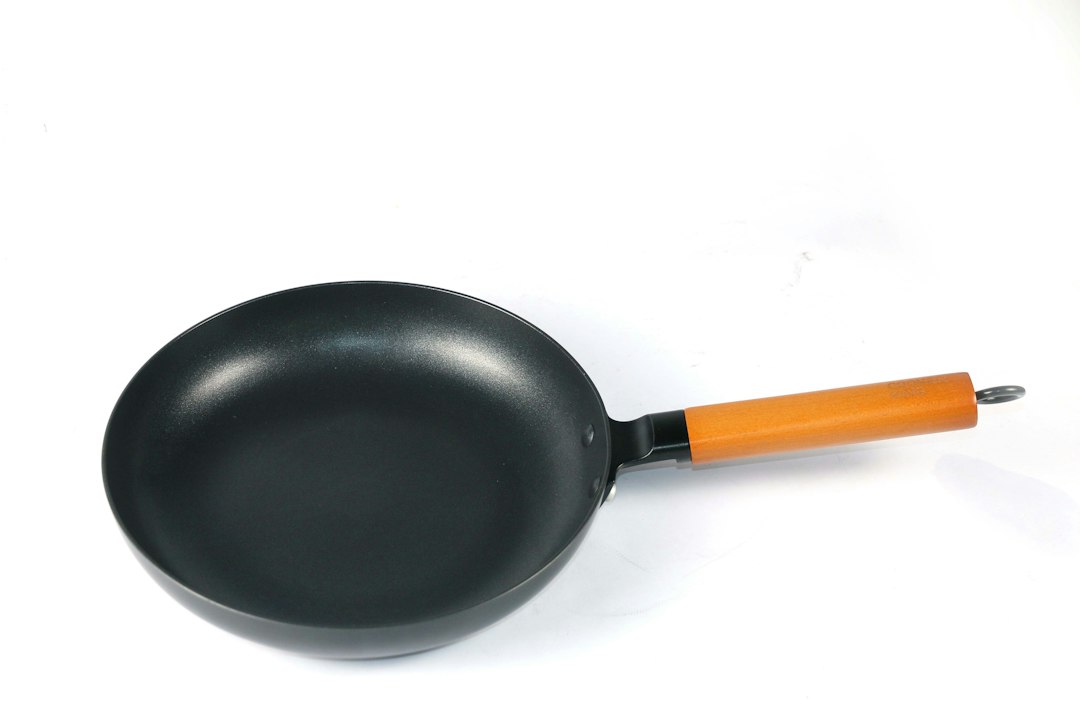
Photo by Cooker King on Unsplash. Illustrative photograph.
Sources
- Tefal: cookware use and care.
- Calphalon: cookware use, cleaning and storage.
- Calphalon: care practices and warranty exclusions.
Editorial note
Kitchen products and manufacturer instructions vary. When a product manual conflicts with general guidance, follow the instructions for your exact model.