Clean an uncoated aluminum baking sheet by letting it cool, hand-washing with warm soapy water, rinsing and drying. Soften stuck food before using a gentle utensil or sponge. Do not assume a dark stain requires an aggressive chemical treatment.
Aluminum sheet pans can develop color changes during use. Their appearance is not the same question as whether they are clean, flat and structurally sound. A useful cleaning routine removes food and grease without trying to erase every sign of baking.
This guide is for uncoated aluminum sheets. Nonstick-coated pans, aluminized steel, insulated sheets and pans with special finishes may need different treatment. Identify the pan before applying any method.
Check the pan first
Look for a brand mark and care instructions. A shiny silver pan can still have a coating, so color alone is not enough to identify it.
Inspect the surface for loose residue, deep pitting, sharp edges and major deformation. A flat brown patch is different from a thick layer of burnt food that catches a fingertip.
If a coated pan is peeling, do not use this guide to scrub the remaining coating away. Follow the manufacturer’s replacement advice instead.
Gather the right supplies
Use mild dish soap, warm water, a soft sponge, a cloth and a drying towel. A manufacturer-approved nylon or silicone utensil may help lift softened food.
Choose a sink or basin that supports the pan. If the sheet is larger than the sink, wash one section at a time without bending the pan across the basin edge.
Avoid oven cleaner, strong alkalis, improvised acid soaks and metal scrubbing as a default routine. Aluminum can react with unsuitable chemicals, and removing a stain is not worth creating corrosion.
Step-by-step cleaning method
1. Let the sheet cool
Place the hot sheet on a suitable heat-safe surface and let it cool before washing. Do not run cold water over a very hot pan.
Remove food and any liner once safe to handle. Dispose of a single-use liner appropriately or clean a reusable mat by its own instructions.
If grease has collected in a corner, handle it carefully instead of carrying a tilted pan across the kitchen. Keep the path to the sink clear.
2. Remove loose residue
Wipe or lift crumbs and loose pieces into the appropriate waste container. Do not use a knife to scrape the broad surface.
Check the corners and rolled rim. Food can collect there while the main baking area appears nearly clean.
Remove as much loose material as possible before adding water. This gives the washing solution a better chance to reach the remaining grease.
3. Wash with warm soapy water
Use a soft sponge and mild dish soap. Work across the surface and around the edges with gentle pressure.
Turn the pan over and clean the underside as well. A greasy underside can mark storage surfaces or transfer residue to another pan when stacked.
Do not balance a large sheet on one narrow corner while pressing down. Support it so you are cleaning rather than flexing the metal.
4. Soften stuck food
For residue that remains, use the soaking or dampening method permitted by the manufacturer. Keep any soak limited to what the pan’s construction allows.
An insulated sheet can have different restrictions from a solid rimmed sheet. Do not submerge it merely because another aluminum pan tolerates soaking.
Once food softens, lift it gently with an approved utensil. Repeat the mild process rather than switching immediately to an abrasive pad.
5. Rinse and inspect
Rinse away soap and loosened particles. Check the corners, rim and underside.
Look for remaining raised patches. If a spot is flat and smooth but darker, it may be a stain rather than attached food.
Do not judge cleanliness only from a wet pan. Water can make grease less visible, so inspect again after drying.
6. Dry thoroughly
Dry the broad surfaces and accessible rim with a clean towel. Allow any remaining moisture to escape before stacking.
Keep the pan in a clean, ventilated drying position rather than leaving it flat against another wet sheet.
Do not return it to a hot oven as an improvised drying step unless its care instructions permit that use. Ordinary air drying is simpler and avoids unnecessary handling of hot metal.
When baked-on food remains
Identify what is left. Soft sticky grease, hard food and a color change do not need identical treatment.
Repeat the approved warm-water and soap method with clean supplies. A fresh sponge can be more useful than a stronger cleaner if the original sponge is already full of grease.
If you need a specialty cleaner, check the pan maker’s recommendations and the product label for aluminum compatibility. Test as directed and rinse carefully.
Avoid applying a stainless steel pan treatment simply because both pans are metal. Material-specific cleaning matters, particularly with reactive aluminum.
Understanding dishwasher discoloration
Nordic Ware advises hand washing its uncoated aluminum sheets and explains that dishwasher-related discoloration on those products can be cosmetic. That statement concerns those pans; it is not a guarantee about every unknown metal sheet.
If your pan changed color in the dishwasher, identify the material and read its care guidance before trying to reverse it. Do not scrub until it looks shiny regardless of surface condition.
If there is loose residue, roughness, deep corrosion or uncertainty about the material, ask the manufacturer whether continued food use is appropriate.
A cosmetic change does not automatically justify throwing away an otherwise suitable pan. Equally, a familiar stain should not hide actual structural damage.
Preventing difficult buildup
Choose parchment or a reusable liner when appropriate for the recipe, oven setting and pan. Follow the liner’s temperature limits.
Clean spills after the pan cools instead of repeatedly baking them onto the surface. This is especially helpful around corners where oils collect.
Do not store acidic leftovers on an uncoated aluminum sheet. Transfer food to a suitable storage container after cooking and handling it appropriately.
Use utensils recommended for the pan. Even when light scratching does not affect a particular manufacturer’s baking performance, gentler utensils make everyday maintenance easier.
Storage that protects the sheet
Stack only clean, dry pans. Use suitable separators if contact scratches are a concern, and keep heavy or rough objects from scraping the baking surface.
Store sheets where they can be removed without bending. A vertical divider can work if it supports the pans and does not trap wet rims.
Do not force a pan into a narrow slot that presses against its corners. Storage should preserve the shape rather than gradually distort it.
A realistic cleanup after roasting
After transferring the food, let the sheet cool safely. Remove loose residue, wash the surface, then focus on the corners where cooking juices collected.
If a dark patch remains after washing, check whether it is raised or greasy. Repeat gentle cleaning for residue, but do not continue indefinitely for a smooth stain.
Dry the sheet and inspect its shape. If it has become badly warped or unstable, address that separately from the stain.
This approach keeps cleanup proportional to the problem. You are preparing the sheet for its next useful bake, not restoring a showroom finish after every meal.
Common mistakes
Do not use a universal mixture of baking soda, vinegar and other cleaners just because it fizzes. A chemical reaction is not evidence of compatibility or cleaning effectiveness.
Avoid prolonged acidic contact, harsh alkaline cleaners and unapproved abrasive treatments. Never combine household chemicals.
Do not use a sharp tool to clean beneath a rolled rim. If a construction detail traps residue you cannot remove, ask the manufacturer about care or replacement.
Keep different pan materials separate during cleaning
If several sheets look similar, mark your storage positions or keep a simple list of which are uncoated aluminum and which have a special finish. That prevents the method for one pan from being applied automatically to another.
Clean removable racks separately according to their own material instructions. A rack and sheet sold together may still have different cleaning restrictions.
After washing, compare the dry surfaces rather than trying to make every pan match. A practical bakeware collection can contain different appearances while each piece remains clean, suitable and properly maintained.
Frequently asked questions
Does a dark baking sheet mean it is dirty?
Not necessarily. Remove food and grease, then assess the dry surface. Color alone does not identify residue.
Can uncoated aluminum go in the dishwasher?
Follow the maker’s instructions. Many recommend hand washing because dishwasher detergents can discolor aluminum.
Can I use the same cleaner as on stainless steel?
Only if both the pan maker and cleaner label allow aluminum use. Do not assume all metal cookware shares the same care method.
Should I throw away a scratched sheet?
A light scratch is different from a sharp edge, severe corrosion or a damaged coating. Use the product’s condition and manufacturer guidance to decide.
Why did the pan warp?
Heat, construction and abrupt temperature changes can contribute. Let it cool before washing and consult the manufacturer if the shape affects safe use.
Related guides
Sources
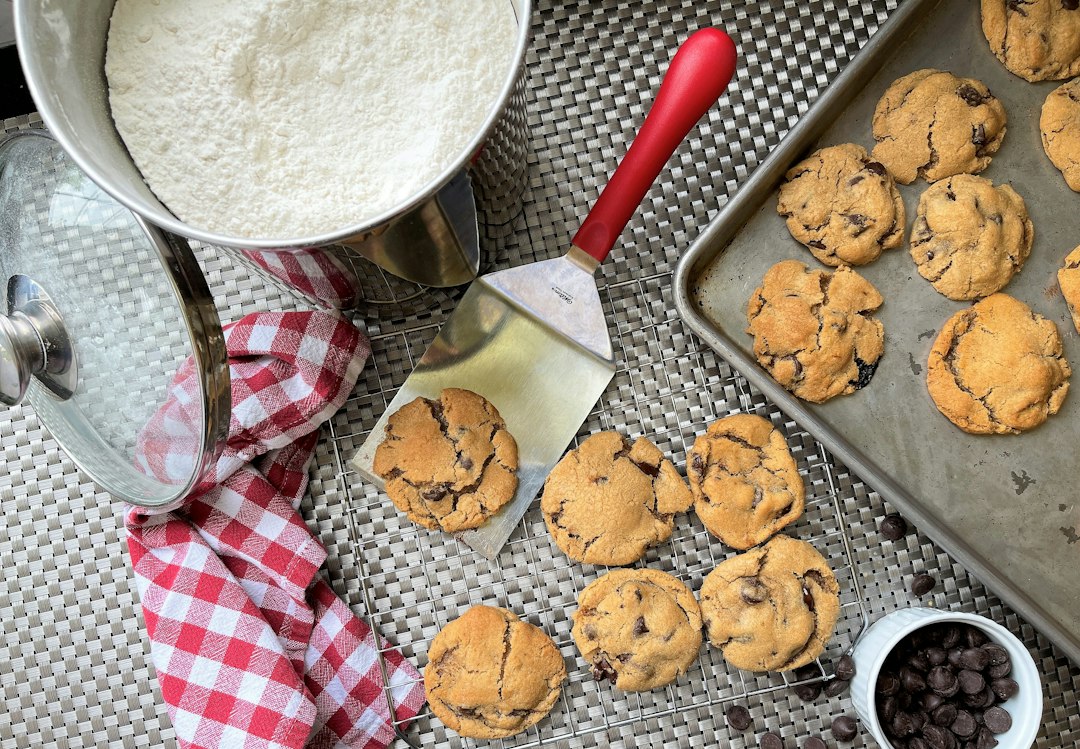
Illustrative photo: Lisa Hanly / Unsplash. The photograph illustrates the topic; it is not a step-by-step demonstration.
Editorial note
Kitchen products and manufacturer instructions vary. When a product manual conflicts with general guidance, follow the instructions for your exact model.