Clean an enameled Dutch oven after it has cooled, using warm water, mild dish soap, and a soft non-metal sponge. Loosen attached food with the soaking method approved by the maker, rinse thoroughly, and dry the pot and lid before storage. Stop using cookware with chipped interior enamel and ask the manufacturer about replacement.
The enamel surface needs a different approach from bare cast iron. It does not need the seasoning routine used for uncoated iron, and aggressive scraping can damage the finish you are trying to preserve. A stained interior, burnt-on food, and a chipped cooking surface are three different problems, so identify the issue before choosing a treatment.
This guide is for enameled cast iron Dutch ovens. Check your own product instructions for cleaners, dishwasher compatibility, and any special finish. A dark interior can also be enamel; color alone does not tell you that a pot is bare iron.
First, distinguish residue from wear or damage
Look inside the cooled, dry pot under good light. Raised, irregular patches are more likely to be attached food than a flat color change. A missing flake, sharp edge, or exposed area should be treated as possible damage, not scrubbed as if it were a stain.
Le Creuset’s care instructions say to stop using a product when its interior enamel has chipped. Do not sand a chip smooth or season over it. If you are uncertain whether you are seeing a scratch, metal mark, or missing enamel, take clear photographs and ask the maker.
| What you notice | First action | Goal |
|---|---|---|
| Ordinary sauce residue | Gentle handwash | Remove food and soap |
| Attached burnt food | Approved soak or softening method | Lift residue without scraping the finish |
| Flat staining or gray marks | Check the manufacturer’s stain guidance | Decide whether a further treatment is appropriate |
| Chipped interior | Stop use and contact the manufacturer | Avoid using damaged cookware |
Gather supplies and protect the sink
Use mild dish soap, warm water, a soft sponge, a suitable non-metal brush, and clean towels. If a stain needs a specialist cleaner, choose only one approved for the exact finish. Keep other chemical products out of the work area so they are not accidentally mixed.
Make space before lifting the pot. Enameled cast iron can be heavy and slippery when wet. Wash the lid separately rather than balancing it against the pot where it could fall. A sink mat or folded protective towel can help prevent hard contact, provided the pot is already cool.
Allow the cookware to cool gradually. Do not carry a hot pot to the sink and fill it with cold water. A sudden temperature change can damage enamel, and an awkward heavy pot also creates a burn risk while you are trying to control the tap.
Method 1: Everyday handwashing
1. Remove loose food
Transfer leftovers to suitable food-storage containers, then remove accessible scraps with a utensil compatible with the pot. Avoid metal edges used as scrapers. Keep waste out of the drain rather than washing large pieces into the sink.
Do not leave food in the Dutch oven simply because you plan to wash it later. Use our leftover storage guide for the food-handling part of the task, and keep that separate from cleaning the cookware.
2. Wash the interior and exterior gently
Use warm soapy water and a soft non-metal sponge. Clean the base, walls, rim, handles, and accessible lid surfaces. Support the pot rather than trying to scrub it while it rocks in the sink.
Turn the cookware carefully to inspect the outside, where food can dry unnoticed. Do not rest the full weight of the pot on a delicate handle or knob. If one patch remains attached, set it aside for the softening method instead of rubbing the whole pot harder.
3. Rinse and inspect
Rinse until soap and loosened particles are gone. Inspect the rim and handle joins, where foam can remain after the main interior looks clean. Keep a firm, balanced grip as water changes the pot’s weight.
Check the surface after rinsing rather than judging it through cloudy wash water. If it feels and looks free of food but retains a light stain, you have a different decision to make from the one required for a thick burnt deposit.
4. Dry the pot and lid separately
Use a clean towel, then allow remaining moisture to evaporate from seams and recesses. Check the lid edge and knob area. Store only when the cookware is dry, keeping the lid from trapping damp air inside.
Method 2: Loosen burnt-on food patiently
Begin with the manufacturer’s approved soak. Add warm soapy water to the cooled pot and let the residue soften according to its instructions. Work with a soft sponge afterward, checking whether the deposit is lifting before choosing any additional method.
Le Creuset describes a baking-soda-and-water simmer as one option for its enameled cast iron, followed by cooling and cleaning. If you use such a method, follow the maker’s quantities and timing, remain present, and never allow the liquid to boil dry. Do not transfer that instruction to cookware whose maker prohibits it.
Use a new cleaning stage only after evaluating the previous one. Taking a photograph before and after can help with dark deposits that look unchanged when wet. If the deposit is thinning, another permitted gentle cycle may be more sensible than a harsher product.
Do not chisel with a knife, use steel wool, or run the pot through an oven self-cleaning cycle. Do not create a cleaning mixture from several household chemicals. If the permitted methods do not work, ask support rather than treating the pot as a chemistry experiment.
What to do about stains and utensil marks
A flat discoloration does not necessarily mean food remains attached. The maker may provide a cleaner for staining or metal transfer. Confirm compatibility with the interior finish and use the product exactly as labeled, including any rinsing requirements.
Test only in the way the product and cookware instructions permit. Do not assume that a cleaner suitable for stainless steel is automatically suitable for enamel. A shared kitchen cupboard is not evidence that two cleaning products can be used on the same surface.
Set a reasonable stopping point. A clean, intact pot does not have to regain its original showroom color after every meal. Repeated unnecessary abrasion can be more damaging than an ordinary cosmetic stain.
Store the Dutch oven without knocking the enamel
Choose a stable shelf or low cabinet that can support the weight. Leave enough room to lift the pot by its handles rather than dragging it between other pans. Avoid storing a heavy lid where it must be caught as soon as you open the door.
If nesting cookware, use suitable clean, dry protectors and keep the stack short enough to lift safely. Do not wedge hard utensils or a smaller pan against the enamel. If the manufacturer supplies lid spacers, use them as directed rather than discarding them before understanding their purpose.
The routine for uncoated iron differs. Our guide to washing bare cast iron with soap explains the separate drying and seasoning considerations. Keep the two care routines clearly labeled if you own both materials.
Reduce the next cleaning job
Follow the maker’s heating guidance and match the cooking zone to the pot. Excessive heat can create more stubborn residue without improving the result. Keep an eye on liquid levels during cooking and use utensils compatible with the enamel.
Lift the pot on a glass cooktop rather than sliding it. Before setting it down, check that the base and surface are clean. A well-organized cookware space also helps: when every pot can be lifted without colliding with another, there are fewer opportunities for chips during ordinary use.
When sharing cookware with another household member, explain which pot has enamel and which has bare iron. A simple distinction prevents someone from applying a familiar but unsuitable scourer or seasoning routine. Keep compatible brushes nearby and remove damaged cleaning tools from use so the next wash begins with the right supplies.
Frequently asked questions
Do I need to season enameled cast iron?
No seasoning layer is required on an enamel cooking surface. Follow the maker’s instructions for any exposed rims or other details, and do not apply a bare-cast-iron routine to the entire pot.
Can an enameled Dutch oven go in the dishwasher?
Some can, but check the specific product. Le Creuset allows dishwasher cleaning for its enameled cast iron while recommending handwashing to preserve the appearance. Handles, knobs, and other components can affect a product’s limits.
Is a black interior definitely uncoated iron?
No. Some enamel finishes are dark. Identify the product before choosing a cleaning method, especially before attempting seasoning or using an abrasive tool.
Can I keep cooking with chipped interior enamel?
Stop using it and contact the manufacturer. Cleaning, sanding, or applying oil does not restore missing enamel.
Sources
- Le Creuset: Care and cleaning for enameled cast iron — gentle washing and approved residue-softening options.
- Le Creuset: Care and use — interior-enamel damage, handling, and use limitations.
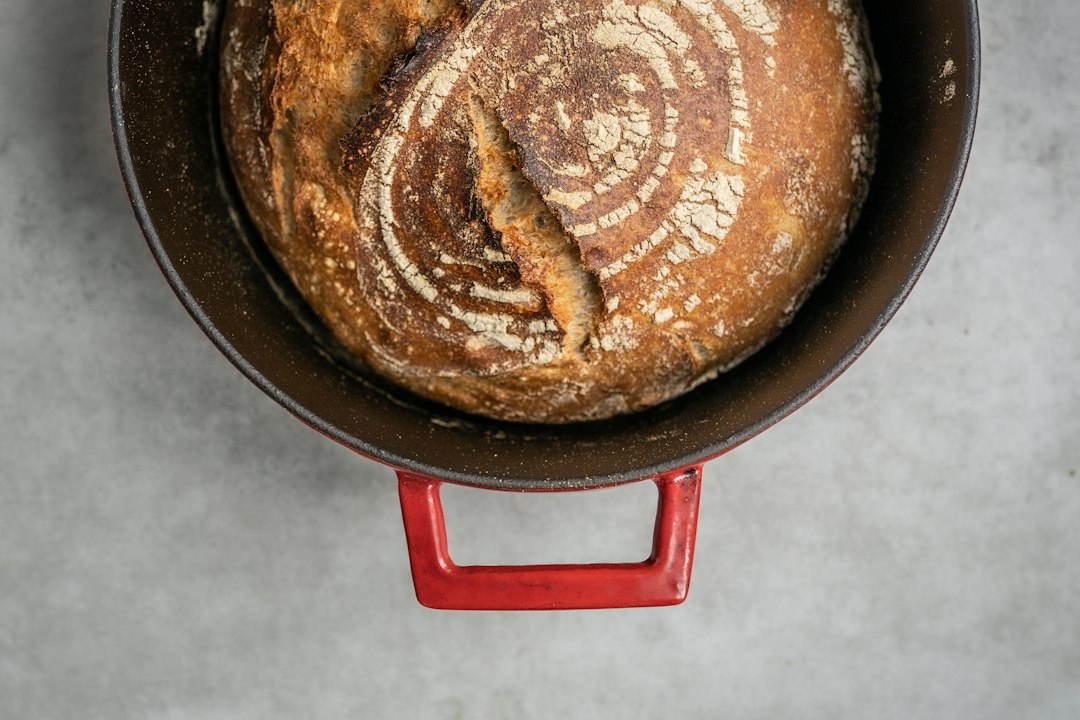
Illustrative photograph by Sophie Dale on Unsplash.
Editorial note
Kitchen products and manufacturer instructions vary. When a product manual conflicts with general guidance, follow the instructions for your exact model.