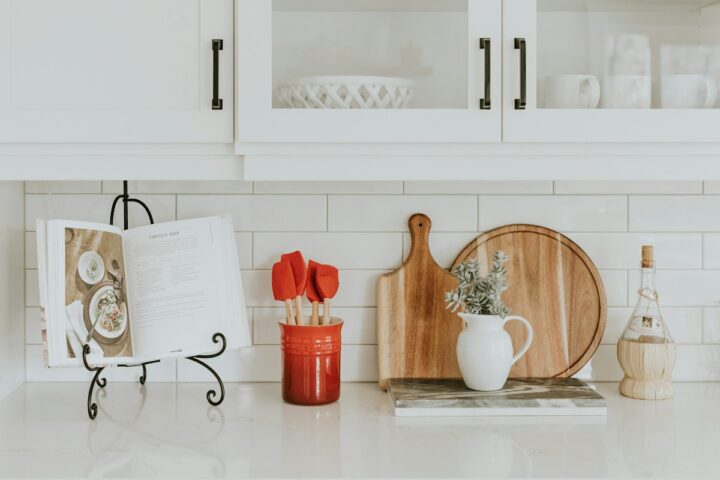
Clean granite countertops with a soft cloth, warm water and a neutral stone cleaner or suitable mild dish detergent. Remove residue with clean water and dry the surface. Blot spills promptly, and avoid using vinegar, lemon or abrasive powders as a general cleaning method.
Confirm that the countertop is natural granite
Granite, engineered quartz, quartzite and patterned laminate can be confused at a glance. Check the installation paperwork or ask the fabricator. Do not identify the material by performing an acid test on the countertop: that could create the very damage you are trying to avoid.
Find out whether the surface is polished, honed or otherwise finished, and whether a sealer or specialty treatment was applied. Note the installer’s product recommendations. The general routine below is for everyday cleaning of natural granite; a treatment-specific care sheet takes priority.
If your surface is engineered quartz, use our separate guide to cleaning quartz countertops. Similar appearance does not make the materials interchangeable, particularly when choosing stain removers or considering sealing.
Choose a gentle cleaner and soft tools
The Natural Stone Institute recommends neutral cleaner, stone soap or mild dishwashing detergent with warm water for stone surfaces, followed by rinsing and drying. Use a clean soft cloth and avoid gritty pads. Follow the concentration on the product label rather than making a deliberately stronger solution.
Prepare separate washing and rinsing cloths. A third dry cloth is useful for finishing around the faucet and along edges. Remove crumbs with a gentle pass before introducing water, so grit is not pushed back and forth across the surface.
Keep cleaners in their original labeled containers. A bottle described only as kitchen spray could contain an acid or abrasive inappropriate for stone. If you cannot identify the cleaner, use a known suitable product rather than guessing from its smell or color.
Step 1: Clear a section and blot spills
Move small appliances, trays and containers to a safe temporary spot. Lift them rather than dragging rough feet across the stone. Work in sections so you can return items to a dry surface instead of leaving the entire kitchen dismantled.
Blot a fresh spill from the outside toward the center using an absorbent cloth or paper towel. Replace the wet portion as it becomes saturated. Spreading the liquid over a wider area creates more cleanup, especially with coffee, oil or colored food.
Do not let a heavy appliance balance at the counter edge while you wipe beneath it. Clean the accessible area first and arrange help to move anything awkward. A practical cleaning routine should not require lifting something you cannot handle securely.
Step 2: Wash gently and remove food residue
Dampen the cloth with the permitted solution and wipe the cleared area. Use small amounts of liquid near joints, sink cutouts and the wall. You want controlled cleaning, not a pool that runs into seams or underneath countertop objects.
For dried food, hold a damp cloth over the residue to soften it, then wipe gently. Repeat rather than scraping with a knife or rough pad. If ordinary food residue does not lift, use a stone-compatible product selected for the problem and approved by the supplier.
Clean the front edge and accessible underside lip with the same attention as the top. These are easy places to miss after wiping flour or crumbs away. Avoid reaching beneath sharp hardware or working around damaged edges that could cut your hand.
Step 3: Rinse and dry before judging the result
Remove the wash solution with clean water on a separate cloth, changing the water when it becomes dirty. Follow with a soft dry cloth. Leaving detergent behind can make an otherwise clean countertop feel sticky or look streaky.
Look at the dry surface in normal light. Water can temporarily change how a mark appears, so judging a wet patch can lead you to keep scrubbing unnecessarily. Move a lamp or change your viewing angle if needed instead of rubbing harder.
If the area looks clean once dry, return your appliances and trays. Put a dry mat beneath anything that tends to drip, checking it periodically. A permanently wet mat can conceal a recurring moisture problem instead of solving it.
Separate residue, stains and finish damage
A pale haze may be leftover cleaner, while a dark mark may be absorbed moisture or another stain. A dull spot may involve the finish itself. These are different problems and should not all receive the strongest product available.
Start by repeating one careful rinse-and-dry cycle on a small area. If that removes the haze, reduce the detergent amount in your next clean. If a dark patch follows a recent water spill, allow the stone to dry before deciding that it requires chemical stain treatment.
For a persistent mark, document its location, likely cause and approximate age. Tell the supplier whether it appeared beneath an oil bottle, coffee machine, plant pot or metal container. The Natural Stone Institute’s stain guidance distinguishes stain categories and notes that deeply embedded marks may need a poultice or professional attention. Do not improvise a mixture of stain-removal chemicals.
What to avoid on granite
Avoid acidic household cleaners as a default, even when a stone is marketed as durable. Do not use a vinegar soak around a faucet simply because it works on some removable plumbing parts. Stone, the sealer and adjacent fittings may have different tolerances.
Keep scouring powders, oven cleaner and general-purpose rust removers off the countertop unless a qualified stone professional has specified a compatible treatment. A product suitable for a porcelain fixture is not automatically safe for granite. Never mix cleaners.
Do not sand or polish an isolated dull patch with a power tool as part of routine cleaning. You could change the appearance of a larger area. Stop and obtain advice if you see a crack, loose seam, chipped edge or a mark that appears to be inside the finish rather than on it.
Do granite countertops need sealing?
Some natural stone benefits from an impregnating treatment, but not every slab needs the same schedule or product. The Natural Stone Institute notes that sealing improves stain resistance rather than making stone stain-proof, and that some stones do not require sealing.
Ask the fabricator what was applied and how to evaluate its condition. Do not automatically reseal every time water stops beading, or put a new treatment over an unidentified existing one. Cleaning, drying, application and cure requirements depend on the selected product.
If sealing is recommended, plan it as a separate maintenance task and follow all label instructions, including ventilation, drying and return-to-use requirements. Keep records of the product and date. This avoids repeated applications based on a guessed annual timetable.
Prevent recurring stains with a practical layout
Put oils and sauces on a washable tray rather than directly on the stone. Check underneath the tray when cleaning. Use coasters beneath drinks and a suitable trivet for hot cookware. Keep cutting tasks on a board so knife work and food preparation have a defined area.
Make the space around the sink easy to dry. Store sponges and brushes where they can drain without leaving a continuous puddle. Address a leaking soap dispenser or faucet rather than repeatedly cleaning the same wet patch.
Our guide to organizing kitchen counters can help reduce the objects you need to move. Fewer permanently occupied corners make it easier to notice a spill before it becomes a hidden stain.
Questions about everyday granite care
Can I use dish soap every day?
A suitable mild detergent can be part of the routine if the supplier permits it. Use a small amount, remove the residue and dry. If you continually see film, review the dilution or use a neutral stone cleaner.
Will more sealer remove a stain?
No. Treat identifying the mark and evaluating sealing as separate decisions. Covering an unresolved problem with another product can make later treatment more complicated.
Does a shiny surface mean it is disinfected?
No. This routine removes everyday soil. If disinfection is needed, choose a product explicitly suitable for the stone and food-preparation setting, and follow its label, including contact time and rinsing instructions.
Sources
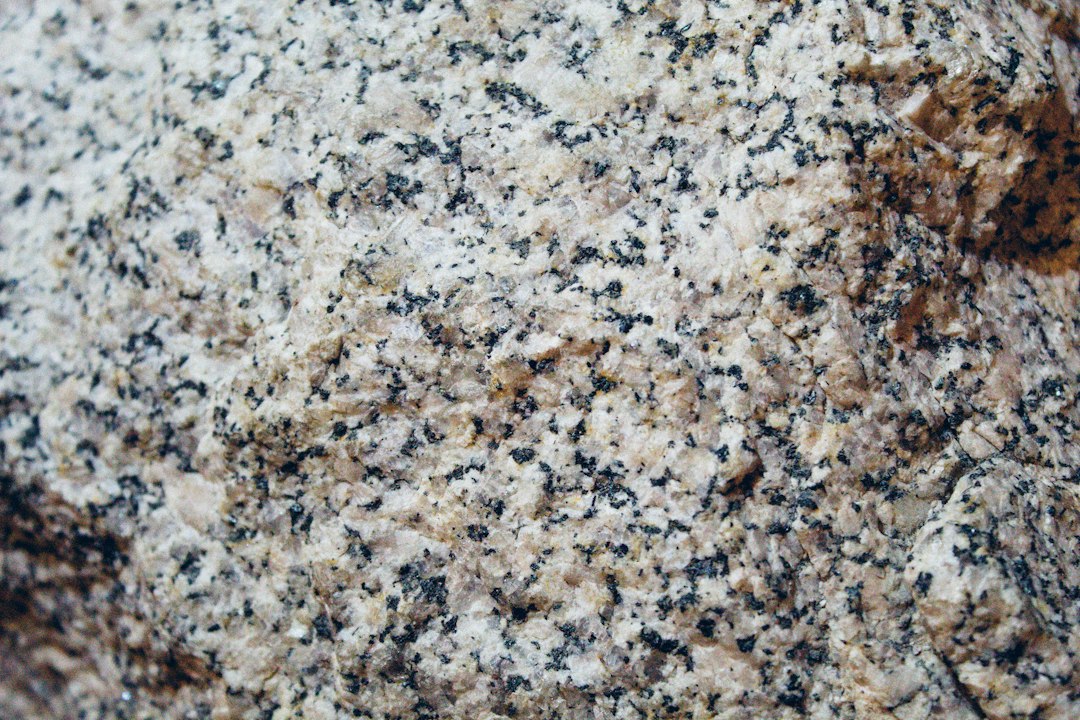
Illustrative photo: Brian Wangenheim on Unsplash.
Editorial note
Kitchen products and manufacturer instructions vary. When a product manual conflicts with general guidance, follow the instructions for your exact model.