To clean laminate countertops, wipe with a soft damp cloth and mild dish detergent, remove the detergent with a clean damp cloth, and dry the surface. Keep water away from open seams and exposed edges. A stubborn mark is a reason to check the care guide, not automatically to scrub harder.
This guide covers ordinary decorative laminate. Painted, refinished, or specialty surfaces may need different products. If you do not know the material, check an invoice or ask the installer before choosing a stain remover.
Check the seams before getting started
Move small items aside and look around the sink, backsplash joint, and countertop edges. Identify any raised joint, loose edge, or exposed base material. Formica specifically warns against flooding laminate near seams because water can enter and swell the substrate.
For an intact counter, prepare mild dish detergent, water, and separate soft cloths for washing, rinsing, and drying. At a damaged edge, avoid wet cleaning that could feed water into the opening; ask the installer how to protect and repair it.
A gentle cleaning sequence
- Lift loose debris. Pick up crumbs with a soft cloth so you are not dragging particles across the surface.
- Wipe a small section. Use a damp cloth with a little mild detergent. Start with ordinary food splashes and grease; use light pressure.
- Remove the cleaner. Wipe again with a separate cloth dampened with clean water. Rinse the cloth as it collects residue. Do not pour rinse water across the counter.
- Dry before moving on. Use a soft dry cloth, paying attention to joints and the area around the sink.
Working in sections makes it easier to see whether a mark has changed. It also gives you a clear stopping point if the finish looks different after cleaning.
When a mark does not lift
Check the laminate brand’s instructions for the exact stain. Wilsonart allows specific additional methods for its products but warns that excessive pressure and repeated abrasive scrubbing can damage the decorative finish. Permission for one brand or finish is not permission for every laminate counter.
For an unidentified surface, stop after gentle washing rather than experimenting with powders, solvents, bleach, or oven cleaner. Do not use steel wool. If a mark stays put, photograph it in good light and send the picture, cleaner name, and surface details to the manufacturer or installer.
Cleaning cannot reverse every change
A raised seam, blister, or lifted edge needs a different response from a spill. Do not try to level the area by sanding or scraping it. Keep a short record of where the damage appears and whether it changes; this helps the installer assess the problem.
Protect the surface from future heat with a suitable trivet and use a cutting board. For help choosing one, see our cutting board guide. Keep the surrounding workspace manageable with our guide to organizing kitchen counters.
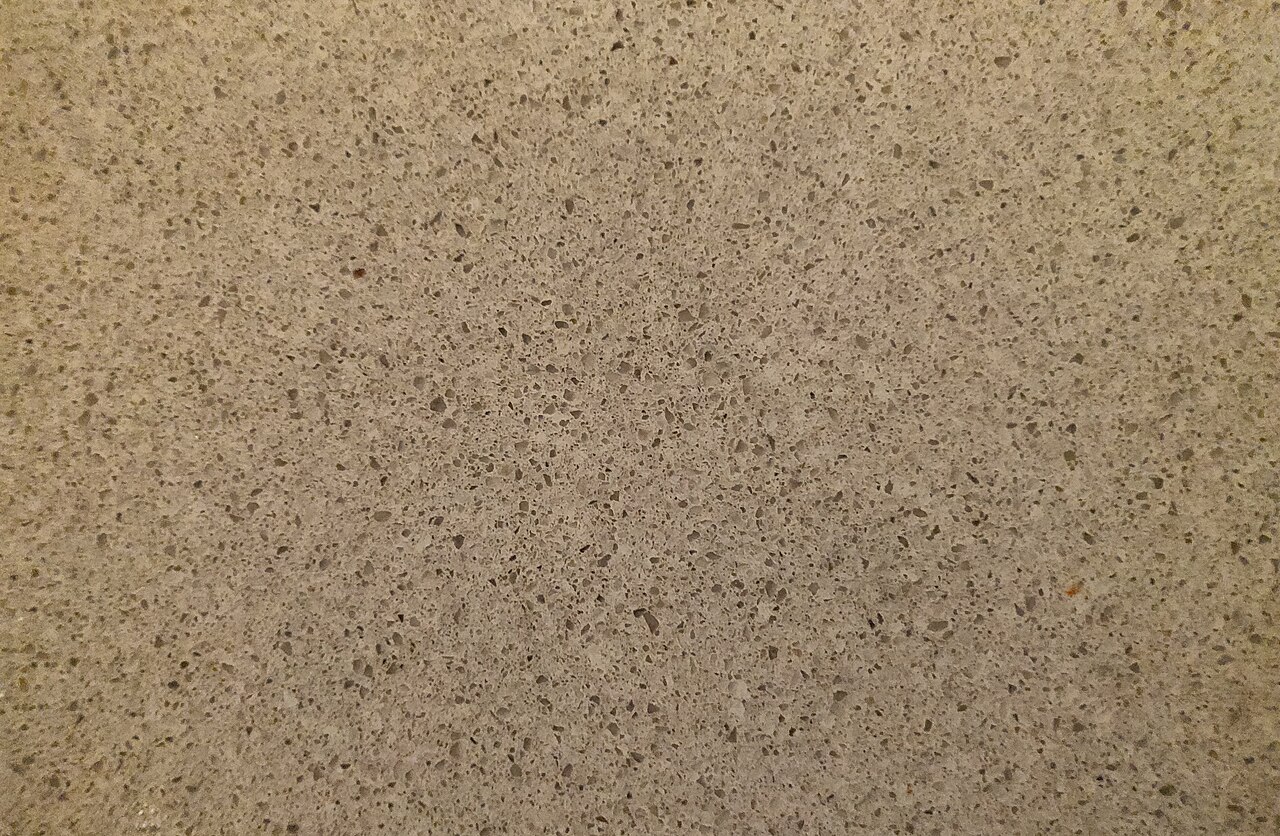
Featured image: Beige laminate kitchen countertop by Kurtkaiser, via Wikimedia Commons, CC0 1.0. No editorial alterations; display sizes may vary.
Manufacturer references
Editorial note
Kitchen products and manufacturer instructions vary. When a product manual conflicts with general guidance, follow the instructions for your exact model.