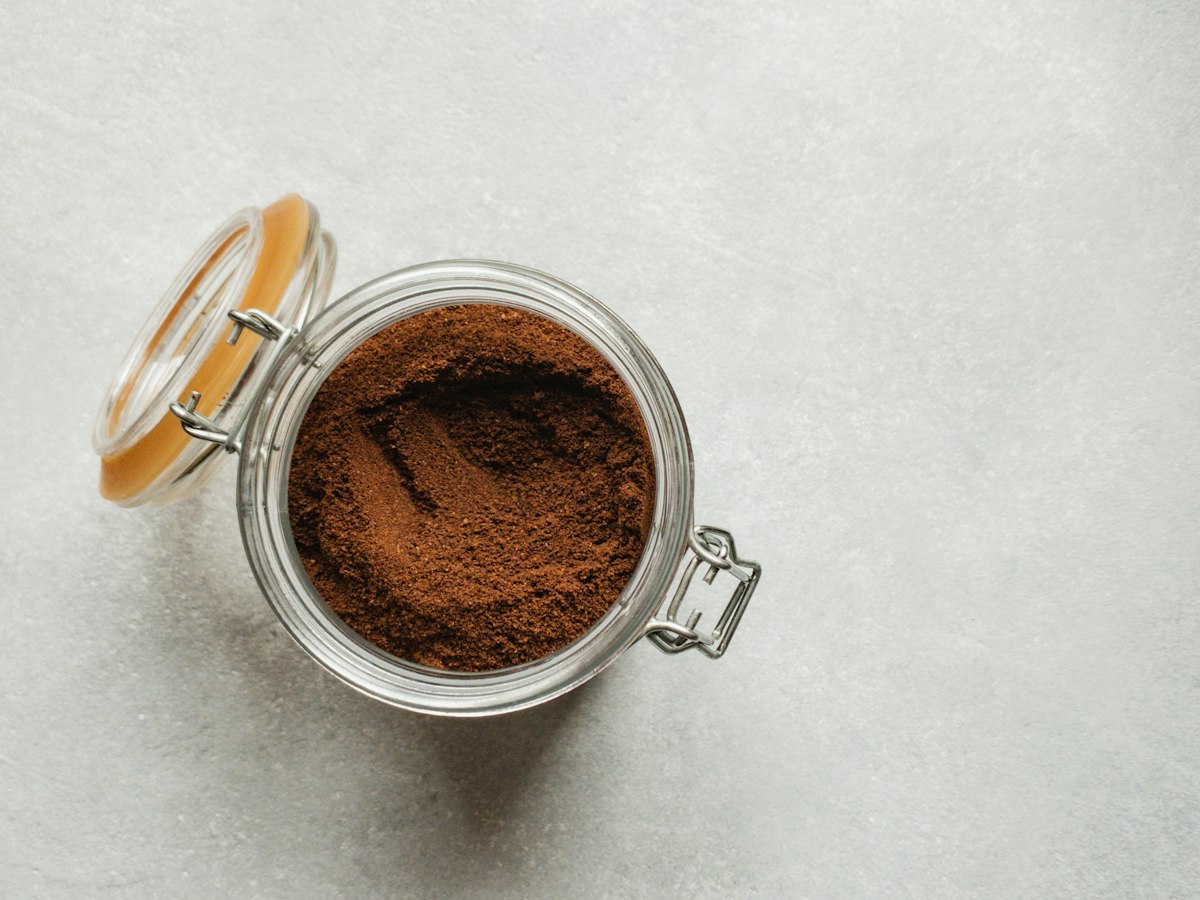
Store cocoa powder in a tightly closed container in a cool, dry cupboard, following the package instructions. Keep water, steam and strong odors away. Preserve the cocoa type and original date information, because natural cocoa, Dutch-process cocoa and sweetened drink mixes are different products.
Identify the cocoa before transferring it
Read the front and back of the package. Look for unsweetened cocoa powder, natural cocoa, Dutch-process or alkalized cocoa, black cocoa, or a sweetened drinking-chocolate mixture. A brown powder in a matching jar becomes much less useful when no one can identify the product.
Keep the ingredient list and any allergen information. A drink mix may contain sugar, milk ingredients or other additions, so its instructions cannot be assumed to match plain cocoa. Preserve the brand, lot details and best-before information if you decant the contents.
This first step also helps with baking. King Arthur Baking explains that cocoa types differ and that the recipe’s leavening can affect which type is appropriate. Storage does not make them interchangeable. Write the actual type on the jar instead of the single word chocolate.
Choose a location away from steam and heat
Select a cupboard that stays dry during cooking and is protected from direct sunlight. Avoid a shelf immediately above a boiling kettle or beside a hot oven vent. A convenient baking station should not expose the open container to steam each time you measure an ingredient.
Follow the temperature advice on the package rather than assigning one universal target to all cocoa products. Valrhona, for example, gives a specific cool, dry storage range for its cocoa. Your product may have different printed guidance, especially if it is a mixed powder rather than pure cocoa.
Check the cupboard for dampness and odors. Keep cocoa away from cleaning products and strongly scented materials. If the storage area repeatedly becomes wet, move the food and address the cause. A tightly fitting lid helps, but it is not a substitute for a suitable environment.
Use sound packaging or a clean, dry food container
The original package may be suitable if its closure works properly and the material remains intact. Wipe loose powder away from the sealing area before closing. If the package cannot close well, place it in a suitable outer food container or transfer the cocoa to one.
Wash a reusable container as needed, then let the lid and any removable seal dry completely before filling. Do not judge dryness only by the outside. Moisture in a lid groove can be introduced to an otherwise dry powder when the container is turned or shaken.
Choose a container sized for the amount you use. A wide enough opening makes it easier to measure without spilling cocoa across the seal. Avoid an oversized jar that is awkward to lift or a decorative container with no reliable closure. Make the practical seal the priority.
Keep scoops dry and work away from mixing bowls
Use a clean, dry measuring spoon or scoop. Measure the cocoa into a separate bowl or onto the scale as your recipe requires. Do not dip a spoon that has already touched milk, butter or batter back into the stored powder.
Close the cocoa before moving to wet ingredients. This simple sequence reduces the chance of a splash entering the container. It also keeps flour and other powders from accumulating around the rim while you continue baking. A dedicated scoop can help, but it still needs to remain clean and dry.
Do not return sifted cocoa mixed with flour or another ingredient to the original jar. Keep the measured mixture with the recipe or discard it appropriately if it has been contaminated. Returning leftovers to the storage container can alter both its contents and its allergen information.
Label opening dates and rotate identifiable batches
Write an opening date alongside the original best-before information. Opening a new container does not reset the manufacturer’s date. Keep different cocoa types in separate containers, and avoid pouring a newer bag into an older unidentified layer.
Choose a buying quantity that suits your baking frequency. A large bag may be economical for frequent use but inconvenient if it remains open through many warm, humid seasons. A smaller package can make quality management simpler without requiring elaborate equipment.
When refilling a jar, inspect the closure and clean it as needed. Keep the older batch accessible so it is used first. A short baking inventory can prevent a second nearly identical cocoa from entering the cupboard simply because the first was hidden behind flour containers.
Assess clumps and unusual changes carefully
A small dry clump can be a handling or texture issue, but clumping alone does not tell you the full storage history. Consider whether water entered, the package was left open near steam or the powder developed an unusual smell. Do not use a recipe to test a questionable supply.
Discard cocoa with visible mold, clear wet contamination or evidence of pests. Do not scrape off an affected top layer and assume the rest is sound. If the package is damaged or the product behaves unexpectedly, contact the manufacturer with the lot information and a description.
Do not judge cocoa type or quality by color alone. Natural, Dutch-process and black cocoas can differ greatly in appearance. Compare the contents with their own label and known condition, not with a different cocoa stored beside them. A normal-looking color is not a complete safety assessment either.
Avoid unnecessary refrigerator trips and simplify the station
For ordinary cocoa, use the package’s dry-storage guidance rather than moving the jar in and out of the refrigerator by habit. Morinaga’s cocoa guidance notes the risk of moisture associated with temperature changes and advises against refrigerated or frozen storage for its opened powder.
If your product gives different instructions, follow them and manage condensation according to the manufacturer’s advice. Do not open a cold container in a steamy kitchen without considering moisture. The goal is a stable, appropriate environment, not simply the lowest available temperature.
At the baking station, keep cocoa near related dry ingredients but with a clear label and an easy-to-clean measuring area. Return the lid promptly, wipe the outside if needed and keep the shelf dry. These small habits protect the supply better than repeatedly transferring it between attractive containers.
Frequently asked questions
Should cocoa powder go in the fridge?
Follow its package guidance. Ordinary cocoa is commonly kept in cool, dry storage; repeated cold-to-warm movement can introduce moisture. Some manufacturers specifically advise against refrigeration.
Can I combine natural and Dutch-process cocoa?
Keep them separate unless you intentionally want a blend and can label it accurately. Recipes may depend on the cocoa type.
Are clumps always mold?
No, but clumps do not prove the powder is sound either. Consider moisture, odor, pests and package condition. Discard a clearly contaminated supply.
Can I put a used measuring spoon back into the jar?
Only if it is clean and completely dry. A spoon that touched wet ingredients should not return to the stored cocoa.
Related KitchenVeyra guides
Sources and further reading
The manufacturer references below apply to the products or models they describe. The organization examples and checklists in this guide are practical suggestions.
- Valrhona: cocoa powder storage guidance
- Morinaga: opened cocoa storage
- King Arthur Baking: cocoa types explained
Illustrative photograph: Anastasia Eremina on Unsplash.
Editorial note
Kitchen products and manufacturer instructions vary. When a product manual conflicts with general guidance, follow the instructions for your exact model.