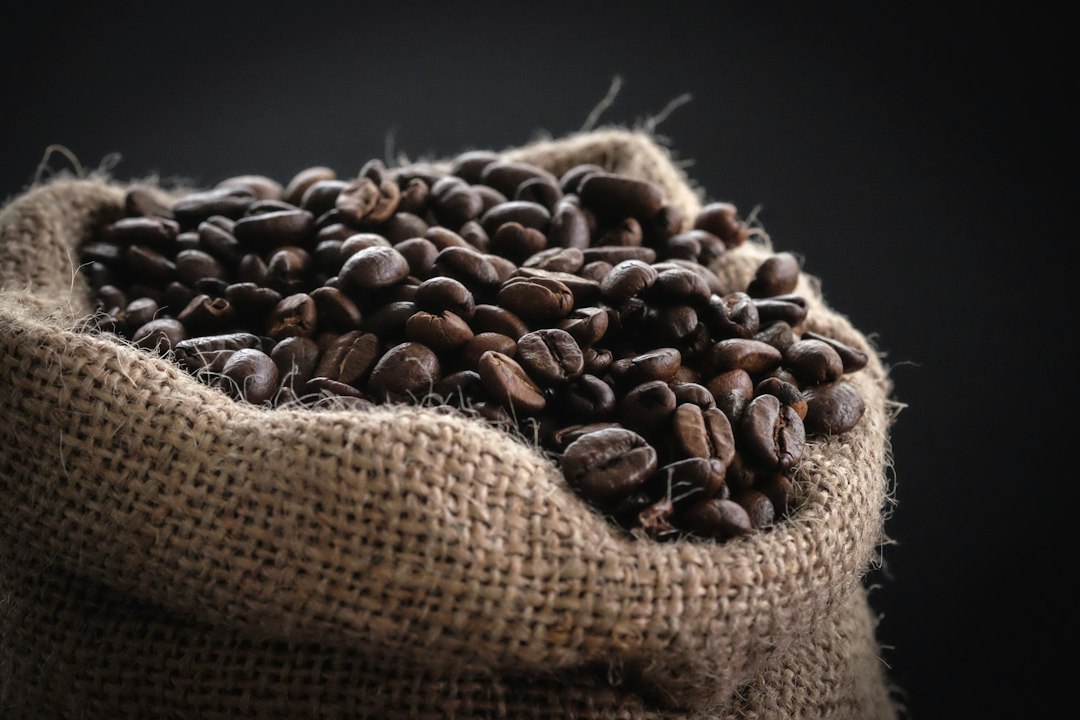
Store roasted coffee beans in an airtight container or a suitable resealable coffee bag, in a cool, dark, dry cupboard away from steam and strong odors. Keep a manageable amount for daily brewing and grind only what you need. These instructions concern dry roasted beans, not brewed coffee or cold brew.
Start with the coffee you actually use
Before buying a storage canister, check how much coffee your household drinks and how quickly an opened bag is used. A large attractive container does not help if it encourages you to buy more than you can enjoy while the flavor is at its best.
Write down the bag size, opening date and typical brewing dose for one week. You do not need a formal spreadsheet: a note on the bag is enough. The aim is to choose a practical purchase size, not calculate a guaranteed freshness deadline.
The National Coffee Association’s storage guidance recommends small, frequent purchases and protection from air, moisture, heat and light. Translate those principles into a routine you can follow each morning instead of adding equipment you will not use.
Pick a suitable container or keep a well-designed bag
Choose a food-storage container that closes securely, is easy to clean and can be dried completely. An opaque canister is convenient on an exposed shelf; a clear jar needs a dark storage location. Check the lid and any gasket rather than assuming every decorative jar is airtight.
A purpose-designed coffee bag with an intact resealable closure may be practical for the current supply. Close it properly after use and follow the roaster’s instructions. If the bag cannot be sealed effectively, put the coffee in an appropriate container rather than leaving the opening clipped loosely.
Do not transfer beans into a jar that still smells of spices, detergent or a previous food. Start with a clean, dry container. If you wash a canister, let the lid grooves and gasket dry as well as the visible walls before adding coffee.
Step 1: Choose a cool, dark location away from steam
Look for a cupboard away from the oven, dishwasher and direct sun. Consider what happens there during real use: a shelf that seems cool in the morning may become warm when dinner cooks or fill with steam when the dishwasher opens.
Keep coffee away from a kettle spout and the area beneath an overhead vent. A brewing station can hold cups and equipment without requiring the main bean supply to sit directly beside the source of steam.
Separate coffee from strongly scented supplies. Do not store it with cleaners, scented candles or open spice packets. If cupboard space is limited, give beans a small defined section rather than tucking them wherever the latest jar happens to fit.
Step 2: Label the supply before discarding the packaging
Retain the coffee name, roast information, best-before date and any storage instructions. If you decant, put that information on the container or keep the original label with it. This makes it easier to distinguish an older batch from a newly opened one.
Write the opening date separately. A best-before date and an opening date answer different questions. Neither should be presented as a universal point at which every coffee suddenly loses all flavor or becomes unsafe.
Avoid pouring a fresh bag on top of the remains of an old one. Use the older coffee first, then clean and dry the container as needed. Separate batches are easier to identify, compare and rotate than a continuously refilled jar.
Step 3: Keep daily handling dry and brief
Open the container when you are ready to measure, use a clean dry scoop or scale setup, and close the supply promptly. Do not leave the lid off while heating water, grinding, answering messages and preparing the rest of breakfast.
Measure away from steam and splashes. If the scoop touches a damp surface, wash and fully dry it before returning it to the beans. Avoid putting unused coffee back into the main supply after it has sat in a wet brewer or dirty measuring cup.
Do not use the grinder hopper as long-term storage without considering the grinder’s instructions and the room conditions. Keep the quantity there appropriate to the machine and your routine. A hopper beside a sunny window is not the same environment as a closed cupboard.
Whole beans and ground coffee need different planning
Whole beans let you grind the amount required shortly before brewing. Ground coffee has already been divided into smaller particles, so buy and store it with particular attention to a secure closure and a manageable pack size.
You do not need to discard a useful ground-coffee product simply because whole beans offer more control. Choose the format that suits your equipment, then protect it properly. A simple well-managed bag can be more practical than a complicated storage system that is left open.
If flavor changes, check preparation before blaming storage alone. Grind setting, dose, water and the brewer’s condition can affect the result. Our guide to cleaning a coffee grinder helps you distinguish a storage question from residue in the equipment.
Should you refrigerate or freeze coffee beans?
For a small supply used regularly, a suitable cool cupboard is the simplest starting point. Do not automatically put your daily canister in the refrigerator. Repeated handling of a cold container in a warm kitchen creates an additional moisture-management problem.
The National Coffee Association notes differing views on cold storage and emphasizes truly airtight packaging if coffee is refrigerated or frozen. Follow any roaster-specific advice, especially for a specialty product with its own handling directions.
If you choose to freeze a reserve, portion it in suitable airtight packaging so you are not opening the same bulk supply every day. Label it clearly and keep the daily portion separate. Manage temperature changes according to the packaging and roaster guidance, keeping moisture out of the coffee. Do not treat cold storage as a way to restore beans that already taste stale.
Troubleshoot weak flavor or unexpected odors
Compare like with like before changing the whole routine. Use the same brewing method and dose when assessing a storage change. Otherwise, a new grind setting or a dirty brewer can disguise whether the container actually helped.
| Observation | Check first |
|---|---|
| Coffee seems less aromatic | Age of the opened batch, closure and storage location. |
| Unexpected spice or detergent odor | Container history and nearby scented products. |
| Flavor differs despite fresh beans | Brewing dose, grind, water and equipment cleanliness. |
| Beans became damp or show mold | Do not try to rescue them by drying or freezing; discard affected coffee. |
Do not use the smell of roasted coffee as a test for every possible safety problem. These storage steps are intended to preserve a dry product’s quality. A package with water damage, pests or obvious contamination needs a different decision from one that simply tastes less lively.
Design a small coffee-storage station
Place the current supply, dry scoop and brewing instructions together. Keep cleaning brushes and detergents in a separate area. That separation makes it harder for a damp cleaning tool to be returned to the coffee container by mistake.
Choose a container opening that lets you measure without spilling beans down the sides. Put a label where it remains visible when the container is on its normal shelf. The more effort it takes to read or close the container, the less likely the system is to survive a busy morning.
Clean the brewer on its own schedule. Our guide to cleaning and descaling a drip coffee maker covers that separate task. Good bean storage cannot remove old residue from a carafe or correct a machine that needs maintenance.
Frequently asked questions
Is a glass jar always unsuitable?
No. A securely closed food-storage jar can be practical in a dark cupboard. Clear glass left in sunlight does not provide the same protection.
How long will an opened bag taste fresh?
There is no exact answer for every roast, package and household. Follow the roaster’s advice, buy manageable quantities and keep track of opening dates instead of promising a fixed extension.
Does this apply to brewed coffee?
No. Prepared drinks and cold brew have different storage and food-safety requirements. This guide covers dry roasted beans and dry ground coffee.
Sources
Illustrative photo: Tina Guina on Unsplash.
Editorial note
Kitchen products and manufacturer instructions vary. When a product manual conflicts with general guidance, follow the instructions for your exact model.