Store dry loose leaf tea and tea bags in securely closed food-safe packaging, away from light, heat, moisture and strong smells. Keep the package information and opening date, and separate strongly flavored blends. This guide covers dry tea, not prepared tea, fresh herbs or specialty products with refrigeration instructions.
Sort your tea before buying more containers
Take out the dry tea you already own and group it by format: loose leaf, individually wrapped bags and bags inside a larger opened packet. Keep unidentified tea separate until you can confirm what it is. Do not guess ingredients from leaf color, especially when someone needs to avoid a particular ingredient.
Retain brand, blend, best-before information and preparation directions. A tea collection is harder to use when every item has been poured into an identical unlabeled tin. Keep ingredient and allergen information with the product where relevant.
Check condition before reorganizing. A sealed container is useful for protecting good tea; it does not fix tea that has become damp, moldy or contaminated. Discard unsuitable material rather than blending it into a fresh batch to make the storage shelf look tidy.
Choose containers that protect the tea you use
Twinings’ loose-tea guidance recommends an opaque airtight container in a cool, dark place. It also notes that a glass jar or sealed bag can be used when kept away from light. Choose a container for its closure and storage location, not simply because it matches the kettle.
For individually wrapped tea bags, the original wrappers can preserve useful product information. Arrange them in a clean dry box or drawer without opening all the wrappers for appearance. A decorative open tray is an organizer, not a replacement for protective packaging.
For loose leaves, use a clean food-storage tin or jar that closes properly. Check lid grooves and seals. Do not reuse a spice container that still smells strongly of its previous contents, and do not put tea into a recently washed container until it is completely dry.
Step 1: Find a shelf away from heat and steam
Avoid the cupboard directly over a boiling kettle or next to a hot oven. Watch the area while the kitchen is operating: a convenient tea shelf can receive steam every time someone fills a cup, even if it stays dry the rest of the day.
Choose a darker cupboard or drawer for containers that do not block light. Keep them away from cleaning products and strongly scented items. A shelf beside an open jar of spices creates a different environment from a shelf holding sealed cups and saucers.
Make the location accessible enough that the container is returned there after use. If the designated storage is inconvenient, the tea will gradually migrate back to the warm counter. Keep cups near the kettle if useful, while the main tea supply stays in a better place.
Step 2: Label identity, opening date and useful directions
Put the tea name on the front or lid where it can be read without opening the container. Add an opening date and retain the manufacturer’s date information. If you decant, transfer the original details accurately instead of writing an estimated expiry.
Keep important brewing instructions with the tea. A small label can hold the manufacturer’s dose and temperature instructions, or you can retain the packet inside a separate dry document pocket. Do not place inked loose paper directly among tea leaves unless the material is suitable for that contact.
Use a label that can be updated. When a container holds a different tea, remove the old name and check that its aroma has been cleaned away. A mislabeled tin creates confusion that no arrangement of matching jars can solve.
Step 3: Separate aromatic blends and preserve original packets
Store strongly scented blends separately from more delicate teas, with their own secure closures. This is particularly useful when the collection includes mint, heavily spiced blends or flavored teas. It also makes it easier to choose the tea you intended without opening several containers.
Do not combine similar-looking leftover leaves unless you deliberately want a blend and have retained the relevant product information. A mixed tin loses the clear preparation directions and date history of each original tea.
Keep spare unopened packets behind the current supply and rotate them forward when needed. Do not refill an old partly used tin endlessly. Finish the older supply, clean and dry the container when appropriate, then start the new batch with a clear opening date.
Step 4: Keep scoops and hands dry during use
Measure the leaves before placing the container near steam. Use a dry spoon or dedicated scoop, then close the container. Avoid holding the open tin above a steaming cup while measuring one spoon at a time.
If the spoon touches water or wet leaves, wash and dry it before putting it back into dry tea. Do not return unused leaves from a wet infuser to the main supply. Dry tea storage and used-leaf handling should remain separate tasks.
For bags, take out the number required and close the outer packet. Keep extra wrapped bags away from splashes rather than spreading them across the preparation area. A small tray for the used bag can help keep moisture away from clean wrappers and storage tins.
Arrange a tea drawer that is easy to maintain
Give frequently used tea an accessible row and keep occasional blends behind it. Simple dividers can hold wrapped bags upright, while labeled containers protect loose leaves. Leave enough space to remove one item without tipping the next three over.
Choose categories that reflect how your household actually looks for tea: by blend, by person or by time of use. Do not label a blend caffeine-free or allergen-free unless its product information supports that description. Convenience labels should not invent claims.
A small current-supply area and a separate reserve area can stop the drawer from growing into a pile. Use our guide to organizing kitchen drawers for measuring and dividing space, adapting the method to dry packaged tea.
Freshness questions: quality dates are not a magic reset
Follow the package’s storage and date guidance rather than assigning the same shelf life to every tea. Ingredients, packaging and handling differ. An airtight tin can protect tea, but transferring it does not restart its age.
If a tea tastes weaker than expected, check the manufacturer’s brewing instructions before assuming it is spoiled. Dose, water and steeping can change the result. Avoid repeatedly adding extra leaves simply to mask an unexplained off odor.
If you see mold, damp clumps, pests or other contamination, discard the affected product. Do not try to dry it in the oven or use boiling water as a rescue step. Keep an ordinary flavor-quality question separate from visible evidence that the product should not be used.
Do you need to refrigerate ordinary dry tea?
For ordinary shelf-stable dry tea, follow the package and use an appropriate dry cupboard. Do not introduce a refrigerator routine simply because cold storage sounds more protective. A frequently opened cold container needs careful moisture management.
Some specialty tea products have specific manufacturer instructions that differ from ordinary pantry tea. Follow those instructions rather than applying this general guide to every product containing tea. Matcha, a prepared beverage and a tin of dry black leaves should not automatically share one rule.
If your kitchen is unusually hot or damp, ask the tea supplier for product-specific storage advice. First improve the packaging and move the supply away from steam. Do not assume that an unsealed jar in a refrigerator is better than a properly closed container in a suitable cupboard.
Troubleshooting and a simple weekly reset
Check for open packets, unreadable labels and tea left near the kettle. Close and return usable supplies to their places, and add frequently used items to the shopping list only after checking the reserve section. This prevents duplicate purchases without requiring a complicated inventory.
Wipe the shelf when necessary and let it dry before putting containers back. Clean the outside of a sticky tin so residue does not migrate onto your scoop or hands. Keep tea leaves out of the hinge or closure area where they can prevent the lid from seating.
Maintain the brewing equipment separately. Our guide to descaling an electric kettle explains model-specific cleaning. A neatly stored tea collection cannot correct a kettle that needs maintenance.
Frequently asked questions
Can I use clear jars?
Use a secure food-storage closure and keep the jar in a dark location. A clear jar on a sunny windowsill does not offer the same protection.
Should I remove individual tea-bag wrappers?
There is no need to remove useful protective packaging merely to organize the drawer. Keep product identity and directions available.
Does this cover brewed iced tea?
No. Prepared drinks require separate storage and food-safety guidance. These steps apply to dry shelf-stable tea.
Sources
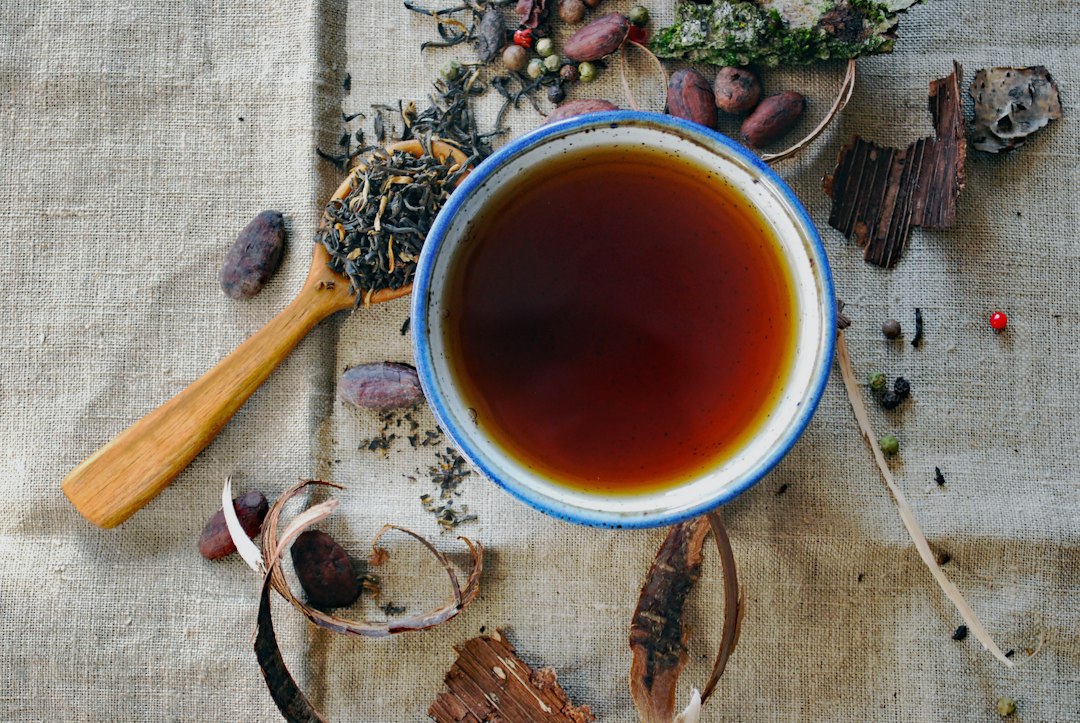
Illustrative photo: Drew Jemmett on Unsplash.
Editorial note
Kitchen products and manufacturer instructions vary. When a product manual conflicts with general guidance, follow the instructions for your exact model.