Store olive oil tightly closed in a cool, dark place away from the stove, oven, and direct sunlight. Keep it in suitable food packaging, note when you open it, and buy a quantity you can use while its flavor remains good. A convenient cabinet near the cooking area often works better than displaying the bottle beside a hot burner.
The North American Olive Oil Association identifies heat, oxygen, light, and age as the main enemies of olive oil quality. The practical challenge is arranging storage so those principles survive everyday cooking. This guide covers plain commercially packaged olive oil; homemade garlic or herb oils need separate food-safety guidance.
Choose the storage spot before choosing a dispenser
Look at the places you could put the oil, then observe how the kitchen is used. Does afternoon sun strike the shelf? Does the side of the cabinet become warm when the oven runs? Is the bottle close enough to a sink that the cap is often wet?
Choose a sheltered spot that stays reasonably cool during normal cooking. Avoid the shelf directly above the cooktop and a windowsill, even if they make the bottle easy to reach. Check the product label for any specific storage instructions.
Make the location convenient enough that you will actually return the bottle there. If a cabinet is crowded, clear a small stable area rather than balancing the oil behind several jars. A storage routine that requires unloading half the shelf tends to fail when dinner is busy.
Our guide to organizing kitchen counters can help you create working space without keeping every ingredient beside the stove.
Keep the original packaging when it works well
The original bottle or tin keeps the product name, date information, lot details, and storage directions together. Leaving the oil in that packaging is often the simplest choice. An opaque container or dark glass can reduce light exposure, but the storage location and a properly closed cap still matter.
Do not choose a decorative cruet solely because it looks attractive. Check that it is intended for food use, closes properly, and can be cleaned and dried. A clear bottle kept in a sunny place is a poor trade for a protected original package.
Inspect a dispensing closure for loose parts, cracks, or buildup. If you decant, keep the original label or photograph it so the new bottle is not disconnected from its identity. A small label with the oil name and opening date can be enough for ordinary tracking.
Match bottle size to your actual use
Before buying a large container, estimate how quickly your household finishes a smaller one. Do not assume a bulk purchase saves money if the last portion sits unused for a long time. Count the oil you actually use for cooking and finishing, rather than an optimistic future meal plan.
For example, a household using roughly 250 milliliters a month would take about four months to finish a liter. That arithmetic is a planning example, not a promised shelf life. The oil’s age, packaging, quality, and storage conditions still influence how it tastes.
If you use different oils for different tasks, consider smaller bottles for the ones you reach for less often. Keep unopened backup containers behind the open bottle and avoid opening several nearly identical products at once.
The association’s storage video advises using opened olive oil within a few months for quality. Treat that as general guidance alongside the specific product’s dates and instructions, not a universal expiration rule.
Use a small pouring bottle without endless topping up
If a large container is awkward to handle, a smaller food-safe pouring bottle may make cooking easier. Use a clean, completely dry bottle and a clean, dry funnel if needed. Transfer only the amount you reasonably expect to use, then close both containers.
Do not continually add fresh oil on top of old oil. Let the working bottle empty, wash it according to its care instructions, and dry it fully before refilling. This creates a clear point for checking the inside and updating the date.
Choose a closure you can actually close after pouring. A dust cover or permanently open spout may not seal as well as a proper cap. If you prefer a pouring spout, check its design and keep the main storage supply tightly closed.
Keep water, breadcrumbs, and used utensils out of the oil. Do not return oil from a serving dish or pan to the storage bottle. Wipe drips from the outside so the label and cap stay easy to handle.
Track dates without creating unnecessary paperwork
Write the opening date on the label or a small piece of removable tape. Keep the printed best-before information visible. If the oil is decanted, copy the useful details instead of replacing them with an unlabeled matching bottle.
A simple oil inventory needs only the name, open or unopened status, and approximate amount remaining. Review it before shopping so a half-used bottle does not disappear behind new purchases. Our pantry labeling guide explains how to retain original package information.
Do not treat a best-before date as a guarantee that poor storage has no effect before that day. Equally, avoid inventing an exact discard date from a general internet chart. Follow the package instructions and assess quality sensibly.
Recognize a quality problem and its limits
If the oil smells distinctly stale or unpleasant compared with its usual aroma, do not keep using it just to avoid waste. Familiarize yourself with a newly opened bottle’s normal smell so changes are easier to notice later. Olive oils vary, and bitterness or a peppery sensation alone does not establish rancidity.
A smell check is a quality observation, not proof that any food is microbiologically safe. If the package is damaged, contaminated, or subject to a recall, follow the appropriate instructions instead of relying on tasting. Do not taste oil that may contain a cleaning chemical or unknown contamination.
For uncertainty about an unfamiliar flavor or cloudy appearance, contact the producer with the lot information. Temperature and product characteristics can affect appearance, so one visual change should not be used as a universal home test for authenticity or safety.
Handle other oils and infused products separately
| Product | Storage decision |
|---|---|
| Plain packaged olive oil | Protect from heat, light, and air; follow label directions |
| Specialty nut or seed oil | Check whether its label calls for refrigeration after opening |
| Commercial infused oil | Follow that product’s specific storage and use instructions |
| Homemade oil with garlic or fresh herbs | Use separate authoritative food-safety guidance; do not treat it as plain pantry oil |
A broad rule about olive oil quality should not override a refrigeration instruction on a different oil. Keep those products labeled and stored according to their own needs. This also prevents someone from moving a refrigerated specialty product into the pantry to make the collection look uniform.
Build a weekly habit that protects the oil
During your kitchen reset, check that caps are closed, wipe the shelf if needed, and bring the open bottle to the front. Look for a nearly empty working cruet that needs cleaning before the next refill. This takes less effort than rescuing a collection of sticky, unmarked bottles.
Reassess the setup when seasons change. A spot that was shaded in winter may receive afternoon sun later in the year. If a cabinet gets warm while baking, move the oil rather than trying to solve the problem with a prettier bottle.
Frequently asked questions
Should I keep olive oil beside the stove?
Choose a protected location away from major heat sources. A nearby cabinet is often convenient while reducing exposure to heat and light.
Does every cooking oil need refrigeration after opening?
No single rule covers all oils. Check the product label, particularly for specialty oils. Do not transfer instructions for plain olive oil to an unrelated oil.
Can I add garlic to my everyday oil bottle?
Do not treat homemade garlic or herb oils as ordinary shelf-stable olive oil. Those mixtures require separate tested food-safety instructions.
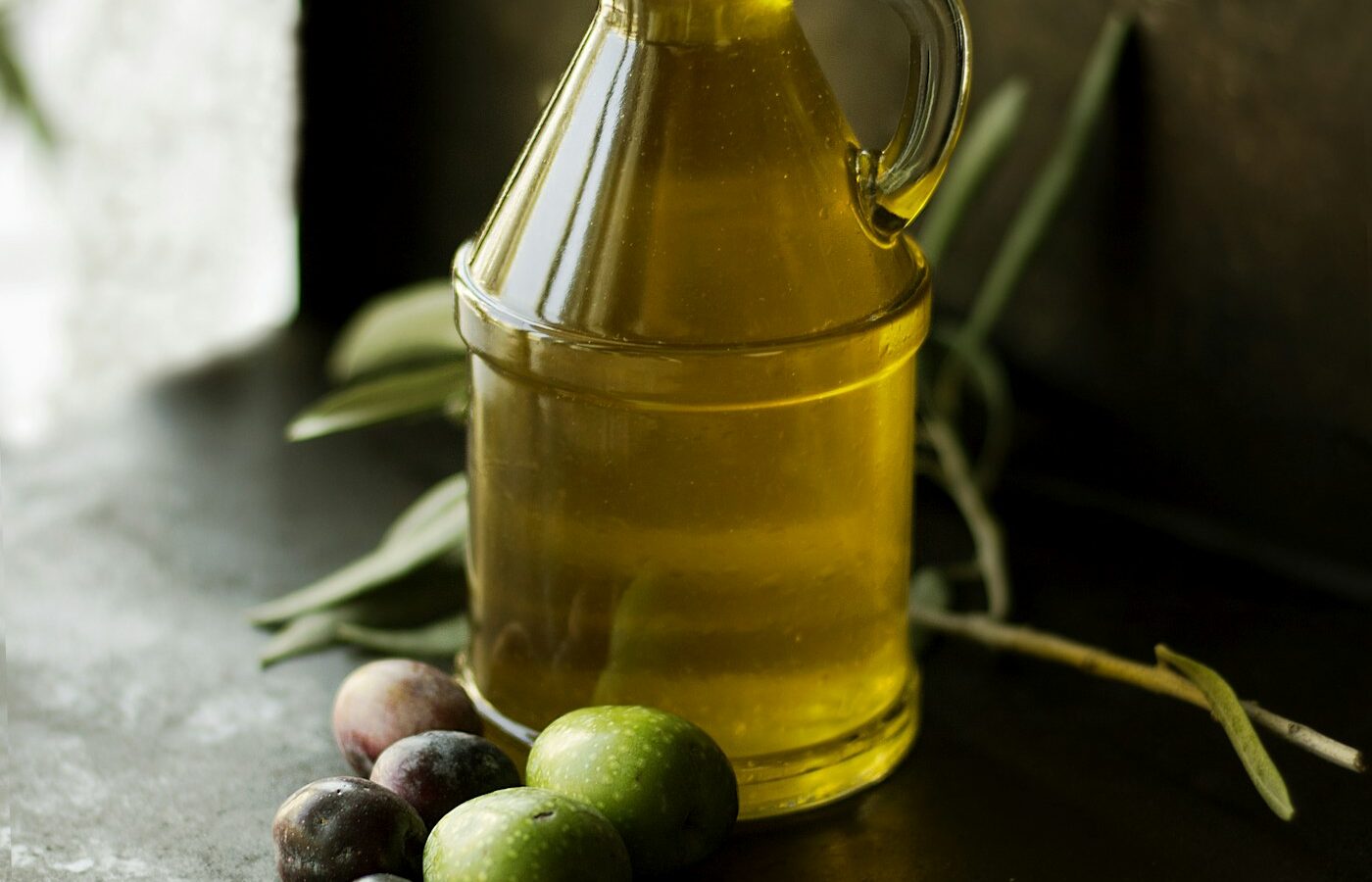
Is the photograph showing the recommended storage location?
The lead photograph illustrates olive oil. It does not demonstrate ideal long-term storage; keep the actual bottle closed and protected from light and heat.
Sources and care instructions
This guide provides general household guidance. Follow the instructions for your specific product where they differ.
- North American Olive Oil Association: storing and handling olive oil
- North American Olive Oil Association: storage tips
Illustrative lead photograph by Roberta Sorge on Unsplash. The photograph illustrates the topic; it is not a step-by-step demonstration.
Editorial note
Kitchen products and manufacturer instructions vary. When a product manual conflicts with general guidance, follow the instructions for your exact model.