Wash kitchen towels according to their fabric-care labels, using laundry detergent and a suitable cycle, then dry them completely before storing. Replace a towel during use when it becomes dirty or stays wet. Keep towels for hands, dishes and dirty cleanup tasks separate.
Give each towel a clear job
A towel used to dry a clean plate should not be the same one used to mop the floor or wipe raw-food drips. Decide which towels are for clean dishes, which are for hands and which cloths are for cleaning. Different colors, hooks or baskets make the distinction easier to maintain.
The American Cleaning Institute advises separating bathroom-cleaning cloths from those used on food-preparation surfaces and dishes. If a bathroom cloth has been used in the kitchen, address the affected dishes and surfaces as well as washing the cloth. Laundering the towel alone does not undo its earlier contact.
Do not depend on a decorative label if nobody else understands it. Put the clean dish towels near the dish-drying area and cleaning cloths near their own supplies. Explain the arrangement once so people do not have to guess which cloth is available.
Read the care label and check the towel’s condition
Kitchen towels can be cotton, linen, microfiber or a blend. Printed designs, decorative trim and specialty finishes can also affect care. Read the washing temperature, bleach symbol and drying instructions. Choose a routine the whole towel can tolerate, not one suited only to its main fiber.
Inspect seams and corners while sorting. A heavily frayed towel can catch on handles or leave lint on dishes. Retire badly damaged towels from clean-dish duty rather than trying to solve every problem with a stronger wash.
If there is no label, look up the manufacturer’s care information. A gentle initial wash may protect a decorative item, but it does not establish that the item is suitable for heavily soiled kitchen cleanup. For future purchases, choose towels with clear care instructions that fit your laundry routine.
Step 1: Collect used towels without keeping them damp
Hang a reusable towel spread out between appropriate uses rather than leaving it balled in the sink. Once it needs laundering, put it in a suitable collection area. Avoid sealing wet textiles in a closed bag or leaving them under a pile of damp laundry.
Change the towel based on its condition and task. A towel splashed with raw-food liquid needs to come out of use immediately; a cloth used to dry one clean dish presents a different situation. A fixed timetable is not a substitute for noticing visible soil, persistent moisture or an accidental dirty job.
Keep the laundry basket away from food-preparation surfaces. Wash your hands after handling dirty towels and before returning to food. If a towel is dripping, handle it so it does not trail dirty water across clean work areas.
Step 2: Sort and pretreat food stains
Separate towels according to color, material and the level of soil. Keep bathroom-cleaning rags out of the kitchen-towel load. Also separate very greasy cloths from lightly used dish towels so the wash can be selected for the actual load.
Remove loose food into the trash. Pretreat stains with a product compatible with the towel, following its label and testing colorfastness where directed. Do not put dishwashing liquid into the washing machine simply because the stain came from cooking.
For an unknown chemical spill, consult the product’s disposal and laundering guidance rather than adding the cloth to normal household laundry. This article covers ordinary kitchen use, not solvent-soaked rags or other hazardous cleanup materials.
Step 3: Choose detergent, cycle and temperature
Use a laundry detergent suitable for the washer and dose it for the load, soil level and water conditions according to the label. Extra detergent is not automatically extra cleaning; use the recommended measure rather than a generous unmeasured pour.
Select a wash cycle and water temperature permitted by the care label and appropriate to the soil. Do not overload the drum: towels need room to move. If your washer has a specific cycle recommended for that textile, follow its instructions.
If disinfection is required, ordinary washing should not be described as guaranteed sterilization. Use an appropriate labeled laundry disinfectant or bleach only if it is compatible with the fabric, washer and intended task. Follow the specified dose and procedure. Do not mix bleach with vinegar, ammonia or other cleaners.
Step 4: Inspect before drying
Remove the towels promptly after the wash. Check the stained areas in good light. A remaining food mark may need compatible pretreatment and another wash before drying; follow the stain-removal product’s instructions.
Notice how the towels feel as well as how they look. A slippery residue can indicate that the laundry routine needs attention. Review the detergent dose, load size and machine instructions instead of masking the problem with a fragrance product.
Check the washer if multiple unrelated loads smell musty. A towel routine cannot compensate for a machine that needs the maintenance described in its own manual. Keep this investigation separate from repeatedly washing a single towel that may simply be worn out.
Step 5: Dry completely and store in a clean place
Use the dryer setting allowed by the care label or air-dry as directed. Spread towels out when air-drying so wet layers are not pressed together. Check thick hems and folded edges before deciding the load is ready for the drawer.
Do not leave a partly damp load folded overnight. If a towel is still wet, continue drying using a permitted method. Air-drying is a drying option, not a claim of disinfection; sunlight should not be presented as a guaranteed substitute for a required laundry treatment.
Put clean towels in a dry drawer or basket that is protected from sink splashes and cleaning products. If you routinely run out, add enough towels to cover the time between laundry loads. A small reserve makes it easier to remove a dirty cloth promptly.
Troubleshoot odors, lint and poor absorbency
| Problem | What to check |
|---|---|
| Musty smell after storage | Complete drying, a dry storage space and the washer’s maintenance needs. |
| Greasy feel | Soil sorting, detergent dose, cycle selection and load size. |
| Lint on glassware | Whether the towel sheds, is worn or should be separated from lint-producing items. |
| Weak absorbency | Textile care instructions and possible product buildup; avoid adding more products blindly. |
Change one part of the routine at a time. For example, wash a smaller load with the correctly measured detergent and dry fully. That gives you more useful information than changing the temperature, detergent and three additives together.
If a towel remains unpleasant after a suitable wash and complete dry, retire it from kitchen use. Keeping a failing towel in the clean stack because it looks expensive does not improve the next load.
Set up a kitchen towel system that stays usable
Place a clean-dish towel away from dirty dishes and the sink splash zone. Give hand towels a separate position. Use disposable material or an appropriate dedicated cleanup method for messy raw-food spills rather than borrowing the clean-dish towel.
Make a small dirty-cloth collection point that does not overflow onto food-storage shelves. Keep reserve clean towels easy to access, especially during busy cooking. A visible replacement is more likely to be used than a towel hidden behind unrelated linens.
Review the nearby sink area too. Our guide to organizing under the kitchen sink can help separate cleaning supplies from items that should stay clean and dry.
Questions about washing kitchen towels
Should I wash every kitchen towel at the hottest setting?
Use the care label and the cleaning need to select the setting. The hottest setting on the washer is not suitable for every textile or trim.
Can I wash kitchen and bathroom cleaning cloths together?
Keep their tasks and laundry collection separate. ACI specifically cautions against mixing bathroom-cleaning cloths with those used for food-preparation surfaces and dishes.
Why does a clean towel smell again so quickly?
Check whether it is staying wet, being used for several jobs or returning to a damp storage spot. More perfume does not correct those conditions.
Sources
- American Cleaning Institute: Kitchen Towel and Bath Towel Mix Up
- CDC: When and How to Clean and Disinfect Your Home, laundry guidance
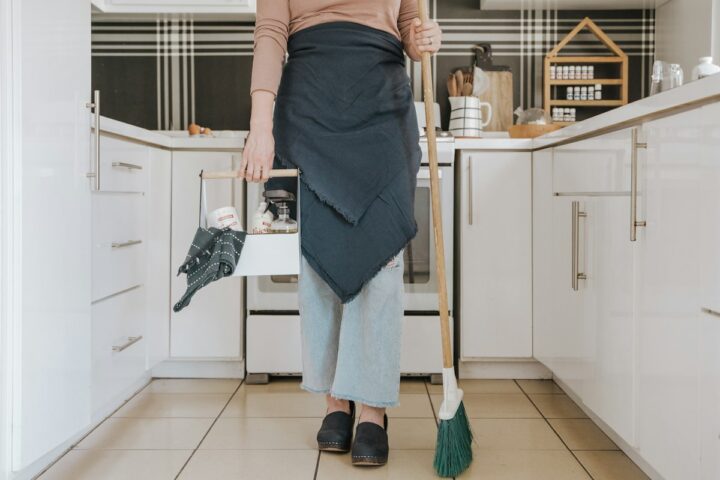
Illustrative photo: Priscilla Du Preez 🇨🇦 on Unsplash.
Editorial note
Kitchen products and manufacturer instructions vary. When a product manual conflicts with general guidance, follow the instructions for your exact model.