Clean a manual citrus juicer soon after use by removing seeds and pulp, washing its food-contact surfaces with dish soap and water, rinsing, and drying the parts. Check the material and the maker’s instructions before soaking, using a dishwasher, or applying an acidic cleaner.
Identify the juicer design and material
Manual citrus tools range from a one-piece glass reamer to a hinged metal squeezer or a plastic reamer fitted over a measuring cup. Their cleaning needs are not identical. Check whether the tool is solid metal, coated metal, glass, plastic or wood before choosing a cleaner or a wash method.
Find the care label or product page if you still have the model name. A silver-colored surface is not proof that the tool is stainless steel, and a brightly colored press may have a coating that needs gentle treatment. Treat damaged coatings or uncertain materials cautiously rather than testing a stronger cleaner.
Set out hand dishwashing liquid, a soft sponge and a small soft brush. A brush is useful for a seed strainer or a hinge, but metal picks can scratch a coating or enlarge a small hole. Clear the sink so seeds and detachable parts cannot slide unnoticed into the drain.
Remove seeds and pulp before they harden
Empty the juice into a suitable container, then tip seeds and loose pulp into the appropriate waste bin. Remove larger pieces with a soft brush or spatula that suits the material. Do not force pulp through the holes simply to make it disappear; that can leave fibers packed into the strainer.
Rinse the washable surfaces while the residue is still fresh. Turn the reamer to expose its grooves and rinse the underside of a removable strainer. With a handheld press, open it enough to see the inside of both cups while keeping fingers away from pinch points.
Avoid leaving citrus juice sitting on metal parts for hours. Prompt washing is usually easier than trying to remove a sticky dried layer later. This is also a useful moment to check for a chipped glass rim, a loose hinge or a flaking finish before the tool returns to regular use.
Separate only the parts intended to come apart
Some countertop reamers lift away from their collection cup, while others have a fitted strainer or a removable spout. Follow the product instructions. OXO’s small citrus juicer, for example, is designed to come apart for cleaning, but that feature should not be assumed for every manual press.
Place small washable components in a visible tray or bowl as you remove them. Take a quick reference photograph if the assembly order is unclear. Avoid pulling at a permanently fitted hinge pin or levering apart a seam that the manufacturer does not identify as removable.
If a part is stuck, do not use the cutting edge of a knife to pry it loose. Check whether dried pulp is holding an accessible joint and use a permitted gentle wash. A jammed or damaged mechanism may require replacement or manufacturer guidance rather than force.
Wash the grooves, holes and collection cup
Wash the reamer with soapy water and a soft tool, working along the grooves where pulp collects. Turn it over and clean its underside as well. For a strainer, brush from both sides so fibers lift out rather than compacting against the edge of each hole.
Wash the collection cup around the spout, rim, handle and measurement markings. Be gentle with printed graduations; abrasive scrubbing can make a useful measuring cup harder to read. If the cup has a non-slip base or removable ring, clean it only in the way the maker permits.
Rinse and inspect the strainer against the light. A few blocked holes can remain after the main surfaces look clean. Repeat a gentle wash where needed. Do not use a pointed metal tool to force a hole open, especially in plastic or coated components.
Clean a hinged squeezer without trapping your fingers
Hold the press by its handles on a stable surface or securely over the sink. Open the cups to clean their inner surfaces, rims and drain holes. Brush accessible residue around the hinge without moving the handles toward your fingers. Keep the tool controlled rather than allowing it to swing open freely.
Wash both sides of each pressing cup. Juice can run onto the outside, underneath the hinge and down the handle. These areas may feel sticky even when the main pressing surface has been rinsed. Use a soft cloth around textured grips and check any seams that are accessible without dismantling the tool.
Rinse in several orientations so wash water can escape. Avoid a prolonged soak unless the instructions permit it. If the hinge remains stiff after ordinary cleaning, do not apply household oil to a food-contact tool unless the manufacturer specifies a suitable lubricant and method.
Check dishwasher and stain-removal instructions
Only put the tool or its parts into the dishwasher when the maker approves them. Permission for a plastic collection cup does not automatically cover a metal pressing head, a wooden handle or a separate seal. Use the specified rack and avoid positioning small parts where they can fall through.
For discoloration or dullness, begin by identifying the material. Do not treat all metal juicers with vinegar, lemon juice or an abrasive paste. Acids and harsh scrubbing can be unsuitable for some metals and coatings, even though the tool normally touches citrus for a short period during juicing.
A stain that remains after proper washing is different from a surface that is peeling, pitted or rough. If the food-contact finish is damaged or a glass component is chipped, seek replacement guidance. Trying to polish away structural damage can make the tool less safe to handle.
Dry and store the tool as a complete set
Let the washed components drain, then dry accessible surfaces with a clean towel if appropriate. Leave the strainer and cup separated until moisture has evaporated from their contact points. With a hinged press, allow water around the joint to drain before putting it into a closed drawer.
Reassemble the tool when dry so the reamer and matching collection cup remain together. Give a handheld press enough space that its handles do not force a drawer partly open. Store glass parts where they cannot be struck by a heavy metal utensil.
For frequent use, make a small return routine: empty pulp, rinse promptly, wash, inspect the holes and dry. If the juicer is difficult to clean because the same inaccessible area repeatedly retains food, consider whether a different design with simpler removable parts would suit your kitchen better.
Frequently asked questions
Can I clean a manual juicer with lemon juice?
Do not assume the juice it extracts is a suitable soaking cleaner. Check the material and care instructions; ordinary dish soap and water are the starting point for most washable tools.
Is a citrus press always dishwasher-safe?
No. Coatings, handles and materials vary. Check the exact product and the individual components.
How do I remove pulp from tiny holes?
Rinse before it dries and use a small soft brush from both sides. Avoid forcing a metal pick through the holes.
Should I dismantle the hinge?
Only if the manufacturer provides that procedure. Routine cleaning normally focuses on accessible surfaces without removing a permanent pin.
Related KitchenVeyra guides
Sources and further reading
The manufacturer references below apply to the products or models they describe. The organization examples and checklists in this guide are practical suggestions.
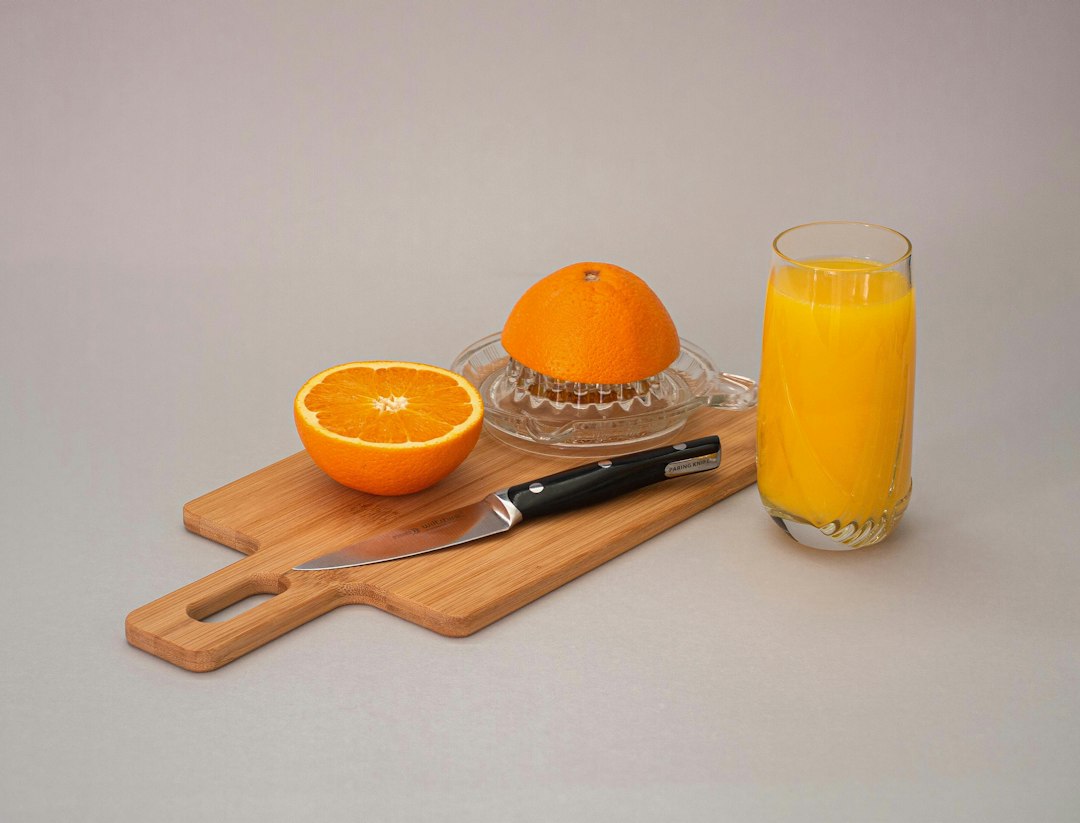
Illustrative photograph: Rae Wallis on Unsplash.
Editorial note
Kitchen products and manufacturer instructions vary. When a product manual conflicts with general guidance, follow the instructions for your exact model.