Wash a salad spinner’s basket and bowl with dish soap and water, and clean its lid according to the manufacturer’s instructions. Remove only the lid components designed to come apart. Rinse away trapped leaf pieces, let all parts dry, and check the mechanism before reassembly.
Understand which parts can be washed
A salad spinner usually has a slotted basket, an outer bowl and a lid containing a pump, crank or pull-cord mechanism. The basket and bowl may look simple, but the lid can contain enclosed parts that should not be forced open. Find the cleaning instructions for the exact version you own.
Look for an identified removable inner lid, a release ring or a marked clip. Some OXO spinners have a lid designed to separate for cleaning; a similar-looking model from another brand may use a different arrangement. Follow the diagram rather than assuming that a visible seam is a release point.
Prepare a soft dish brush, mild dish soap and a drying area large enough to keep the parts apart. Check the spinner for cracks, a damaged basket rim or a loose handle. If a part is broken, routine washing will not restore its structural strength.
Empty the bowl and remove loose leaves
After drying the greens, empty the outer bowl. Tip loose stems, leaf fragments and grit into the appropriate waste container. Check the underside of the basket, where small leaves can cling to the slots. Rinse away accessible debris before it dries into the plastic.
Do not rely on spinning clean water as the entire cleaning process. Rotation can move water around the bowl, but it does not necessarily reach the inner lid or dislodge food caught around the basket rim. Take the washable parts out so you can see and wash their surfaces.
Keep the food-preparation sequence clear: wash the produce according to its instructions, then use a clean spinner to remove excess water. A spinner dries leaves; it is not a substitute for appropriate produce washing and does not make contaminated greens sterile.
Wash the basket from the inside and outside
Wash the basket in soapy water using a soft brush or sponge suitable for its material. Work around the rim and down the sides, then turn it over and clean the outside. Brush lightly across the slots so leaf fibers lift away without bending the thin plastic ribs.
Pay attention to the bottom and the raised point or ring that engages with the bowl. A quick wipe around the top can miss residue lower down. If something has dried on, use a gentle wash or a short permitted soak rather than pushing a metal utensil through the openings.
Rinse in several orientations. Hold the basket up to the light and inspect it for blocked slots. If a rib is cracked or an edge has become sharp, stop using the damaged component and ask about a replacement. Do not trim broken plastic and assume the basket is restored.
Clean the bowl, base and rim
Wash the outer bowl inside and out, including the pouring edge if present. Lift it from the washing area to check the underside and any non-slip surface. Remove a base ring only when the manufacturer says it is removable; a permanently attached ring should not be peeled away for routine cleaning.
Use a soft tool, especially with clear plastic that can scratch or become cloudy after abrasive treatment. For a glass or steel bowl, follow the care requirements for that exact product. A metal-looking bowl may include other materials at the base or around the rim.
Rinse thoroughly and set the bowl where it can drain safely. Avoid balancing a large wet bowl on a small glass or leaving it across a crowded sink. The bowl should be clean before it is used for serving as well as before it is used for spinning.
Open and wash the lid as the maker directs
Stop the mechanism completely and remove the lid. If the manual shows a removable inner panel, release it using that method. Place the parts on a clear surface in their assembly order. Do not unscrew or pry apart a sealed gearbox, spring housing or pull-cord mechanism.
Wash the accessible food-contact lid surfaces, especially the channel near the rim and the underside that sits above the greens. A soft brush can help with a washable groove, but avoid forcing bristles into enclosed mechanisms. Clean the outer handle or pump according to the product instructions.
Rinse only the components approved for that treatment. If water or food appears trapped inside an inaccessible lid cavity, contact the manufacturer. Repeatedly soaking a part that is not intended for immersion can make the problem worse rather than solve it.
Decide whether the dishwasher is appropriate
Check the product’s care guidance for each component. A dishwasher symbol or statement may specify the top rack, a particular lid arrangement or exclusions. Do not assume the complete assembled spinner belongs in the machine because the basket is dishwasher-safe.
Load approved parts so spray can reach their surfaces and water can drain. Keep a light plastic basket secure without wedging it against a heating element or preventing the spray arm from moving. If the lid is meant to come apart, follow the maker’s loading instructions for those pieces.
Hand washing remains useful when you cannot confirm a part’s dishwasher compatibility. If a bowl has warped or the lid no longer fits correctly after washing, do not force the parts together. Ask for model-specific advice and review the cleaning method before using it again.
Dry fully and prevent recurring odors
Let the basket, bowl and approved lid pieces dry separately. Drain water from rims and channels without shaking the lid violently. A spinner put away while damp can retain moisture between nested surfaces even though its outside appears dry.
Check the lid’s accessible underside before reassembly. If there is an odor, look for trapped leaf fragments and persistent moisture. Do not mask the smell with a fragranced cleaner or add a chemical treatment that is not intended for the food-contact material.
Store the dry parts together with enough room that the lid is not forced under another heavy item. Before the next use, check that the basket sits correctly and the mechanism moves normally. A clean, dry spinner should be easy to assemble without pressure or improvised adjustments.
Frequently asked questions
Can I put the whole spinner in the dishwasher?
Only if the manufacturer approves every component in that configuration. The lid or mechanism may have different requirements from the bowl and basket.
Does spinning lettuce remove bacteria?
Spinning removes excess water. It does not sterilize leaves or replace produce-washing guidance. Follow package instructions for ready-to-eat greens.
Why does the lid smell after washing?
Inspect the accessible inner lid and rim for retained food, and let approved pieces dry separately. Ask the manufacturer about inaccessible contamination rather than forcing a sealed mechanism open.
Can I take the pump apart?
Remove only parts identified in the cleaning instructions. A removable inner panel does not mean the entire pump or spring mechanism is user-serviceable.
Related KitchenVeyra guides
Sources and further reading
The manufacturer references below apply to the products or models they describe. The organization examples and checklists in this guide are practical suggestions.
Illustrative photograph: Gabriel Mihalcea on Unsplash.
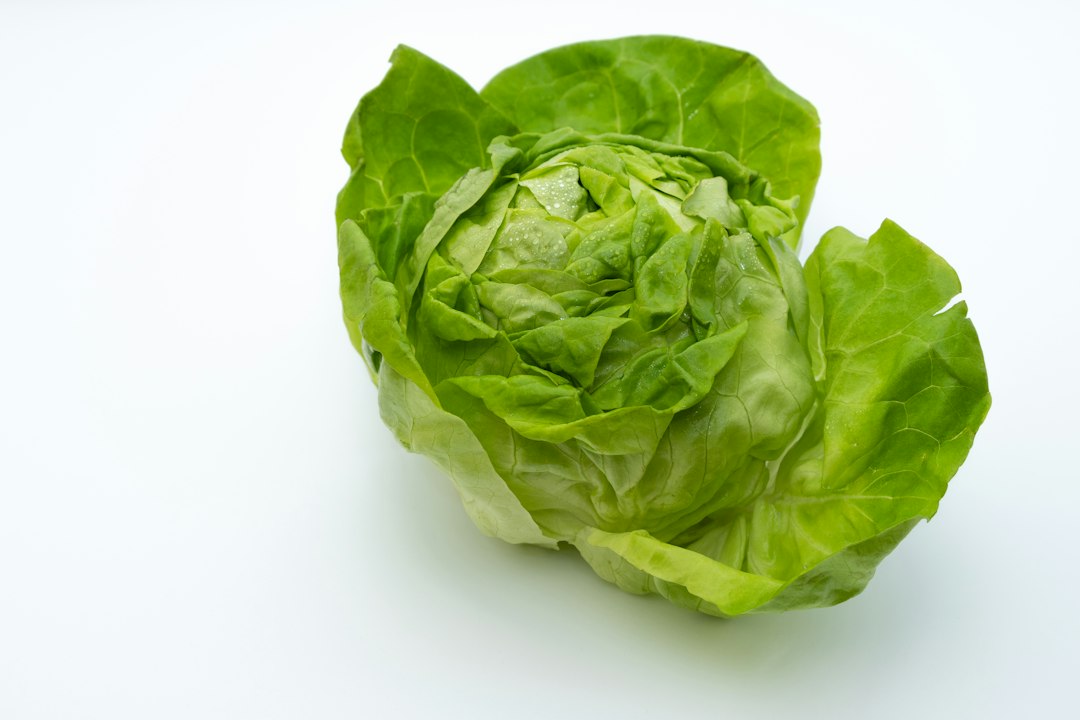
The featured photograph illustrates lettuce preparation; it does not show a salad spinner or a cleaning step.
Editorial note
Kitchen products and manufacturer instructions vary. When a product manual conflicts with general guidance, follow the instructions for your exact model.