Store commercially dried beans and lentils in a cool, dry, dark cupboard in sound packaging or clean, dry, tightly closed food containers. Keep the variety, date and package information with each batch. These pantry instructions apply to dry legumes, not soaked or cooked beans.
Start with the right type of product
Check that the beans or lentils are commercially dried pantry products. Canned beans, cooked lentils, fresh peas and soaked beans have different storage needs. The fact that two products come from the same plant family does not make their storage instructions interchangeable.
Read the package for the variety, best-before information and preparation directions. A bag of split red lentils will behave differently in a recipe from whole green lentils or large dried beans. Preserve those details when transferring the food into a different container.
Inspect the package for holes, broken seals, moisture or visible insects. Do not pour a questionable bag into a large healthy batch. Keep it separate while you assess the problem. Storing a damaged package inside a neat jar does not undo contamination that may already have occurred.
Choose a dry cupboard away from steam and heat
Look for a shelf away from the hob, dishwasher steam, direct sun and plumbing leaks. The cupboard should stay dry during normal kitchen use. A glass jar displayed beside a hot cooker may be convenient, but the location exposes its contents to unnecessary heat and frequent moisture.
Check the shelf before loading it. Remove spilled grains and inspect the corners. If the area has recurring condensation or a leak, resolve that issue first. A container helps protect food, but it should not become a reason to ignore a damp storage environment.
Keep the food off the floor and separate from household chemicals. Choose a shelf you can inspect easily. A dark rear corner is less useful if bags disappear there for years and no one remembers what they contain. Visibility and access support rotation as well as tidiness.
Use a suitable container without adding moisture
For an opened bag, choose a food-storage container with a lid that closes properly. Glass, metal or sturdy food-grade plastic can work when appropriate for the food and storage conditions. Make sure the container and lid are clean and completely dry before filling.
Do not wash the entire supply before pantry storage. Rinsing belongs in the preparation process for the portion you will cook, following the package directions. Adding damp beans to an airtight container creates a different situation from storing commercially dried food.
Choose a container that holds the amount you actually buy, leaving enough space to pour or scoop without spilling. A wide opening can make inspection and cleaning easier. Avoid repurposed chemical containers or packaging that was not intended for food, even if it appears clean.
Label varieties and keep batches separate
Write the bean or lentil variety, the purchase or opening date and the package’s best-before information on the container. Keep the original cooking instructions, lot details and allergen statements where relevant. A small clipped section of the package or a photograph can preserve information that a decorative label omits.
Do not continuously top up an old batch with a new bag. Use the older supply first, then wash and dry the container before refilling when needed. If you retain two batches, mark them clearly so you know which one to open first.
Keep mixed soup blends separate from plain beans and lentils. A seasoning packet or another ingredient can change the preparation directions and allergen information. Do not assume that an unlabeled mixed jar can be cooked using the instructions for whichever bean looks most familiar.
Plan rotation around the meals you actually cook
Choose a buying quantity based on your usual recipes. If a particular lentil is used only occasionally, a small bag may be more practical than a bulk sack. A lower price per kilogram does not help if the extra supply becomes difficult to inspect or use.
Place the open container toward the front and unopened reserve bags behind it. Keep a short list of what is already available before shopping. For example, separate red lentils for soup from chickpeas for a weekend meal so you do not buy another bag simply because the first is hidden.
Age can affect cooking quality, and older dried beans may take longer to soften. Utah State University describes this storage-related change. Keep quality expectations separate from safety: a known old, dry batch is not the same as a batch with moisture, mold or an insect infestation.
Respond to moisture, insects and unusual changes
Inspect the contents when you refill or open the container. Look for moisture, mold, insects, webbing or an unusual odor. Do not taste questionable food to decide whether it is acceptable. If water has entered or mold is present, discard the affected food rather than trying to dry it back into pantry condition.
For an insect problem, isolate the affected package and examine nearby susceptible dry foods. University extension guidance emphasizes removing infested products and cleaning storage areas. A bay leaf or a decorative jar label is not a reliable substitute for finding the source.
Clean and thoroughly dry the container before reuse. Avoid spraying insecticide onto food or food-storage surfaces as an improvised solution. Follow an appropriate pest-management recommendation if the problem persists, and keep new supplies protected while you check the surrounding cupboard.
Keep dry storage separate from soaking and cooking
When you are ready to cook, measure out only the amount you need and follow the package’s sorting, rinsing and cooking directions. Do not return wet, soaked or cooked beans to the original dry container. Use separate equipment and storage for prepared food.
Cooked beans and lentils are perishable foods. Refrigerate them promptly in suitable containers and follow reliable leftovers guidance. A tightly closed jar or a vacuum lid does not turn cooked legumes into a shelf-stable pantry product. Home canning is a separate preservation process requiring a tested method.
This guide concerns an everyday pantry, not a decades-long emergency storage system. Mylar bags, oxygen absorbers and large storage buckets introduce additional requirements. Use a specific validated storage plan for that purpose instead of treating an ordinary jar of opened lentils as equivalent.
Frequently asked questions
Should I rinse beans before putting them in a jar?
No. Keep the pantry supply dry. Rinse the portion you will prepare according to its package instructions, not the whole stored batch.
Can I mix new lentils with old lentils?
It is better to keep batches identifiable and use the older one first. Mixing can make dates, quality and cooking behavior harder to track.
Can cooked beans stay in a sealed pantry jar?
No. Ordinary sealing or vacuum packaging does not make cooked beans shelf-stable. They require appropriate refrigerated or frozen storage unless processed with a tested preservation method.
Does slow softening always mean the beans are unsafe?
Age can affect cooking quality. However, moisture, mold, insects or an uncertain storage history require separate caution; do not use cooking time as a safety test.
Related KitchenVeyra guides
Sources and further reading
The manufacturer references below apply to the products or models they describe. The organization examples and checklists in this guide are practical suggestions.
- Utah State University: storing dry beans
- University of Maine: storing and cooking dried beans
- UC IPM: pantry pest prevention
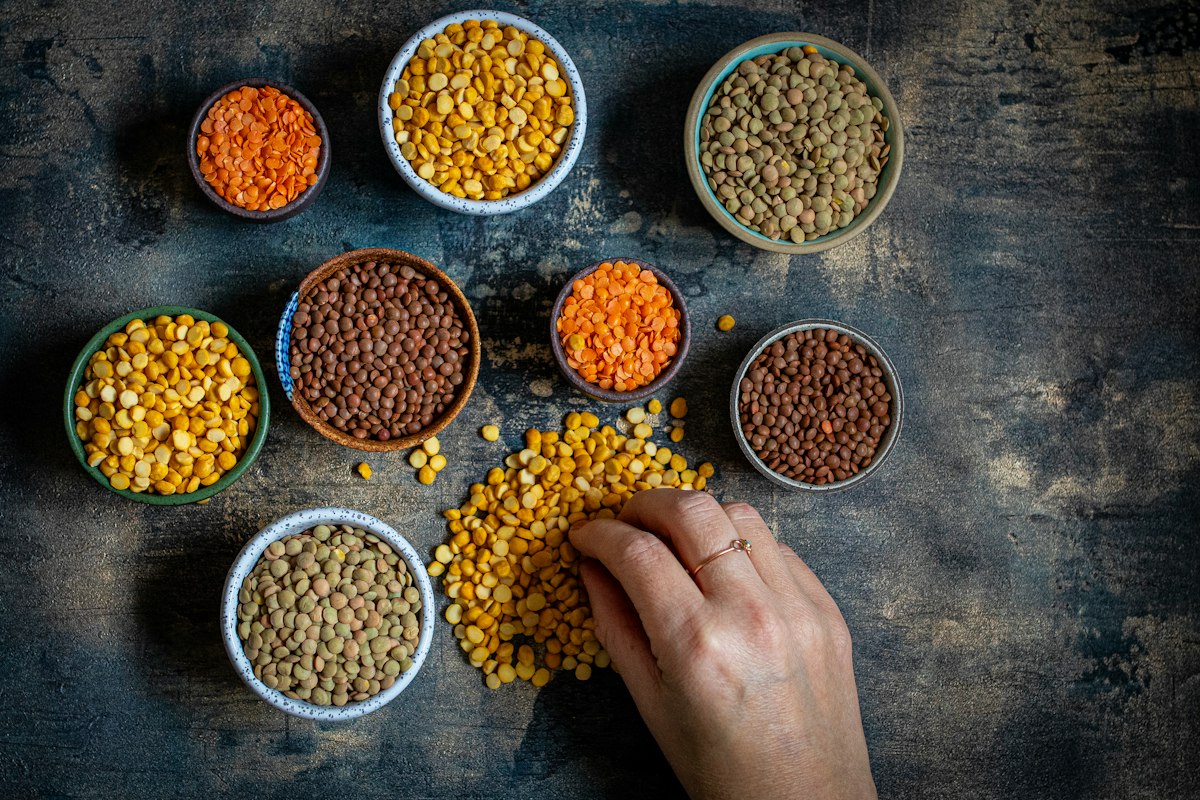
Illustrative photograph: Monika Borys on Unsplash.
Editorial note
Kitchen products and manufacturer instructions vary. When a product manual conflicts with general guidance, follow the instructions for your exact model.