To store uncooked rice, keep it dry, protected from pests, and tightly closed in a cool storage location. Preserve the original product name, date, lot code, and cooking instructions if you transfer it into another container. Give brown rice different attention from white rice because its bran oils shorten its storage life.
This guide covers dry, uncooked rice from an ordinary retail package. Cooked rice, soaked rice, and prepared rice dishes need different handling; a pantry-storage method does not apply after water has been added or the rice has been cooked.
Identify the rice before choosing its place
Read the package to distinguish white, brown, parboiled, instant, wild-rice blends, and seasoned products. A blend may contain ingredients with different storage instructions. Keep the manufacturer’s directions with that specific product.
USA Rice’s storage guide distinguishes milled white rice from whole-grain brown rice. It recommends tightly closed, cool, dry storage for opened rice and notes the shorter life of brown rice because of its bran oil. Riceland’s FAQ likewise recommends refrigerated storage for its brown rice.
Do not turn a long quality life for properly stored white rice into a guarantee that every open bag is safe indefinitely. Water exposure, contamination, infestation, damaged packaging, and product-specific directions still matter.
Step 1: Inspect the package before storing it
Check that the bag or box is intact, dry, and free from visible insect activity. Look along seams and beneath folds. Do not pour a questionable package straight into a full container of sound rice.
If you see insects, webbing, unusual dampness, or evidence of contamination, keep the package separate and resolve the problem before using the rice. Do not rely on rinsing or cooking to rescue an infested pantry product.
Check the storage directions and date while they are easy to read. Take a photograph of the full label, including the lot code and cooking method, if you plan to discard the outer packaging.
Step 2: Choose packaging that suits daily use
An intact retail package can be kept inside a clean, dry, well-sealed food-storage container. Alternatively, decant the rice into a suitable container with a reliable lid. The outer container is useful only if it closes properly and can be cleaned between batches.
Choose a size you can handle safely. A very large container may be awkward to lift or tip when full, while several small containers can become difficult to track. Split bulk rice into manageable, clearly identified portions if that helps your kitchen.
Use food-storage containers rather than jars or tubs previously used for chemicals. Check that the container and lid are completely dry, including any gasket channel, before adding rice. Residual wash water defeats the purpose of dry storage.
Step 3: Label without losing the package information
Write the rice type, brand or product name, original date, and opening date where useful. Keep the lot code and cooking instructions in a photograph, label pocket, or accompanying record. Avoid relying on grain appearance to distinguish similar products.
Do not give every decanted rice a new arbitrary expiration date. The original information and the actual storage history are more useful than a date invented because the container looks fresh.
Keep batches separate where practical. Topping a nearly empty container with new rice mixes storage histories and leaves older grains at the bottom. Empty, clean, and dry the container before starting a new batch.
For a wider labeling system, see how to label pantry containers. The label should help you cook and identify the product, not simply match the rest of the shelf.
Step 4: Pick a genuinely cool, dry location
Choose a cabinet or pantry away from stove heat, steam, splashes, and strong household odors. Do not assume the space beside a dishwasher or above an oven stays cool just because it has a door.
Check the location during ordinary cooking. If steam reaches the shelf or the container feels warm from an appliance, move the rice to a more suitable place. Keep it away from cleaning chemicals and off a damp floor.
Close the lid after every use and use a dry scoop. Do not reach into dry rice with a spoon that has just measured water or touched another ingredient. Keep the storage container out of the sink splash zone while filling a saucepan.
Step 5: Handle brown rice as a separate storage decision
Brown rice retains more of the grain’s outer layers and has a shorter storage life than milled white rice. Follow the brand’s advice and consider the cold storage it recommends rather than assuming the same pantry arrangement suits both.
If using the refrigerator or freezer, select packaging suitable for that location and keep it sealed against moisture and odors. Portioning can reduce repeated opening of a large supply. Preserve the cooking instructions with each portion.
When moving a sealed dry portion from cold storage into a warm room, let it reach room temperature before opening when practical to limit condensation on the dry grains. This is a moisture-control step, not a method of making questionable rice safe.
Plan rotation around what you actually cook
Keep the opened portion easy to reach and unopened reserves behind it. Check the label before buying another bag. If several rice types accumulate, reduce the number open at once rather than buying more containers for forgotten supplies.
Put the rice used for everyday meals near the front, while keeping specialty types identifiable. A simple note such as basmati, brown rice, and risotto rice may be more useful than a complicated inventory with exact gram counts.
Coordinate the arrangement with storing dried beans and lentils while maintaining separate product labels and cooking directions. Similar pantry locations do not mean identical preparation or storage life.
Recognize when to stop and investigate
| What you notice | Sensible response |
|---|---|
| Insects or webbing | Isolate and discard infested food; inspect nearby supplies |
| Water inside the container | Do not continue treating it as ordinary dry storage |
| Unusual odor, especially in brown rice | Stop using it and assess the product and history |
| Missing product identity | Recover reliable information before relying on old assumptions |
| Repeated lid failure | Replace or repair the storage system |
Absence of visible insects or an unusual smell does not prove that a contaminated product is safe. Do not taste suspicious rice to evaluate it. If storage history is uncertain after a spill, leak, or pest problem, seek appropriate food-safety advice or discard the affected food.
The University of Minnesota Extension pantry-pest guide recommends removing contaminated food and cleaning the storage area. A sealed container helps manage storage, but it does not cure an existing infestation.
Keep dry-rice rules separate from cooked-rice rules
Once rice is washed, soaked, or cooked, it is no longer the dry product described here. Do not return wet grains to the pantry container or put cooked rice on the same long storage timeline as uncooked rice.
Use the appropriate cooked-food handling guidance and your recipe’s instructions. If leftovers are involved, consult our separate refrigerated leftovers guide rather than extending a dry-rice quality statement to a prepared dish.
Frequently asked questions
Does rice need to be transferred out of its bag?
Not always. You can protect an intact bag inside a suitable sealed container. Choose the method that keeps it dry, closed, identifiable, and easy to use.
Can brown and white rice share one container?
Keep them separate unless you are deliberately using an identified blend with its own instructions. Their cooking methods and storage needs differ, and mixing batches makes tracking harder.
How long will an opened bag last?
It depends on the rice type, product directions, packaging, and storage history. Follow the original label and relevant manufacturer guidance rather than a universal promise.
Sources and scope
USA Rice and Riceland support the white-versus-brown storage distinction. Minnesota Extension supports the pest response. The container, labeling, and rotation workflow is KitchenVeyra’s practical editorial organization method.
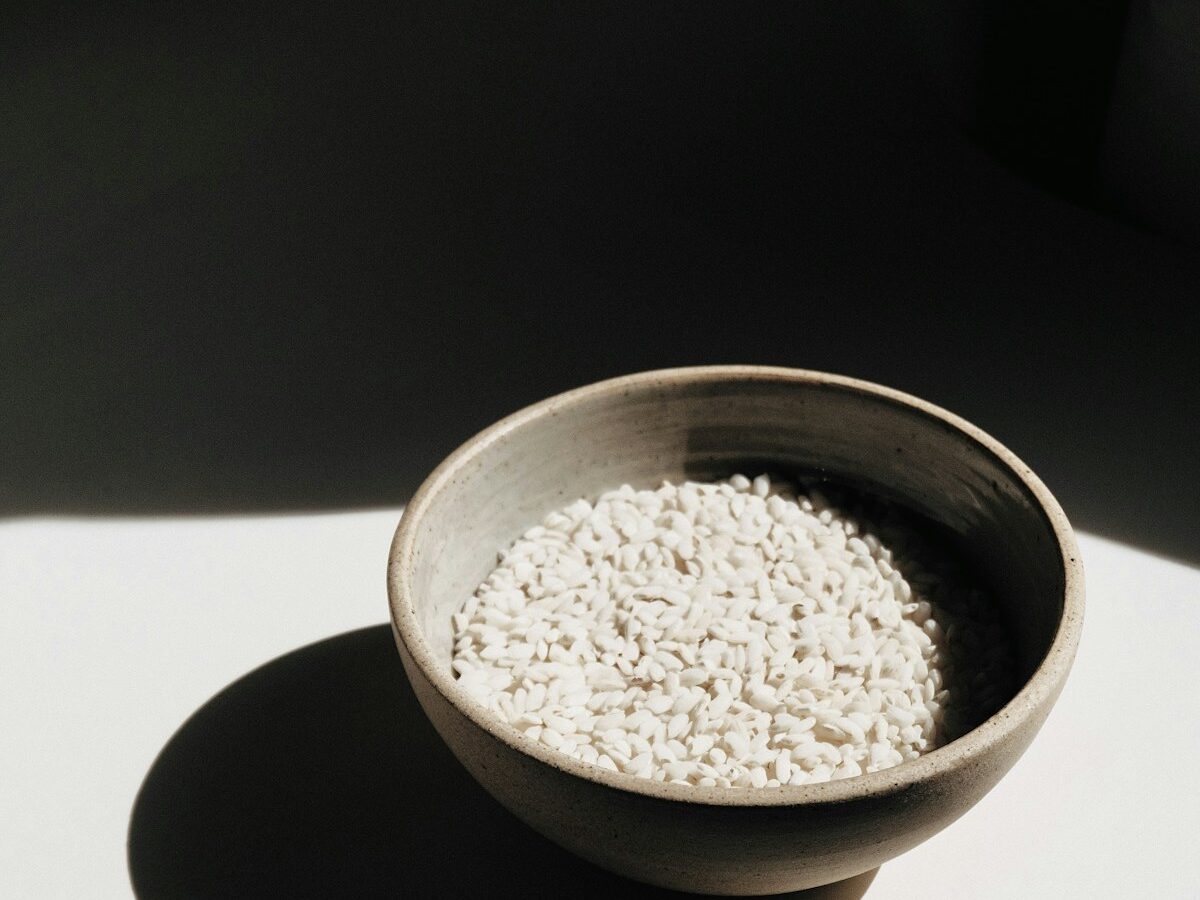
Main image: Photo by Jocelyn Morales on Unsplash. Illustrative image for the topic; it is not a step-by-step demonstration or evidence of product testing.
Editorial note
Kitchen products and manufacturer instructions vary. When a product manual conflicts with general guidance, follow the instructions for your exact model.