To descale an electric kettle, identify your model, choose a manufacturer-approved descaler or vinegar procedure, follow its dilution and heating instructions, then rinse and complete the required fresh-water cycles. Keep the electrical base dry throughout. There is no single vinegar ratio or soaking time that fits every kettle.
A chalky bottom, floating pale flakes or a rough ring around the waterline may point to mineral deposits. Removing them is a maintenance task, but it should not involve scraping the heating plate or soaking the whole appliance. This guide explains how to plan the job, choose the right instructions and check the result.
First decide whether you are dealing with limescale
Look inside a cool, unplugged kettle. Typical scale appears as a pale film, rough patches or flakes on surfaces that contact water. KitchenAid explains that this buildup comes from minerals in water, and that water hardness affects how quickly it accumulates. A deposit can return even after a successful cleaning session because the next fill contains minerals too.
Do not assume that every mark is removable scale. Peeling material, deep pitting, rust-colored damage, cracks, leaks or an electrical smell need a different response. If you cannot identify a mark, take a clear photograph and ask the manufacturer before applying acid or scraping it.
Slow boiling alone does not prove a scale problem. Compare similar amounts of water and similar starting temperatures before drawing conclusions. If a clean kettle still behaves abnormally, consult its troubleshooting guide. Do not bypass automatic shutoff or repeatedly reset an appliance that is not working correctly.
Prepare the counter and supplies
- The kettle’s model number and care instructions.
- A descaler specifically approved for kettles, or the vinegar specified in the model’s instructions.
- A measuring cup with clear volume markings.
- Fresh water for rinsing.
- A soft damp cloth and dry towel.
- A timer if the approved procedure includes a standing period.
Read the descaler label before opening the packet. A product for another appliance is not automatically suitable for a drinking-water kettle. Check the intended appliance, concentration, required contact time, whether heating is allowed and any rinsing instructions.
Clear space near the sink so you can pour without reaching across dishes. Put the unplugged electrical base somewhere dry. Keep the kettle and any cleaning solution away from children and anyone who might mistake it for drinking water. If the treatment must stand, leave a prominent note beside the appliance.
Choose one method before starting
| Available instructions | Best next step |
|---|---|
| Your manual specifies a descaler | Use a compatible product and follow both sets of instructions. |
| Your manual provides a vinegar procedure | Follow that model’s strength, ratio, fill level and timing. |
| A support page covers different models | Check applicability before borrowing its procedure. |
| You cannot find care instructions | Contact support rather than inventing a stronger treatment. |
| The interior is damaged or the kettle leaks | Stop use and seek advice; descaling will not repair it. |
Do not mix methods halfway through. If you have already added one product, finish its removal and rinsing procedure before considering anything else. More ingredients are not evidence of better cleaning, and combining products can create hazards.
Descale the kettle step by step
1. Find the instructions for the actual model
Check the label on the appliance or its packaging and search the manufacturer’s support area. Match the model identifier, not just the color or shape. Save the relevant page so you can check it while working.
Write down four things: the cleaning agent, the total liquid volume, whether the solution is heated, and the standing time. Then note how many fresh-water cycles are required. This short checklist prevents guessing once the kettle contains a cleaning solution.
2. Let it cool, unplug it and empty old water
Wait until the kettle is comfortable to handle. Disconnect the base and empty the kettle using its normal pouring direction. Avoid splashing the connector or controls. Never immerse either the electrical base or kettle body in a sink of water.
Look for loose deposits without putting a sharp tool inside. If the manual allows a simple rinse before descaling, do that. Set aside any removable filter only when the instructions describe how to remove it; a fixed screen should remain in place.
3. Measure the approved solution
Measure in a separate jug when the product instructions permit it, then pour carefully into the kettle. Stay within the appliance’s fill limits and the cleaning procedure’s specified volume. Do not fill to the top simply because there is scale above the normal waterline.
Why the model matters: KitchenAid’s general cleaning article describes one part white vinegar to three parts water, while a separate KitchenAid electric-kettle support procedure specifies different measured volumes. Philips also publishes a procedure for named models using water first and vinegar added after automatic shutoff. These are examples of differing instructions, not interchangeable recipes.
4. Heat or soak only as directed
If the selected instructions call for heating, use the appliance normally and remain nearby. If the descaler label calls for a cold treatment, do not switch the kettle on. Do not boil a product merely because another descaling method involves boiling.
Let the solution stand for the instructed period. Use a timer and keep the appliance clearly marked. Do not increase the concentration or extend the soak to compensate for missed time. If you accidentally used the wrong dilution, consult the product guidance before operating the kettle.
5. Empty the solution and inspect the surface
Let hot liquid cool enough to handle safely and follow the product’s disposal instructions. Pour slowly to avoid splashes. Examine the interior in good light, comparing it with the starting condition rather than expecting every surface to look factory-new.
If the rough deposit has visibly reduced but some remains, check whether the procedure permits repeating it. A second approved treatment is a more controlled choice than introducing a blade, steel wool or an unapproved acid. Stop if you see damage rather than remaining scale.
6. Rinse and complete fresh-water cycles
Follow the specified rinse and boil-and-discard sequence. Use fresh water each time. Do not use the first rinse water for tea, coffee or cooking. For example, the KitchenAid electric-kettle support procedure linked below calls for repeated fresh-water boiling and draining after treatment.
Check that there is no visible cleaning residue. A remaining vinegar odor suggests you should review whether all rinsing steps were completed. Do not taste a cleaning solution to assess its strength or use a pleasant fragrance as proof that a commercial product has been removed.
7. Clean the exterior and reassemble
With the appliance unplugged, wipe the exterior using a lightly damp cloth and dry it. Keep water away from the connector and base. Follow the manual’s instructions for the removable filter, then reseat it correctly.
Make sure the connector area and base are dry before reconnecting. If water entered an electrical area, do not simply switch the appliance on to dry it; seek the manufacturer’s advice. Resume normal use only when the care procedure is complete and the kettle is undamaged.
Vinegar, citric acid or commercial descaler?
Choose according to compatibility, not social-media popularity. A commercial kettle descaler offers a labeled dose and procedure. Vinegar may be convenient when the manufacturer explicitly allows it. Citric-acid products can be an alternative where approved, but the dose still matters.
Philips cautions against vinegar stronger than the specified concentration in its linked instructions and tells users choosing descaler to follow its packaging. Do not substitute concentrated cleaning vinegar for ordinary white vinegar without approval. Different acid strengths make apparently identical spoonfuls or cups different treatments.
Avoid adding baking soda to an acid treatment to create more foam. The bubbling is not a reliable measure of scale removal, and an overflowing mixture is especially unwelcome near electrical components. Keep the process simple and use one approved agent.
Troubleshooting after descaling
Some white flakes remain
Recheck the removable filter and spout area according to the manual. Loose flakes can remain after the main deposit has softened. Rinse as instructed and inspect again before deciding that the treatment failed.
Scale returns quickly
Record the cleaning date and how often the kettle is used. Check the water hardness information from your supplier if available. A fast return of pale deposits can reflect the water rather than poor cleaning. Do not assume a generic drinking-water filter removes hardness; check what its manufacturer claims.
The kettle still switches off early
Stop repeated trial runs and consult model-specific troubleshooting. Note the fill level, whether the lid closes correctly and what the indicator does. Do not hold down the switch or defeat a safety mechanism.
Create a maintenance schedule that fits your water
Inspect the interior periodically and shorten the interval if visible buildup returns. KitchenAid suggests roughly monthly descaling for daily use in its general guide, with more frequent attention possible in hard-water areas. Treat that as a starting point; your own model and water conditions determine the useful interval.
Add a reminder to check rather than automatically dose the kettle. Keep the manual and the compatible product name together so the next session does not begin with another search. When cleaning the rest of the counter, use our separate stainless steel sink guide for the sink itself; its treatments should not be transferred into the kettle.
Frequently asked questions
Can I use vinegar in every electric kettle?
No universal approval applies. Check the model’s manual and warranty instructions. Material, construction and recommended concentration can differ.
Should I scrub the heating plate?
Do not use a blade, steel wool or an abrasive pad. Follow the approved descaling process, and ask support about deposits that do not respond.
Can descaling repair a leaking kettle?
No. A leak, damaged connector or cracked body needs assessment. Stop use rather than performing repeated cleaning cycles.
Can I drink the water immediately afterward?
Only after completing the manufacturer’s rinse and fresh-water cycle instructions. Discard cleaning and rinse water as directed.
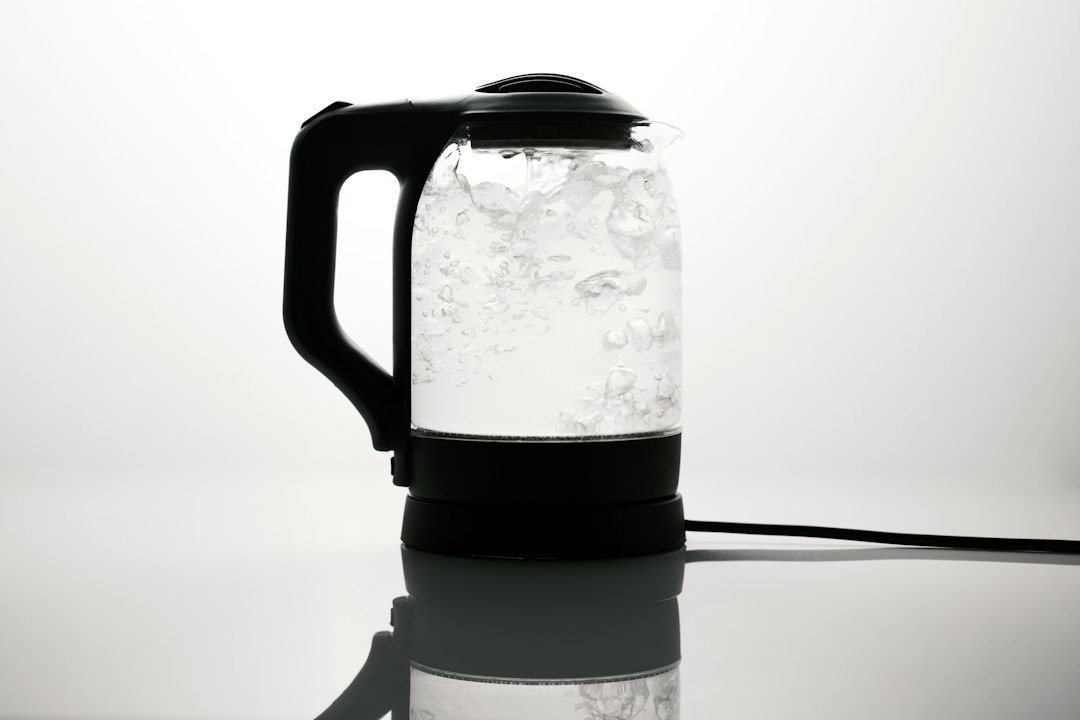
Photo by engin akyurt on Unsplash. Illustrative photograph.
Sources
- KitchenAid: electric kettle cleaning overview.
- KitchenAid Product Help: electric kettle descaling.
- Philips: scale removal instructions and model applicability.
Editorial note
Kitchen products and manufacturer instructions vary. When a product manual conflicts with general guidance, follow the instructions for your exact model.