Store baking sheets in a stable vertical divider or a shallow stack that you can lift comfortably. Measure the cabinet opening and the complete pans, including rims and handles. Put bakeware away clean and dry, protect delicate coatings, and keep the trays you use most within easy reach.
Sort by shape, frequency and condition
Take the bakeware out in small groups and place it on a stable surface. Separate flat baking sheets, deep roasting trays, muffin pans, cooling racks and unusually shaped tins. Keep glass or ceramic dishes in a group suited to their weight and fragility rather than treating every rectangular item as a metal tray.
Identify the pieces you use weekly and those reserved for occasional baking. A large holiday roasting tray should not block the small sheet you reach for each evening. Count duplicates and check whether they serve a real purpose, such as baking two batches at once.
Inspect the rims, handles and coatings before choosing a layout. A pan with a damaged coating or a severely distorted base needs care or replacement advice. Do not build a storage system around keeping every damaged item simply because it once belonged to a matching set.
Measure the pans and the cabinet opening
Measure each pan’s overall length, width and depth, including rolled rims, handles and projecting edges. A nominal pan size often describes its cooking area rather than its full outside dimensions. Use the actual item when testing a cabinet, not just the size printed on a recipe.
Measure the usable cabinet opening, interior depth and shelf height. Include hinges, shelf supports and the door swing. A pan may fit inside the cabinet but be difficult to turn through the opening. Check the movement with an empty space before buying a divider.
For vertical storage, confirm there is room above the pan to lift it clear of a slot. For a horizontal stack, allow hand space at the front. Record the measurements and decide which orientation feels stable before choosing an organizer’s width or number of compartments.
Choose vertical storage for flat pieces
A properly sized divider can make baking sheets easier to remove individually. Choose a stable product intended for the weight and dimensions of your bakeware, and follow its mounting or placement instructions. A lightweight office file holder is not automatically suitable for heavy kitchen pans.
Place similar flat pieces in separate slots when possible. Leave enough space that a rim does not catch on the next pan. Keep the tallest or widest items where they do not block access to smaller trays behind them. Check that a cooling rack cannot slide through an overly wide divider gap.
Try pulling each piece out with one hand supporting its weight. If the organizer tips, slides or forces the neighboring pans to lean heavily, revise the arrangement. Avoid storing heavy glass bakeware vertically unless both its shape and a suitable rated system support that use.
Use shallow stacks when vertical storage will not fit
Horizontal storage can work well if the stack is short and easy to handle. Group pans with compatible shapes, and avoid burying a frequently used tray under several heavy roasting pans. A second shallow group is often more practical than one tall pile.
Follow the cookware maker’s advice about protecting coatings. A clean, dry, suitable pan protector may help separate delicate surfaces, but it should not trap moisture or shed material onto food-contact areas. Avoid sliding a rough metal cooling rack directly across a nonstick coating.
Keep handles and rims from interlocking tightly. If you must lift a large stack to remove the bottom piece, the arrangement is too demanding for everyday use. Put the most-used pan on top or move it to another location with easier access.
Give muffin pans and cooling racks their own places
Muffin pans occupy more depth than flat sheets, and their cups can catch on a divider or neighboring rim. Test the fit with the full pan rather than assuming a slot that holds a baking sheet will hold a muffin tin. Leave space to grip the edge without pulling on the cups.
Cooling racks can fit beside matching sheets if the divider supports them securely. Keep small racks from slipping behind the cabinet contents. If a rack has folding legs, close them according to its design and check that they do not hook onto another piece during retrieval.
Store silicone mats in the form their manufacturer recommends. Some should remain flat; others have an approved rolling arrangement. Do not fold a mat sharply just to fit it between pans. Keep parchment and other consumables nearby only if they remain identifiable and do not obstruct access.
Put bakeware away only after it has cooled and dried
Let pans cool in a safe place before cleaning or storage. Follow their material-specific wash instructions. USA Pan’s care guidance, for example, emphasizes drying uncoated bakeware thoroughly before storage. The underside and rolled edges deserve attention as well as the cooking surface.
Do not slide a damp sheet into a tight stack and assume the exposed top will dry the entire group. Water can remain between nested pans or underneath a protector. Allow parts to drain and dry separately before rebuilding the stack.
Keep the storage area clean and dry too. Remove crumbs from the shelf and inspect for leaks or persistent condensation. If the cabinet sits next to a dishwasher or sink, find the cause of recurring moisture rather than solving the symptom with more liners.
Test the layout during a real baking session
Choose a meal or baking job you make often. Retrieve the pan, use the cooling rack and return everything after washing. Notice whether the shelf height, divider position or neighboring items make the process awkward. Adjust the arrangement based on that movement.
A simple label can help a shared kitchen: everyday sheets, muffin pans and cooling racks are usually enough. Avoid a system requiring every pan to be returned in one exact sequence. Someone should be able to identify an empty slot without unpacking the cabinet.
Review the setup when you buy another pan. Compare its full measurements with both the oven and storage space. Buying bakeware that fits the oven but cannot be stored comfortably creates a new problem. A short inventory can prevent another duplicate tray from entering an already crowded cabinet.
Frequently asked questions
Is vertical storage always best?
No. It works when the cabinet and a stable divider support the pans and leave retrieval space. A short horizontal stack can be better in a shallow or low cabinet.
Can cooling racks sit between nonstick sheets?
Avoid direct abrasive contact. Follow the pan maker’s protection guidance and keep racks from scraping coatings.
Should I keep pans in the oven?
A cabinet is usually easier to manage. If you use the oven as storage, remove everything before operation and make the habit obvious to everyone in the household.
Can I store a slightly wet pan?
Dry it first, including rims and the underside. Tight stacks and protective layers can trap moisture.
Related KitchenVeyra guides
Sources and further reading
The manufacturer references below apply to the products or models they describe. The organization examples and checklists in this guide are practical suggestions.
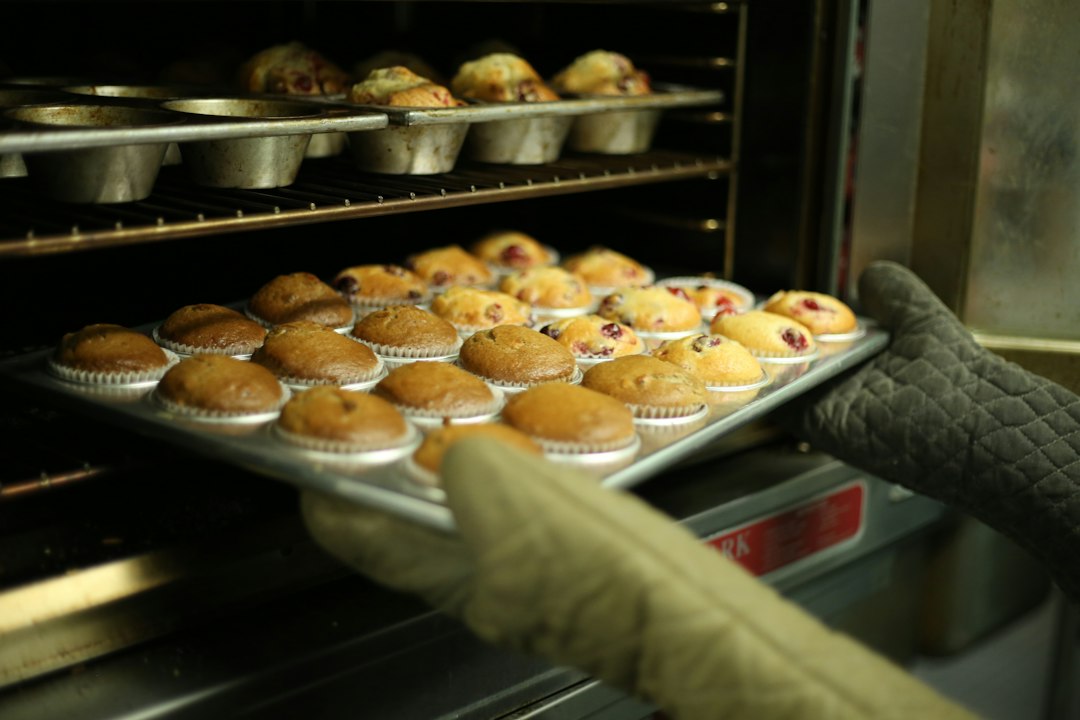
Illustrative photograph: Taylor Grote on Unsplash.
Editorial note
Kitchen products and manufacturer instructions vary. When a product manual conflicts with general guidance, follow the instructions for your exact model.