Store plain honey in a tightly closed food container at ordinary room temperature, away from excess heat and direct sunlight. Use clean, dry utensils and keep water out. Crystallization is a natural texture change, but plain-honey storage advice does not automatically apply to homemade infusions or diluted honey.
Confirm that the jar contains plain honey
Read the label before choosing a storage routine. Plain honey, a honey-based syrup, creamed honey and a product containing added fruit or other ingredients may have different directions. Follow any instruction to refrigerate after opening rather than assuming the word honey makes every mixture shelf-stable.
Keep the product name, lot information and best-before guidance. If you transfer plain honey to another container, preserve those details. Avoid combining jars with different ingredients or an uncertain history merely to save shelf space.
Homemade honey with fresh garlic, herbs, fruit or added water is a separate food-safety question. Oregon State University explains that adding moisture or moist ingredients can change the conditions that keep plain honey stable. Use a tested product-specific procedure instead of applying the pantry routine for an unopened commercial jar of plain honey.
Choose a sealed container and a steady cupboard
The original jar is often the simplest choice when its lid closes well. Check that the rim is intact and the threads are clean. If transferring honey, use a clean, dry food container with a suitable tight-fitting lid rather than a decorative vessel that cannot close securely.
Choose a cupboard away from a hot cooker, direct sunlight and strong odors. Sioux Honey recommends a sealed container at room temperature and notes that excessive heat affects color and flavor. A shelf above a frequently used oven is therefore a less useful everyday location than a stable interior cupboard.
Store the jar upright and leave enough space to lift it without striking another container. A small tray can catch exterior drips, but it should be easy to wash and dry. Do not let a sticky storage tray become a permanent layer underneath the jar.
Keep water and used utensils out
Use a clean, dry spoon or dipper to take out a portion. If the utensil has touched tea, yogurt, batter or your mouth, do not return it to the main jar. Pouring or spooning the required amount into a separate dish can make a shared breakfast table easier to manage.
Close the jar after use. Honey can take up moisture from its surroundings, so leaving it open is not a useful way to maintain texture. Keep the jar away from steam while cooking and avoid rinsing a lid and immediately refitting it while wet.
Do not add water to the stored supply to make it easier to pour. Dilution changes the product and its storage conditions. If you need a honey syrup for a recipe or drink, prepare a separate amount and follow suitable directions for that mixture rather than altering the whole pantry jar.
Understand crystallization before trying to reverse it
Honey can become grainy, cloudy or firm as sugars form crystals. Different honeys crystallize at different rates, and texture changes are not a reliable test of whether honey is pure or adulterated. Do not judge authenticity from crystallization alone.
A uniformly crystallized plain honey with a known sound storage history may still be usable as a spread or in a suitable recipe. Consider the product instructions and its overall condition. Crystals are different from visible mold, an abnormal fermented odor, persistent foaming or evidence that water or other food entered the jar.
Avoid assuming every change is harmless simply because crystallization is natural. If a jar has a damaged closure, an unknown mixture or an unusual smell, assess that issue separately. Do not taste a suspect supply as a safety test, and ask the producer when the product’s condition is unclear.
Soften a portion gently if the product permits
If you prefer liquid honey, follow the producer’s warming instructions. A gentle warm-water approach can be suitable for a compatible sealed container, but do not put an unsuitable plastic bottle or cold glass jar straight into boiling water. Keep water out of the honey throughout the process.
Warm only what you need when practical, rather than repeatedly heating the entire supply. Avoid excessive heat that can alter flavor and color. Do not microwave a container unless both the container and the producer’s instructions allow the method; lids, metal parts and uneven heating introduce additional concerns.
Let the exterior dry before returning the jar to storage, and check the lid is secure. A warming method is for changing texture, not for rescuing honey affected by contamination or making a homemade infusion safe. Those problems require a different decision.
Treat refrigeration as a product-specific choice
For ordinary plain honey, room-temperature storage is usually convenient for dispensing. Sioux Honey notes that refrigeration promotes granulation, making the honey thicker or more solid. Putting every jar in the refrigerator is therefore not necessary simply because it has been opened.
However, a honey mixture or flavored product may carry its own refrigeration instruction. Follow that label. Do not ignore it because another brand of plain honey stays in your pantry. The ingredients and production method matter more than the appearance of the jar.
If you keep honey in cold storage for a particular reason, handle the container and dispensing method appropriately. Let a suitable portion soften as directed, and keep the reserve protected from water. Choose the storage routine around the actual product rather than trying to force all jars into one household rule.
Preserve the label and keep honey away from infants
Keep the jar identifiable for everyone in the household. Write an opening date if it helps with rotation and retain the original best-before guidance for quality. Avoid combining an older unknown jar with a new one, since that makes its history harder to assess.
Do not feed honey to infants under 12 months. USDA’s guidance relays the FDA recommendation because honey can contain spores associated with infant botulism. The warning applies even when the honey looks normal and has been stored correctly; ordinary warming does not remove that concern.
Make the warning visible if baby-feeding supplies share the cupboard. Store plain honey with adult household foods, and keep any homemade mixtures clearly separated. A simple, readable label is more useful than a decorative jar that conceals the product type and safety information.
Frequently asked questions
Does crystallized honey mean it has gone bad?
Crystallization is a natural texture change. Assess it separately from contamination, abnormal odors, mold or an uncertain storage history.
Should opened honey go in the refrigerator?
For plain honey, room-temperature storage in a sealed container is commonly recommended. Follow any different instructions for a flavored, diluted or mixed product.
Can I add water to the jar to thin it?
Do not dilute the main storage supply. Added water changes storage conditions. Prepare a separate recipe amount and follow appropriate instructions for that mixture.
Can a baby eat warmed or pasteurized honey?
Honey should not be given to infants under 12 months. Normal warming or pasteurization does not make it suitable for infant feeding.
Related KitchenVeyra guides
Sources and further reading
The manufacturer references below apply to the products or models they describe. The organization examples and checklists in this guide are practical suggestions.
- Sioux Honey: honey storage and texture FAQs
- Oregon State University: infusing honey safely
- USDA: honey and infants
- Ontario Beekeepers: crystallized honey
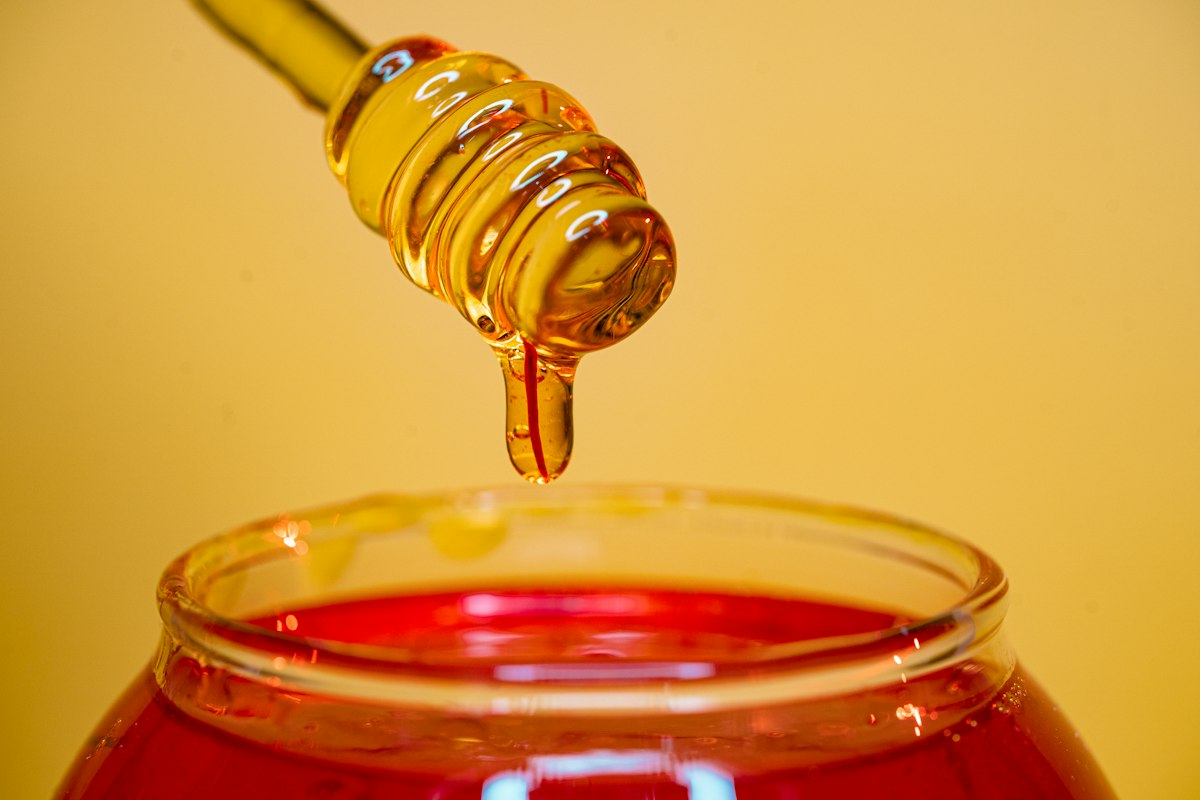
Illustrative photograph: Benyamin Bohlouli on Unsplash.
Editorial note
Kitchen products and manufacturer instructions vary. When a product manual conflicts with general guidance, follow the instructions for your exact model.