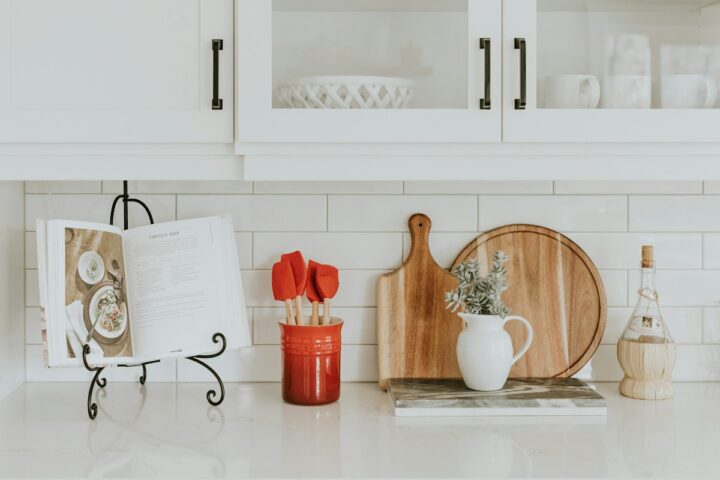
To hand wash dishes, remove food scraps, wash with hand dishwashing detergent and suitable water, rinse with clean water, and let the dishes dry in a clean area. Keep sharp tools visible, replace dirty wash water, and follow separate care instructions for wood, cast iron and delicate finishes.
Prepare a clean path from dirty to dry
Clear enough space to separate unwashed dishes from clean ones. Empty the drying rack and check its tray for standing water or residue. A pile of plates on both sides of the sink makes it easy to place a washed cup back onto a dirty surface, especially when several people are helping.
Clean the sink or dishpan before filling it. Choose a hand dishwashing product, not automatic dishwasher detergent, and follow its label for use. Use water that suits the items and is comfortable to work with; extremely hot water creates a scald risk and does not replace a proper cleaning process.
Set out a clean brush or sponge and a stable drying rack. Keep towels intended for drying dishes separate from those used for hands, counters or floor spills. If you use gloves, make sure you can grip slippery glassware securely rather than relying on a loose or damaged pair.
Scrape food and separate special-care items
Scrape food into the appropriate waste container before washing. Remove excess grease without pouring it into the drain. This reduces the amount of food and oil circulating through the wash water. You do not need to make every plate spotless under a running tap before the washing stage.
Set aside sharp knives, graters and scissors so they cannot disappear below the water. Wash these individually with the appropriate technique. Also separate electrical appliances, wood, seasoned cast iron, delicate decorations and any hand-wash-only finishes that have specific manufacturer instructions.
For ordinary soak-safe dishes with dried food, a short soak in soapy water may reduce scrubbing. Do not assume every pan or utensil can soak for the same period. Wooden handles, glued components, exposed metal seams and seasoned surfaces can require a different approach. Read the care guidance before leaving them submerged.
Choose a basin wash or a direct application method
The American Cleaning Institute describes both diluted detergent in a sink or dishpan and detergent applied directly to the cleaning tool or dish. Choose the method that suits the number of dishes, the product label and your sink space. Either way, cleaning requires attention to the whole surface, followed by rinsing.
For a basin wash, avoid overfilling the sink. Leave room to move dishes without splashing and replace the water when it becomes greasy, cool or visibly dirty. Add detergent according to its directions rather than using foam height as a precise measure of cleaning power.
For a small direct wash, work on one item or a small group at a time. Turn the tap off while scrubbing when practical, then rinse thoroughly. A dishpan can help in a single-bowl sink, but leave space for a safe rinse area and avoid stacking fragile items precariously along its rim.
Wash from lighter soil to heavier grease
Start with lightly soiled glasses and cups, then move through utensils and plates before heavily greasy cookware. Treat this as a flexible workflow rather than a rule that overrides an item’s care instructions. The useful principle is to avoid spreading a pan’s oil across a group of nearly clean drinking glasses.
Wash inside and outside each item, including handles, rims and the underside. Turn cups so you can inspect the bottom and the area near the handle. Separate nested spoons and bowls; water touching the outer surface of a stack does not clean the surfaces pressed together.
Use a non-scratching tool appropriate for the finish. If a spot does not lift, pause and use a permitted soak or the cookware maker’s method. Harder scrubbing is not always the right next step. Abrasive pads can damage nonstick coatings, polished metal, plastic and decorated dinnerware.
Rinse with clean water and inspect the result
Rinse each item so detergent and loosened food are carried away, including cup interiors and the spaces between fork tines. If using a separate rinse basin, refresh it before it becomes dirty. Do not confuse dipping a dish into greasy wash water with the clean-water rinsing stage.
Hold slippery items over the sink rather than above a hard counter edge. Inspect them in good light. A greasy feel or visible food means the item needs another wash, not just a longer rinse. If every item feels greasy, change the wash water and inspect the brush or sponge as well.
Avoid stacking freshly rinsed items tightly while they wait to dry. Leave enough space for drainage. For large bowls or pans, arrange them securely and make sure their weight cannot tip the rack. Wash and dry awkward pieces separately if they cannot sit safely with the normal load.
Dry dishes without reintroducing moisture and soil
Air-dry dishes on a clean rack with room for water to drain. Position cups and bowls so water can escape, while avoiding arrangements that trap a pool inside a rim. Empty the drain tray if it collects water and keep the counter beneath it dry.
If you towel-dry, use a clean towel reserved for that job. Replace it when it becomes wet or dirty. A towel that has wiped raw-food splashes or the sink is not suitable for finishing clean dishes. Clean hands matter too when you are touching the rims of cups and the eating ends of utensils.
Put items away when they are dry enough for their storage arrangement. Do not close a damp stack of containers with lids or return wet wooden utensils to a crowded drawer. For fabric care, use the washing instructions for the towel and keep the dish-drying supply separate from cleaning cloths.
Troubleshoot film, odors and a small sink
If a glass dries with marks, consider whether the issue is food, detergent left after rinsing, or minerals from the water. Wash and rinse again before trying a finish-specific treatment. A permanent scratch or etched surface will not disappear simply because you add more detergent.
For persistent odors, inspect the cleaning tools and drying rack as well as the dishes. A dirty sponge, a wet cloth left bunched up or residue under a rack can make an otherwise sensible routine unpleasant. Clean or replace tools according to their condition and instructions; do not rely on fragrance to hide the problem.
In a small sink, wash in batches: cups first, then plates, then cookware. Keep a protected place for sharp tools and avoid balancing them across the sink. Finish by cleaning the sink and draining the rack tray. A short reset makes the next load easier than leaving a basin of cloudy water overnight.
Frequently asked questions
Does hand washing sanitize dishes?
Ordinary washing removes food and soil, but it is not automatically a validated sanitizing procedure. When sanitizing is required, follow appropriate public-health and product-label instructions for the material.
Should I rinse off dish soap?
Yes. Rinse with clean water so detergent and loosened food are removed, including from cup interiors and handles.
Can I use dishwasher detergent in the sink?
Use a product labeled for hand dishwashing. Automatic dishwasher detergents are formulated for a different process and are not interchangeable with hand dish liquid.
Why are dishes still greasy?
Check the wash water, detergent use and cleaning tool. Replace greasy water, wash all surfaces and rinse with clean water rather than repeatedly rinsing the same unwashed film.
Related KitchenVeyra guides
Sources and further reading
The manufacturer references below apply to the products or models they describe. The organization examples and checklists in this guide are practical suggestions.
Illustrative photograph: Erik Mclean on Unsplash.
Editorial note
Kitchen products and manufacturer instructions vary. When a product manual conflicts with general guidance, follow the instructions for your exact model.