Cookware & Tools
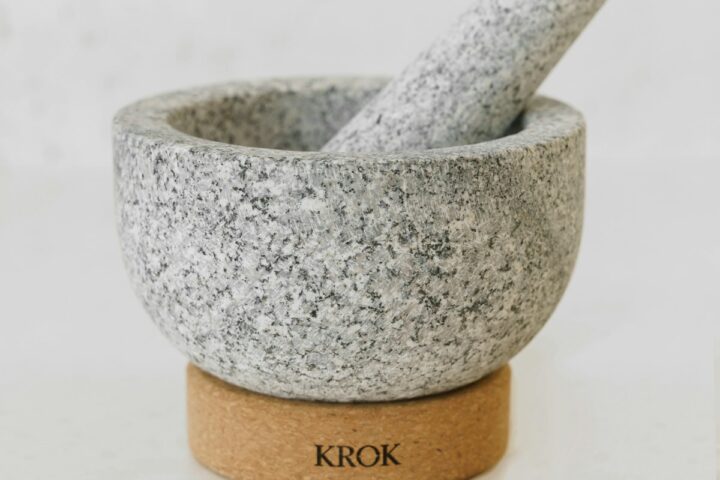
How to Clean a Mortar and Pestle: Check the Material First
Find the right cleaning method for a mortar and pestle. Compare manufacturer care examples, inspect the surface, rinse, dry and store safely.
Read article →
Find the right cleaning method for a mortar and pestle. Compare manufacturer care examples, inspect the surface, rinse, dry and store safely.
Read article →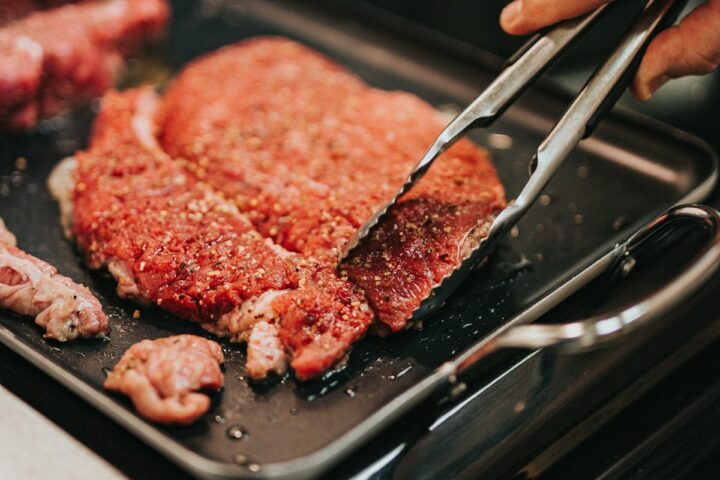
Wash kitchen tongs from gripping tips to hinge and locking tab. Check material care, prevent raw-food cross-contamination, and dry before storing.
Read article →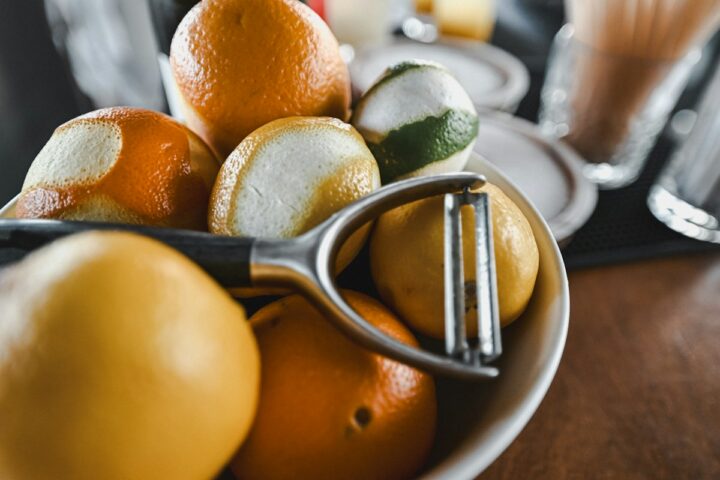
Clean a vegetable peeler with a soft brush, clear the blade opening, wash the handle, and store it dry. Includes safe handling and care checks.
Read article →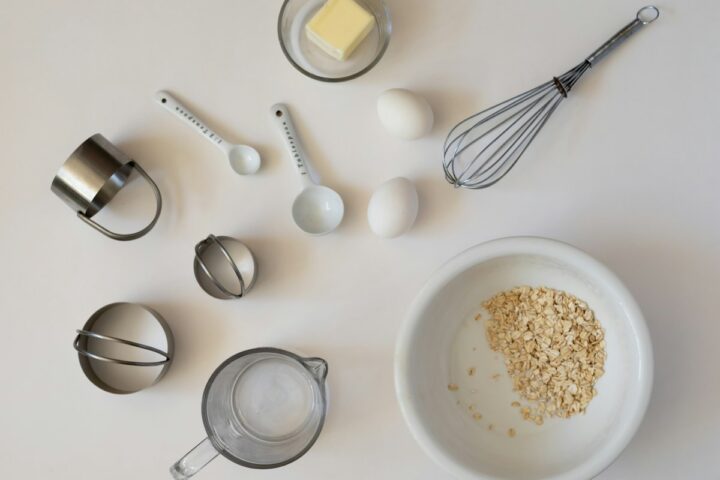
Wash measuring spoons, clean sticky residue and handle joints, protect readable measurements, and dry each piece before reconnecting the set.
Read article →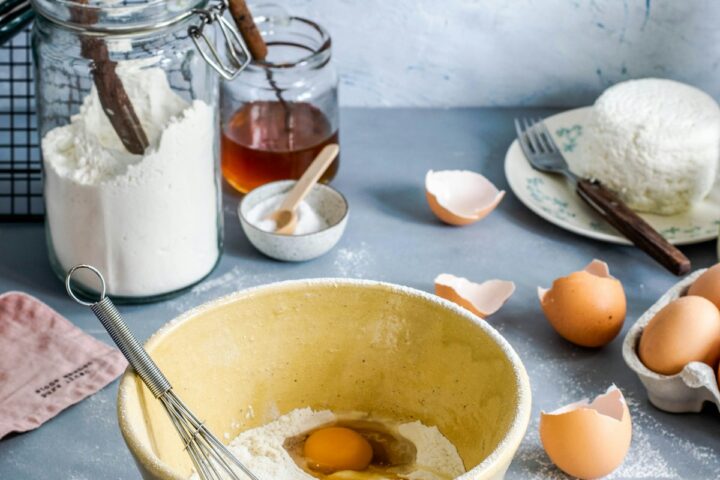
Learn how to wash a whisk, loosen dried batter, clean wire junctions, and dry the handle. Includes silicone whisk and dishwasher considerations.
Read article →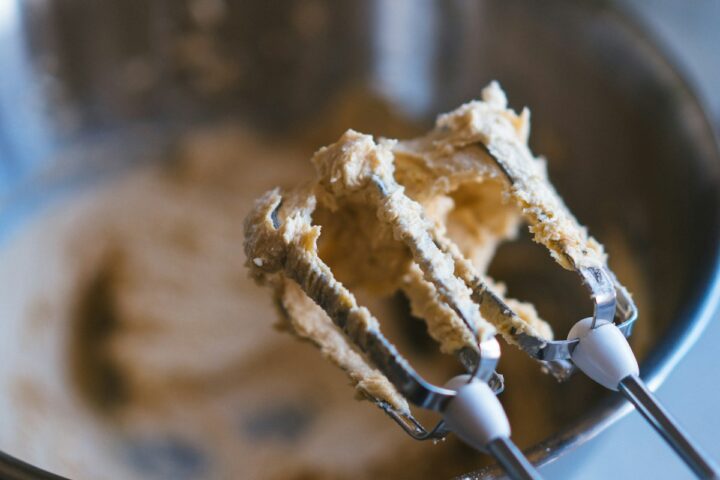
Clean mixing bowls by material, remove batter and grease, check rims and bases, and dry them properly before nesting. Includes common problems.
Read article →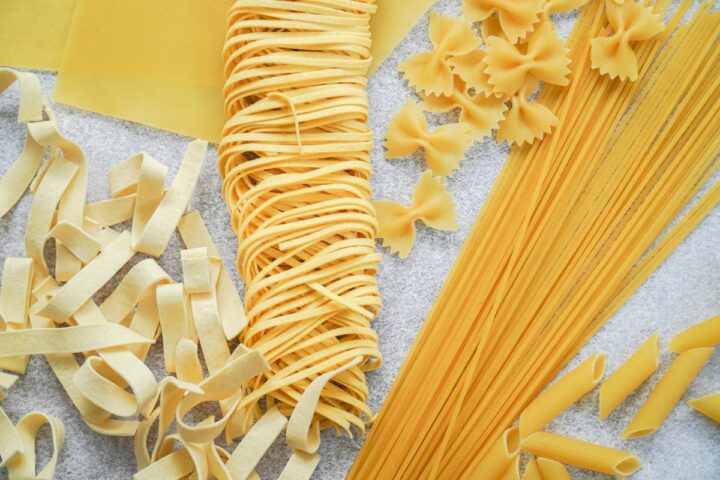
Store opened dry pasta in a cool, dry pantry with secure packaging. Keep shapes, cooking times, allergens and batches clear while checking for moisture or pests.
Read article →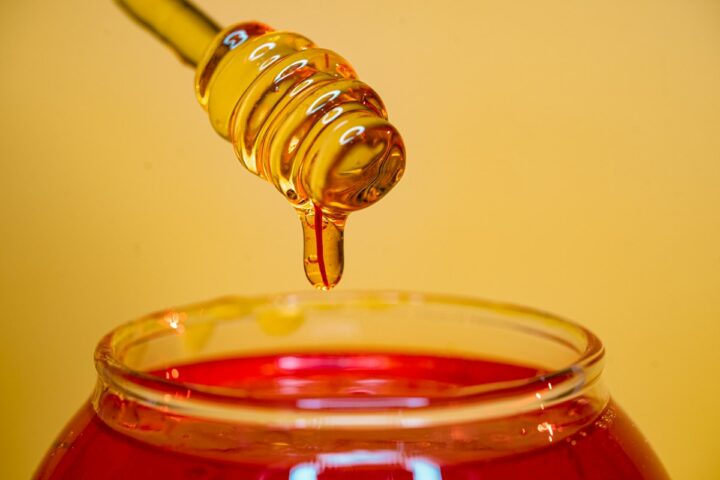
Store plain honey in a sealed container, keep water out and understand crystallization. Learn why infused honey and infant feeding require separate precautions.
Read article →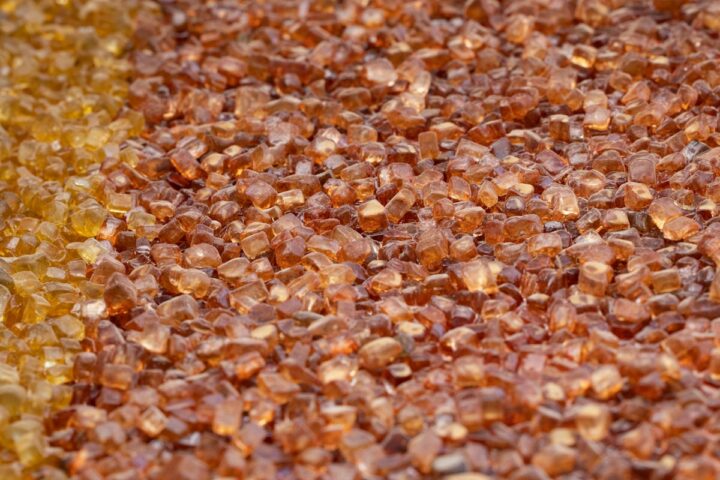
Store white, brown and raw cane sugar with the right moisture approach. Choose containers, preserve labels and understand why different sugars form hard clumps.
Read article →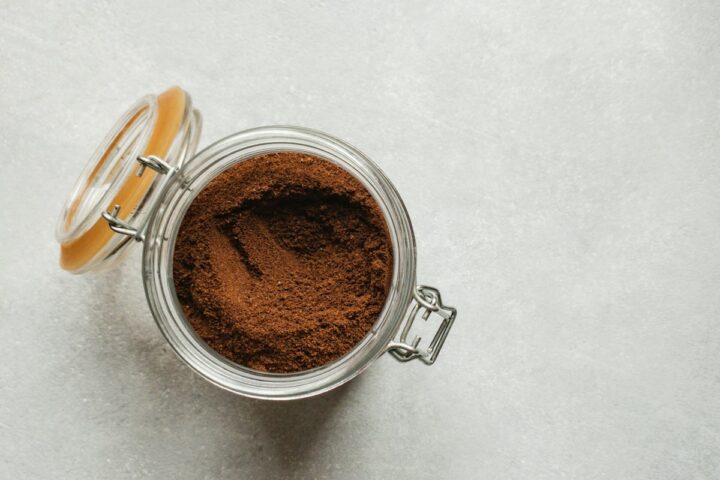
Store opened cocoa powder in a dry, sealed container away from heat and odors. Keep natural and Dutch-process labels, check clumps and prevent wet-scoop contamination.
Read article →