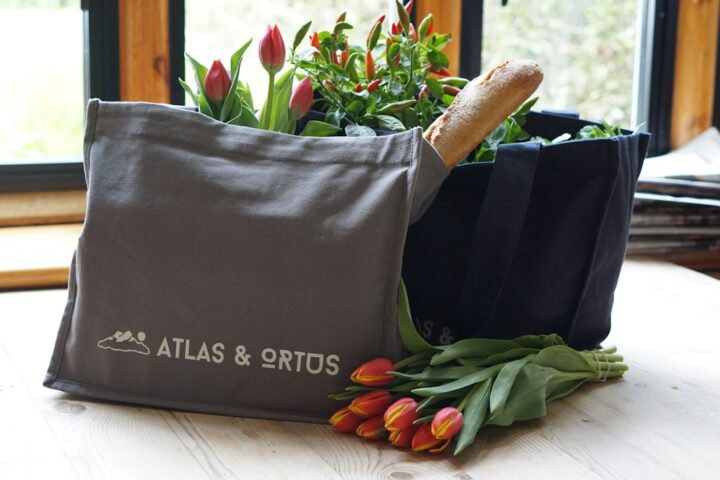
Organize reusable shopping bags into clean, wash-needed and dedicated-use groups. Set a practical folding, storage and return routine without trapping damp bags.
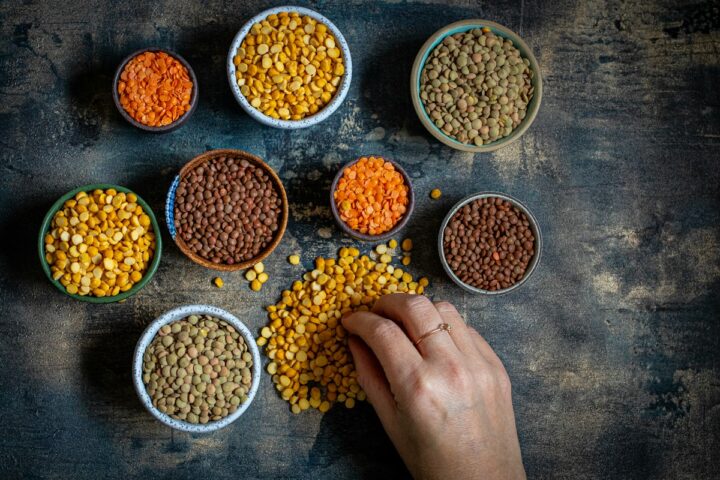
Store dried beans and lentils in dry, labeled food containers. Keep varieties and batches separate, spot pantry problems and distinguish dry from cooked storage.
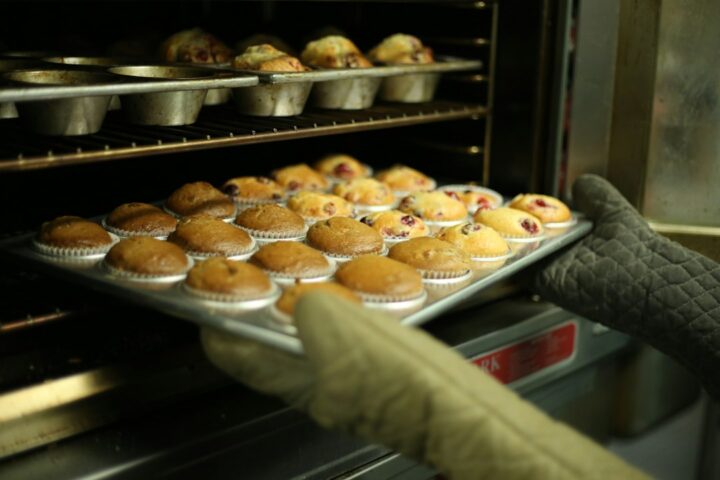
Store baking sheets and muffin pans with a measured vertical or shallow-stack layout. Protect coatings, manage cooling racks and keep everyday trays accessible.
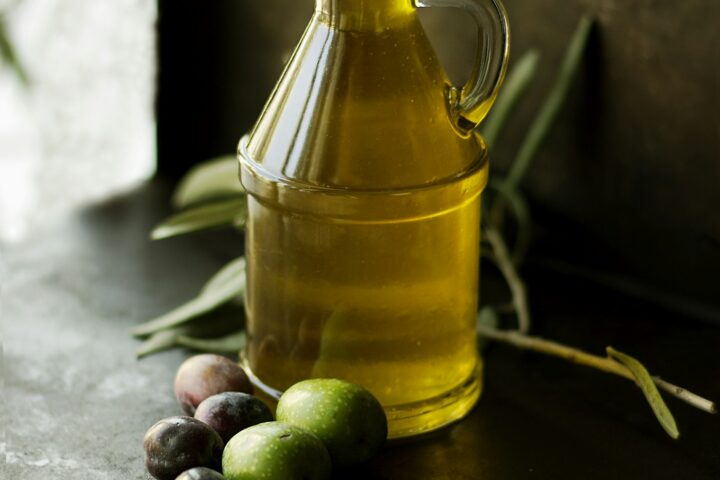
Store olive oil away from heat, light and air, choose a practical bottle size, track opening dates, and keep everyday pouring containers clean and dry.
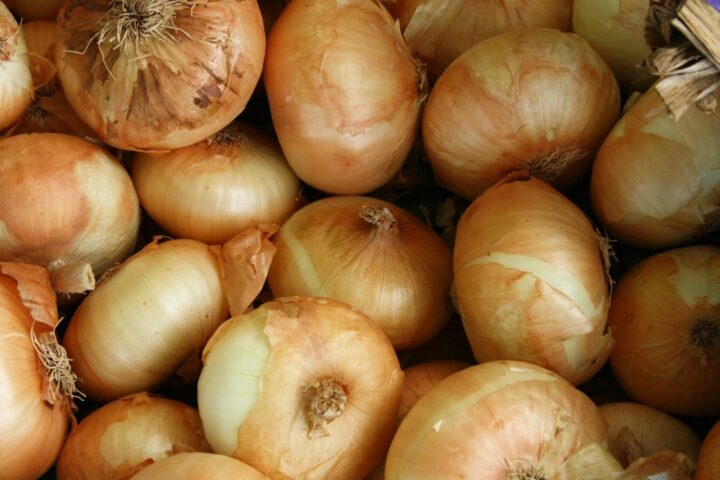
Store whole onions in a dry, ventilated place, refrigerate peeled and cut onions, and build a simple rotation system that keeps each batch easy to identify.
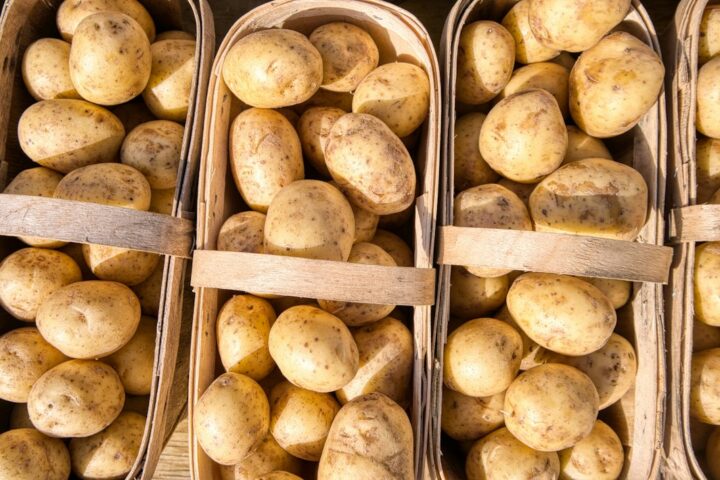
Store potatoes in a cool, dark, ventilated place, keep batches easy to inspect, and recognize when greening, sprouts or spoilage need a different decision.
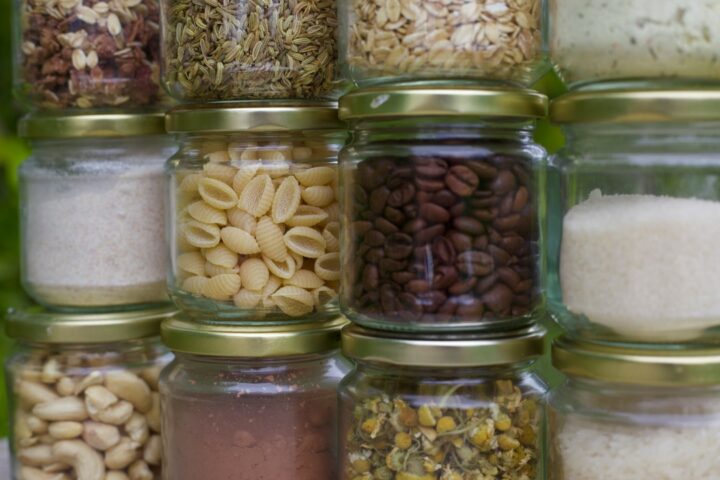
Create useful pantry labels for decanted dry foods while keeping ingredients, allergen statements, storage instructions and original package details accessible.